Mega Game Mega Mixes

July 13th, 2018

Shinji Hosoe
Running UP! (Arrange Version)
Running UP! (Megamix Version)

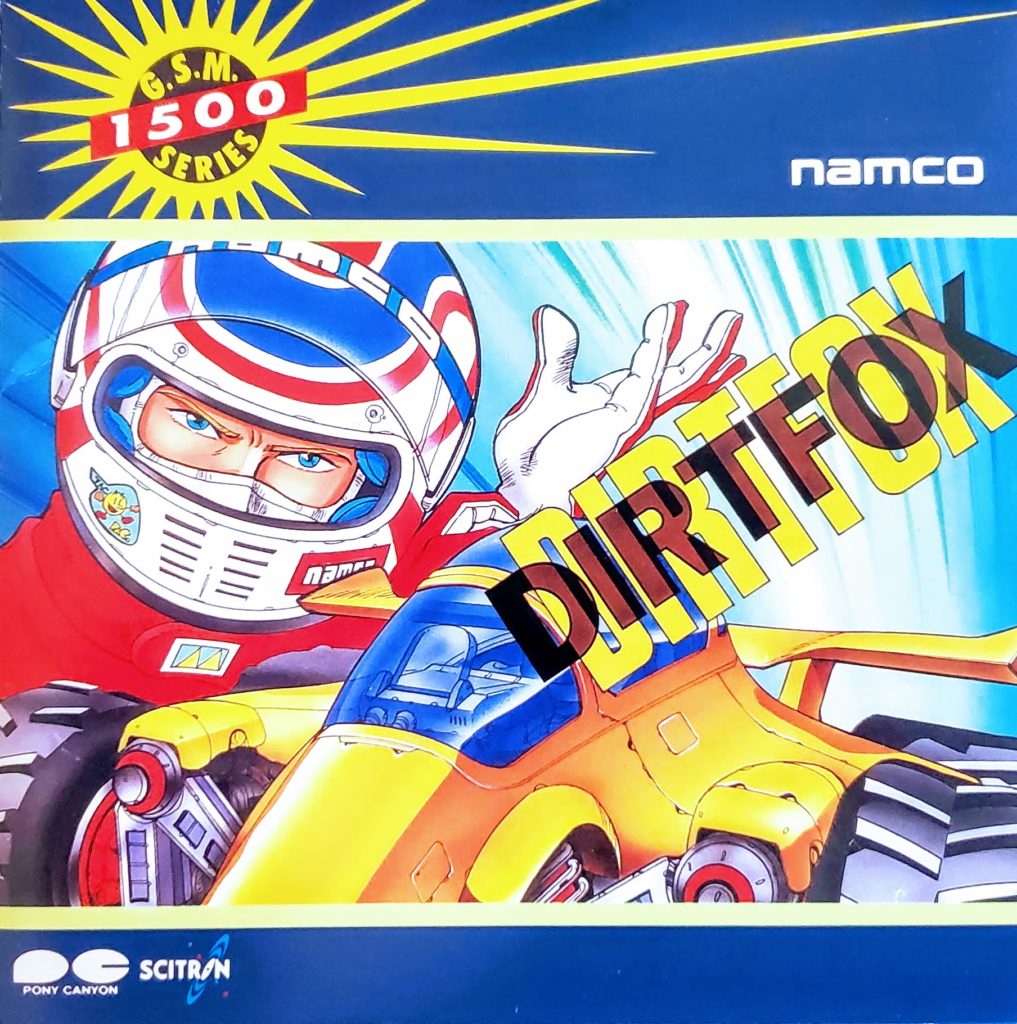
These are remixes of the theme to Dirtfox. I have never played Dirtfox. I don’t know what Dirtfox is. (It’s apparently an arcade overhead racer.) I only know that the soundtrack I found at Book-Off was just 300 yen so I thought “hey why not?”

I’m glad I picked it up, it’s a fun, bouncy soundtrack with a good, upbeat theme. Although the theme is pretty much all the soundtrack is. It opens with the “Arrange Version” of the main theme, continues with the two versions of the theme actually hear while playing the game, and then concludes with the “Megamix Version.” Aside from that, there are just three other tracks, none of which top a minute in length.

Shinji Hosoe went on to do the music for Ridge Racer by the way, so I guess racing game music is in his blood.
 

Darrell Harvey, Rex Baca & Kip Martin
Dungeon Master (Mega Mix)
Chaos Strikes Back (Mega Mix)

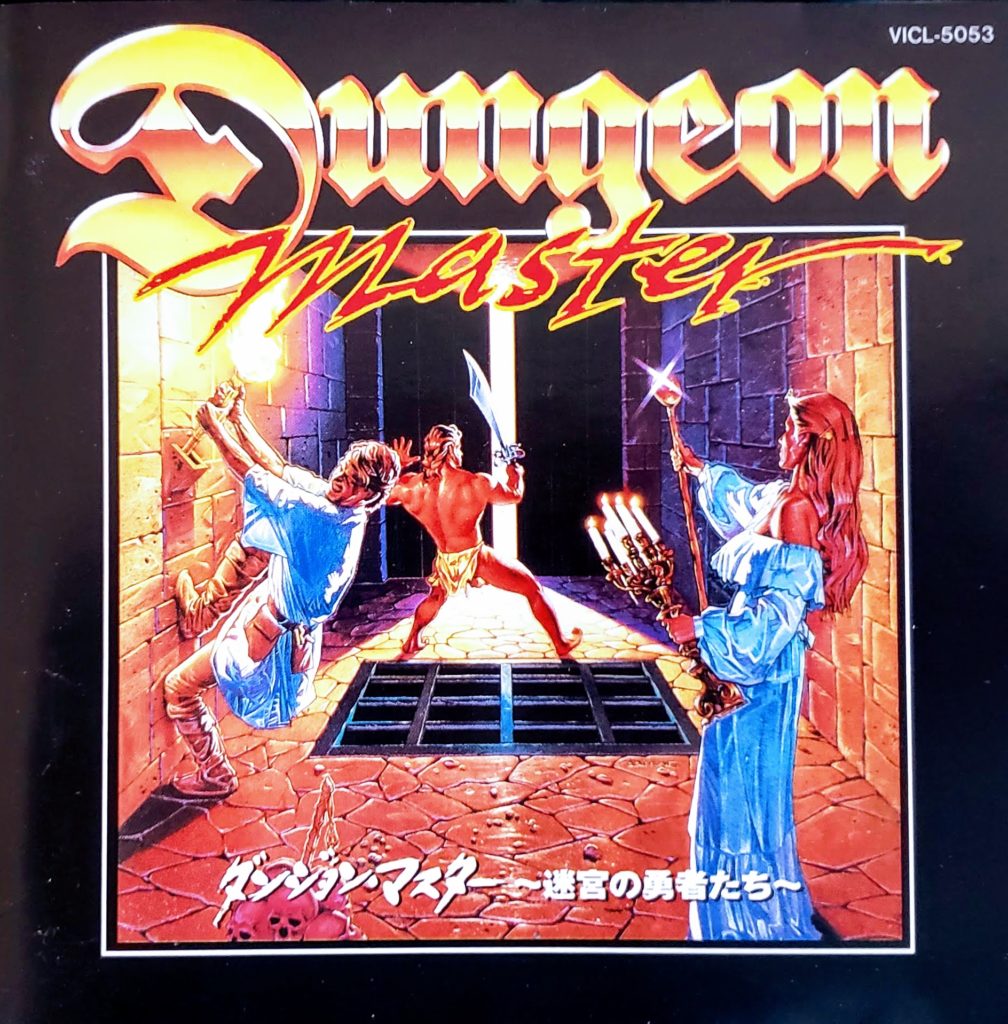
I stumbled upon this one in Osaka and it immediately unleashed a flood of memories. I actually never played the original Dungeon Master, my family didn’t have a computer when it came out. However, my friend had it for his Apple IIGS, and I would sit and watch him play it for hours on end. I don’t think either of us were ever able to really wrap our heads around the game, we were both probably eight or nine at the time, but we just loved the look of it, and it would always inspire me to draw my own dungeon monsters, demons and heroes. Now that I’m a grown-ass adult with a (slightly) better understanding of dungeon-crawling RPGs, I really should try it again sometime.

I was surprised to see that the game had a soundtrack release (especially in Japan) as I didn’t recall the version we played having any music at all. Turns out that the game was released for the FM Towns computer in Japan, which came with a CD_ROM drive. And the version of Dungeon Master that was released for the FM Towns took full advantage of said drive, packing a Redbook audio soundtrack on the game disc.

Since you can play Redbook audio on any standard CD player, it’s kind of funny that they decided to released the soundtrack for the game and it’s Chaos Strikes Back expansion pack on a regular CD. I guess that might be why they included the above “Mega Mixes,” which were not featured in the games themselves?

Finding out that a few Western games made it over to Japan on CD for the FM Towns makes me want to scour the used racks for those games to see which others might have obscure soundtracks tucked away on Redbook audio. Wonder if there are any hidden gems there!
PARTY LIKE IT’S 1992

July 9th, 2018

Well, forest fires, flash floods, and deadly heatwaves can only mean one thing: decades of inaction on climate change have doomed us to millennia of disastrous weather.

Also, time for some summer jams woooo!

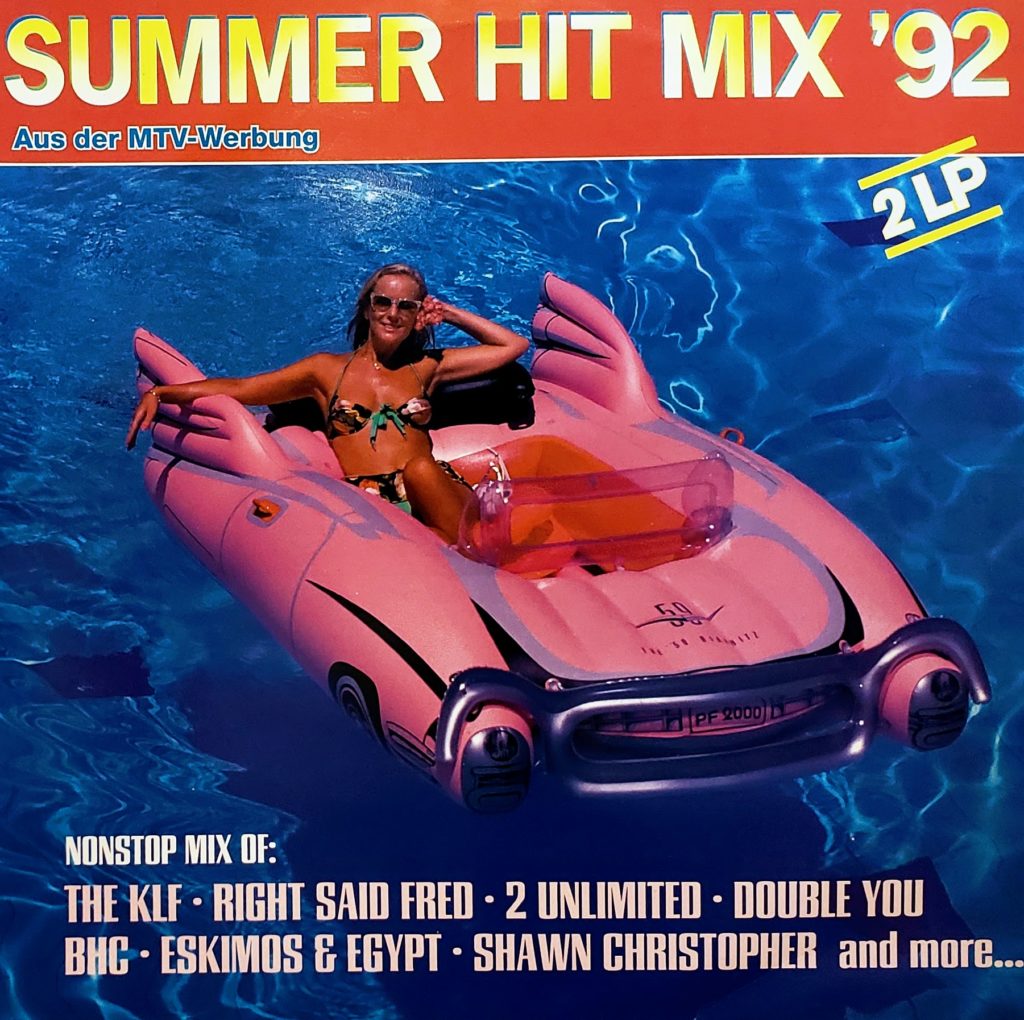
Summer Hit Mix ’92
Mix 1
Mix 2
Mix 3
Mix 4

I fucking love the cover to this album, it’s like they had a $20 budget, 45 minutes, a moderately interested model and they were like “fuck it, buy a float, put her in it, and take a few pics. No, don’t worry about the lighting it’s not important let’s get this done.” There’s a Laura Branigan’s video for “Gloria” level of laziness here that I really respect.

The album itself is great though, four fantastic mixes featuring pop hits, euro-dance, house, and some hip-hop. You got some big numbers here that you probably know, two 2 Unlimited numbers, for example, but there are also some lesser-known jams that I never heard of. A club mix of the “Escape From New York” theme? Sign me up! A U 96 song that isn’t “Dos Boot?” Word! You can find the whole tracklist here if you’re curious.

These mixes were put together by DJ Torsetn Fenslau, who was a big name in the German techno scene in the early 90s before he sadly passed away in a tragic car accident in 1993. He also worked as a producer, and found huge mainstream success right before his untimely passing with the super-uber-huge house hit “Mr. Vain” by Culture Beat. And if you’re thinking, like I did before I went to YouTube to see the video, that you never heard that song, trust me, you have. In terms of insanely catchy 90s euro-house mainstream hits, it’s probably only second to “What Is Love.”

I was going to finish this post off by making a crack that the worst song on this mix is better than the best song that’s currently on the Billboard Dance Chart, but I did a quick look at the charts and found that both Donna Summer and Diana Ross remixes are currently in the top 10 so that’s just not true.

Everything on here is better than that Hasley song though because ugh fuck that thing.

Synthi Bach

July 1st, 2018

Yuji Takahashi
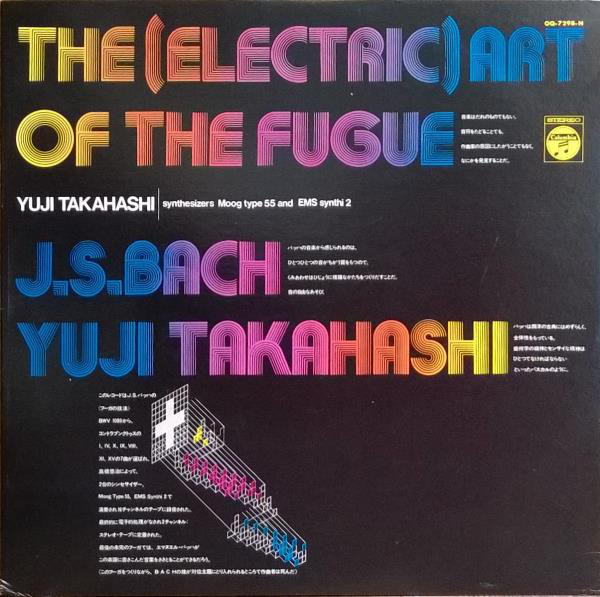
The [Electronic] Art of Fugue (Complete Album Download)

I’ve heard a lot of synthesizer renditions of Bach, so trust me when I say that this one is different.

There were a lot of electronic interpretations of Bach in the 1970s, obviously trying to capitalize off of Wendy Carlos’ Switched-On Bach. Nearly all of them (even the good ones) are pale imitations of that album that lack the sophistication and multi-layered approach that Carlos took when crafting her masterpiece. A reminder, synthesizers back then could only produce one note at a time. To create a proper Bach arrangement meant countless playbacks and tape dubs. Not everyone was up to it. Additionally, nearly everyone at the time was sticking to the similar Moogs that Carlos used. So you ended up with a lot of derivative works.

Yuji Takahashi’s take on Bach is a bit different, probably because Takahashi himself is a bit different. Takahashi is a classically-trained pianist, but he also holds an interest in the avant-garde and experimental. He started putting out albums in the late-60s, his earliest stuff being interpretations of John Cage works, while also releasing avant-garde and experimental works of his own. Even early on in his career he was working in left-field. In 1974 he put out an album with Masahiko Satoh, another acclaimed Japanese pianist, that consisted of performances on synthesizers and prepared pianos. I have no idea what that sounds like but I sure as hell bet it sounds different.

A year later, he released this. As far as I can tell, it’s the first electronic interpretation of Bach’s The Art Of Fugue, which is just one of many reasons why it stands out among the other classical Moog albums of the day. Not only is the material odd, but his arrangements are slightly more off-kilter than what you might hear on other electronic Bach albums.

A lot of that has to do with the instrumentation that Takahashi chose to use. Takahashi doesn’t just limit himself to the “traditional” Moog synthesizers of the day. Added into the mix is an EMS Synthi 2. The Synthi is a strange beast that can produce very unique sound effects, such as stark popping sounds and tones that have a unnatural drop off or arpeggio effect. Used poorly, the Synthi just creates seemingly random noises. Used correctly, it can be Pink Floyd. It has some range. Here, Takahashi uses it to pushes the limits of “music” from time to time, especially on “Contrapunctus XI,” but he shows enough restraint with the device that it never becomes grating, just supremely odd. And the more “normal” sounds of the traditional Moog help reign him in when things get dangerously close to pure noise.

I first bought this on LP a few months back, but that copy was pretty banged up. And it’s hard to digitally restore a record that uses harsh sound effects like the ones used here: they often get removed alongside the record’s scratches and crackles. Thankfully, the record was re-issued on CD a few years back and I managed to find one at not-too-crazy prices. These files are taken from that CD.

If this ain’t your thing, don’t fret. Next post will feature nothing but hot summer jams.


The Devo Live Album Time Forgot

June 26th, 2018

It’s been a while, but tonight here is some music by an artist you might actually know the name of!

Seriously though, I got a few really nice comments on my past few more out there posts, and those do mean a lot to me! So thanks for that.

Anyways….

WE ARE DEVO.

Devo
Jocko Homo (Live)
It Doesn’t Matter To Me (Live)
Going Under (Live)
Somewhere With Devo: Shout/Disco Dancer (Live)

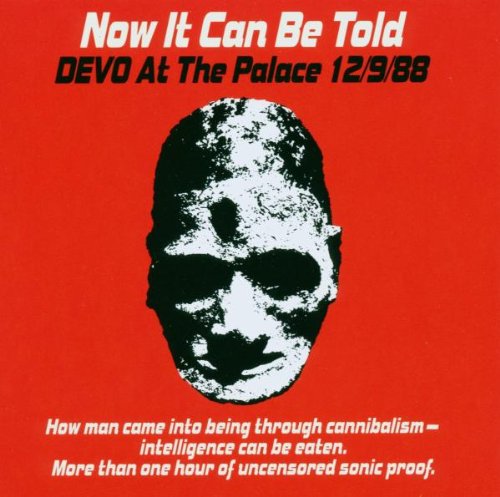
These cuts are from the live album Now It Can Be Told: DEVO At The Palace 12/9/88. I’m going to go out on a limb and say this record has become completely forgotten in the years since its release; I had never seen it in any used store ever until I stumbled upon it a few weeks back, in the middle of nowhere at a used hardware store outside of Tokyo. And the Wikipedia page for the album was rife with typos, listing the album’s recording and release dates in the late-90s and not the late-80s…big difference. I cleaned it up a bit last night.

I suppose the lack of oversight makes sense, this album came out when Devo was a bit past their prime. It was recorded during the tour for Total Devo, an album that in itself is mostly forgotten now, and was poorly-received at the time. Critics then attacked it for being derivative of the group’s earlier (and better) work, but if Devo’s attitude on this album is any indication, they blamed their waning popularity more on changing trends (looking in hindsight, both are probably true). The first three tracks on this album (which I’m sharing here tonight) are acoustic numbers. My suspicion is that Devo was playing with the fact that acts like Tracey Chapman, R.E.M., and The Pixies were replacing acts like them on the indie/alternative charts: the synthpop-backlash was already in effect. At one point in this album Mark even says that “it takes courage to be a Devo fan these days.” This is the attitude of a band that was obviously over it.

But it doesn’t show in their performance, this is a fantastic record. While I would’ve been bummed to the laid-back acoustic version of “Jocko Homo” in concert, having this strange alternative version on my computer is a treat. And when the band cuts the acoustic charade and plugs in the synthesizers, they still sound like prime Devo. And they also still focus on material from their older albums, a rather telling sign. However, the band closes a medley of “Shout” and “Disco Dancer,” two of their more recent (and failed) singles. But both those tracks were standouts on their respective albums (“Disco Dancer” should be a fucking classic) and these epic 11 minute combination of them both is just awesome and should’ve remained a Devo set closer for their reunion tour in the 2010s, I would’ve been happy.

The public has forgotten this record and I think that Devo has too. It’s listed on their website alongside their other albums, but its never been re-issued and is not available on any digital storefront. Devo’s re-released and remastered damn near everything in their catalog over the years, and have even released other live albums since then, so I doubt them skipping this record was an unintentional oversight. Perhaps it’s a time in their career they’d wish to forget. It’s a shame, as the record is quality. If you like the tracks I’m sharing tonight, maybe consider picking it up used. It’s pretty cheap online.

Next post: strange synthy music no one has ever heard of.

Sorry.

Happy Dopey Synths

June 23rd, 2018

A few year back I first heard the term “synthwave” and kind of scoffed at it. Seemed to me like another made-up genre like “Nu-Rave” and “grindie.” But it stuck around long enough and I begrudgingly accept it now. Shit, even a few of my favorite artists, such as Survive and Power Glove, fall under the synthwave banner. But as much as I love synthwave, its omnipresent feeling of never-ending foreboding can be just a bit much at times. Like, I get it guys, you all like John Carpenter and Blade Runner. Would it kill you to give your songs more of an upbeat vibe just once in a while?

As I mentioned in my last post, I’ve recently been scouring the record bins for obscure prog and prog-adjacent acts that heavily feature keyboards, sequencers and other early electronic instruments. Through my purchases, I’ve discovered some real gems. I shared Lutz Rahn last time, but I also want to give a shout out to Zeus. His album Europium seriously blows my mind. It’s a perfect amalgamation of late-70s prog and early-80s synthpop. Totally amazing stuff that, much like Rahn, takes concepts and themes you’d find in 70s electronic music and places them firmly in a pop environment.

I’m also currently in love with Roland Romanelli’s 1982 album Connecting Flight. It’s like it was created in a vacuum. It seems to completely ignore the synthpop trends of the era and instead goes for a super energetic and over-the-top sound that sounds a bit like the purely instrumental disco of the early 70s, just played entirely on electronic instruments. Makes sense that this dude was in Space, a group with a similar upbeat and fun style (who I also recommend).

All of these bands are on iTunes. They’re easy to find and at affordable prices, so I won’t share them here. Instead I’m going to share an album that also gives me similar vibes, times a million.

Osamu Shoji
The Pumpkin Wine (complete album download)
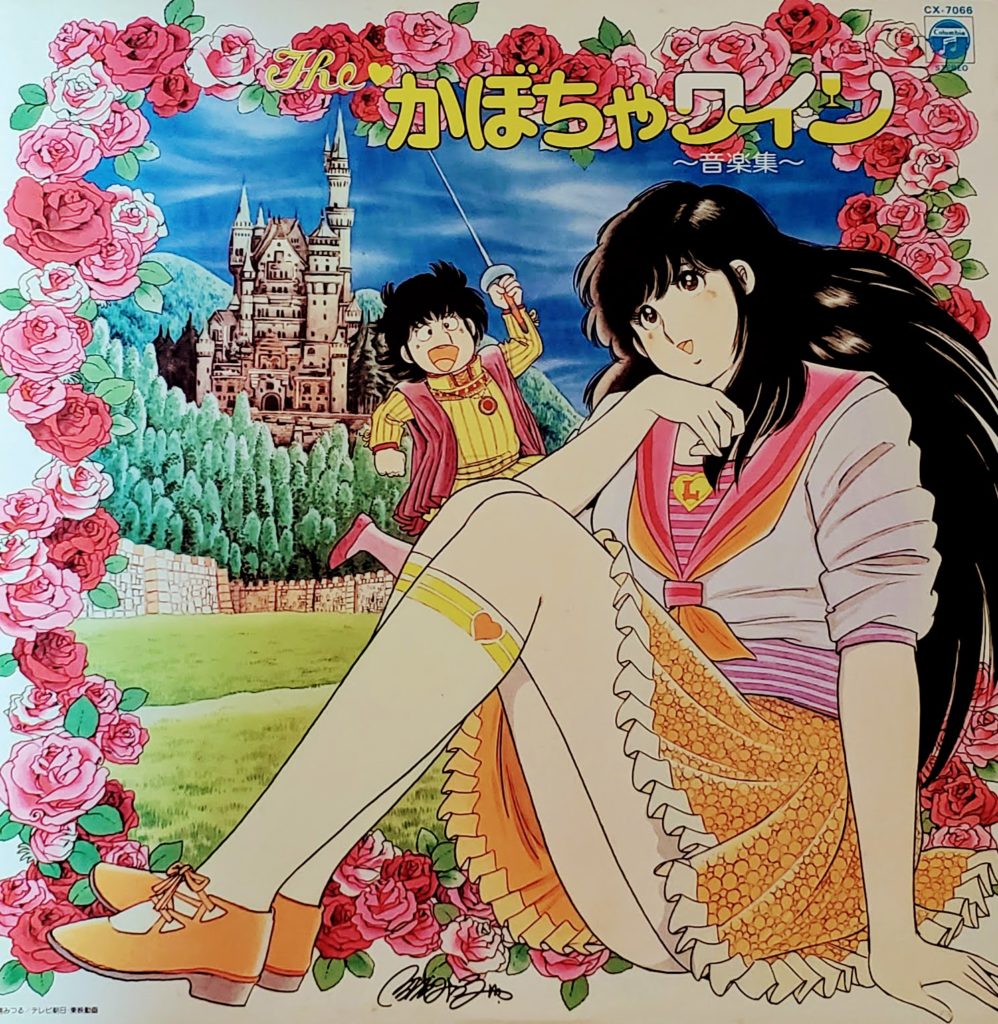
The Pumpkin Wine was a manga from the early 80s that got turned into an anime series in 1982, followed by an animated movie in 1984 and a live-action movie in 2007. This is the soundtrack to the manga I believe. That was actually a fairly common thing in Japan in the 80s. They gave manga their own soundtracks. I guess you were supposed to read the manga while listening to the LP.

Of course, I could be entirely wrong as it should be said that I know squat about The Pumpkin Wine in either anime or manga form. I bought this solely for the composer, the legendary Osamu Shoji. He sadly passed away this year, and I long for the day when his robust, eclectic and downright bizarre discography is rightfully rediscovered. He’s mostly known for his score to Wicked City, but I feel that this soundtrack is more indicative of his greater body of work; what I mean is, it’s goofy as hell.

One of the best things about Osamu Shoji was that he wasn’t afraid to go all out with his synthesizers and really try all the sounds they could produce. You don’t just hear the basic synth strings and drum beats on an Osamu Shoji piece, you get weird electronic bongos, non-stop slap bass effects, faux guitar, artificial bells, the works. This album has a track with not one, but two short synth-bongo drum solos. That’s the kind of idiosyncratic delights that Osamu Shoji specialized in.

The result is music that is cheery and upbeat. Sparkly and breezy. It’s not City Pop, it’s not jazzy enough for that, but it’s definitely a close cousin. This is music for a Sunday drive by the beach, or a stroll through an exceptionally charming neighborhood. It’s what you hear when you roll up to a town in an RPG. I get that the tones and textures used by Shoji may not be for everyone, especially those whose only exposure to synthesizer music is grimdark synthwave, but for me it’s a refreshing breath of fresh digital air. Music can be an escape sometimes. I don’t always need to be reminded that the world is a dark and scary place. Sometimes I want to be reminded that it can still, just sometimes, be a fun and happy place. Music like this does that for me. Maybe it’ll do it for you too.

Lutz Rahn and his Proto-Synthwave

June 18th, 2018

Prog is big in Japan. Really big. It’s crazy. The prog section at any used record store here is always massive, and it’s always filled with insanely rare and expensive records that sell like hotcakes. I’ve seen prog albums by acts I’ve never heard of fetch over $1,000. I think that prog is big here because there’s a devoted subset of Japanese music fans who really care about technical ability. And the kind of person whose really into technical skill and musicianship (let’s say, over songwriting and personality) is often going to be the kind of person who’s into prog.

That means that in addition to insanely rare and expensive prog albums for sale, you often seen bargain bin sales of obscure prog you’d never find otherwise. Those bins have been my hunting grounds as of late. I really enjoy digging through those crates to see what turns up. But prog is a pretty diverse genre. You got jazz-influenced prog, funky organ-based prog, space prog, whatever the fuck Styx is, and so on.

It can be a little overwhelming at first, so many albums from so many bands, it’s hard to even know where to begin. I’ve got a system that works for me though; I usually check the back of the record or the liner notes until I find the credits. If they went through the trouble to list by name the different keyboards, synthesizers and other electronic components used on the album, then that tells me that the record has a heavy keyboard and/or electronic bent, and that’s really what I’m into the most at the moment. My flirtation with jazz-rock is done, I got burned too many times. Give me all the sequencers all the time.

Lutz Rahn
Galaxy Taxi
September
Jubel-Trubel

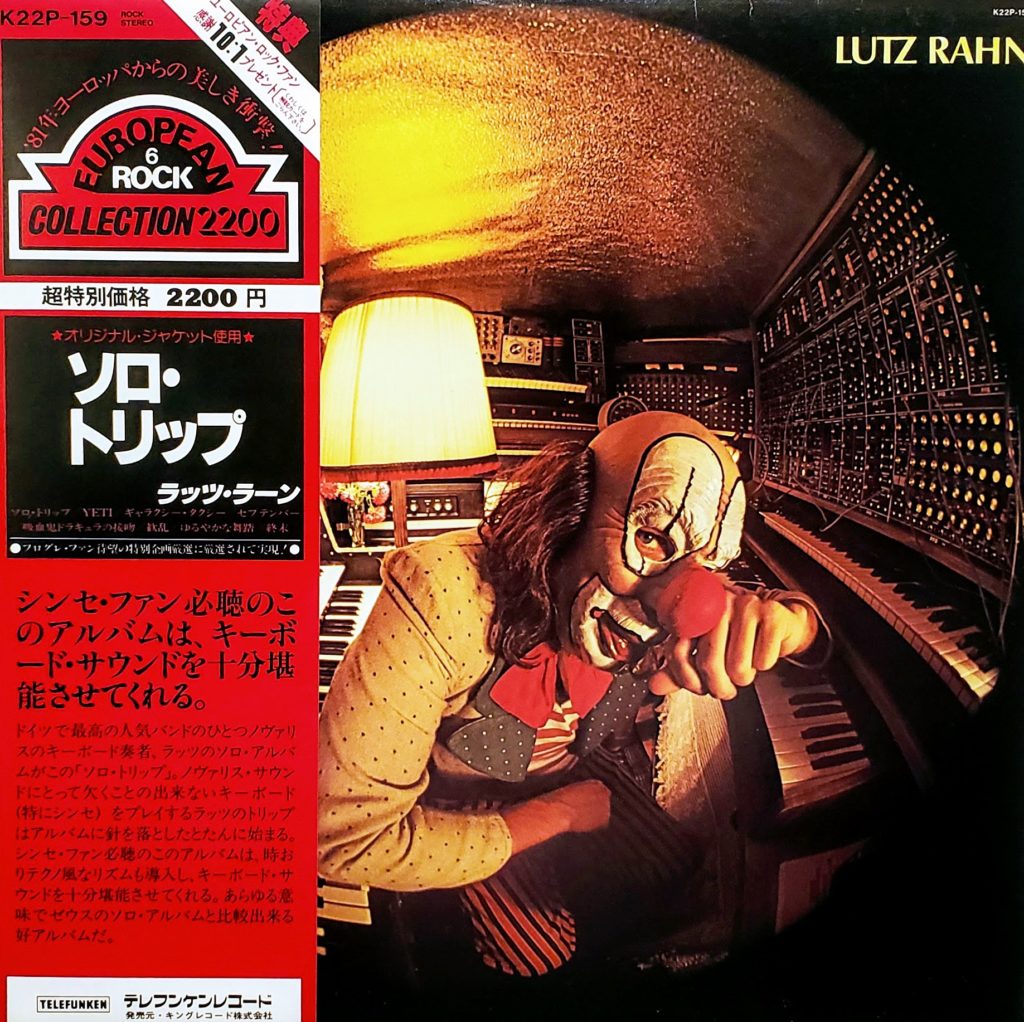
Yes. The cover of this album is equal parts horrible and terrifying. Don’t let that turn you off.

Lutz Rahn (and can we just acknowledge for a second that incredible name) is a German keyboardist. He’s a member of the prog group Novalis, and is in fact just one of two people who have performed on every single album by the group. That’s quite a feat as Novalis put out a shitload of records, 15 in total between 1973 and 1985!

I am entirely unfamiliar with Novalis, but this album really makes me want to dive in to their back catalog. This is an damn amazing record. It’s one of the best purely instrumental electronic albums of the era that I’ve ever bought. Keyboardist solo albums can really be a crapshoot. I like me some Rick Wakeman, don’t get me wrong, but he’s not exactly strong when it comes to hooks or memorable melodies. Of course, if you want rock operas on ice, he’s your man.

Lutz Rahn, on the other hand, is crafting sleek songs with strong hooks. These tracks stick with you. It’s like someone took 80s Tangerine Dream (think Le Parc) with 70s analog production. Stunning stuff through and through. If you’ve always wanted to get into acts like Tangerine Dream, Tim Blake or Jean-Michel Jarre but you found their discographies rather daunting or their stuff too droning or drawn-out, this might be the record for you.

Strangely, there seem to be two versions of this record out there. When I look up the songs on YouTube I find very different versions than the ones on my copy. I have a first pressing (Japanese) LP. Anyone out there have a different version and care to compare? I want to know if YouTube rips are taken from the relatively recent CD re-release. The ones I found on YouTube have way more drums. It’s really jarring, and I prefer the versions on my copy. They’re minimal in way that I find really soothing. Especially “Galaxy Taxi,” this shit is my late-night, walk through the backstreets of Tokyo jam.


Koto Vivaldi

June 15th, 2018

What’s your go to music when you need to calm the fuck down? Not chill the fuck out, but calm the fuck down? If I need to chill out, I got plenty. Banks, KLF, The Orb, a multitude of sub-standard prog, lots.

But when I need to calm down, when I need to put the anxiety dogs at bay or I need to stop thinking about any of the multitude of existential crises humanity is currently ignoring, I always gravitate to the same thing.

That’s right, obscure renditions of Vivaldi’s Four Seasons.

I know, you were totally going to guess that.

Tadao Sawai & Hozan Yamamoto
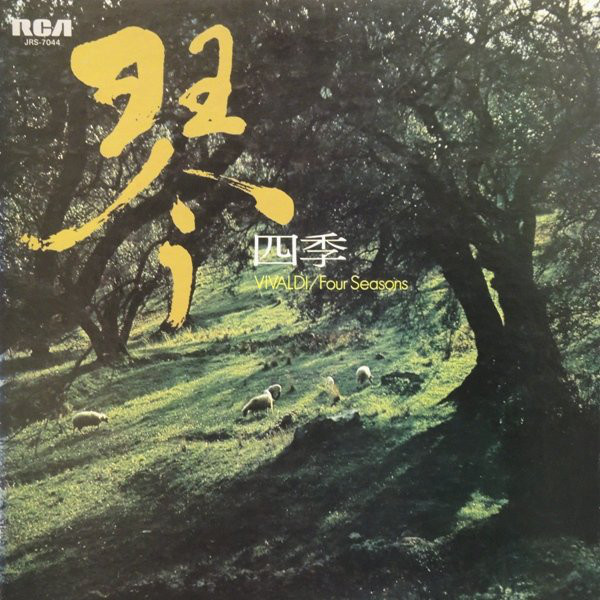
Vivaldi’s Four Seasons (Complete album download)
Tadao Sawai was a Japanese koto player. From what I can gather, dude was the Japanese koto player. The Clapton of Koto, expect with dramatically less cocaine (I assume). Hozan Yamamoto was a renowned Shakukachi (bamboo flute) performer who was well-known for his performances and original compositions.

Both often worked outside the realms of traditional Japanese music, and were some of the first classically trained Japanese musicians to work with westerners and perform western music on their respective traditional instruments. Yamamoto was performing with Japanese jazz acts in the late 60s, and in 1968 Sawai released an album of covers, featuring Koto renditions of pop tracks like “Over The Rainbow” and “Johnny Guitar.”

That same year, the two teamed up for Koto Sebastian Bach, a collection of Bach covers (duh) and this album, a full performance of Vivaldi’s Four Seasons. The album isn’t just koto and shakukachi, there’s some drum, guitar, bass along for the ride, but the koto and shakukuchi are definitely given the spotlight. It’s a wonderful interpretation, it goes well with glass of sake.

This is probably not your thing. And that’s okay! But it might be someone else’s thing, and it is my thing. So please think about that before you leave a comment whining about the music I’m sharing for free. And regardless if this is your thing or not, don’t expect many more posts like this in the future. I just thought it would be a good change of pace. Nice relaxing music for your weekend. Maybe it’ll help you calm down too.

Sure is plenty of stuff not to be calm about lately, it seems.


Yoshinori Sunahara’s Airport Of The Future

June 11th, 2018

I rarely buy albums because they look cool. I’ve probably said this before, but owning over 4,000 records spread across two continents quickly cures you of that habit.

Sometimes though, you come across something so odd or peculiar, that you feel the need to add it to your collection. Last week I came across such a record.

Yoshinori Sunahara
Tokyo Underground Airport
Music For Chicago
Preview
Stinger Stingray

Yoshinori Sunahara is a Japanese musician. I’ve mentioned him tangentially a few times now. He’s a member of Yukihiro Takahashi’s supergroup Metafive, and he’s also a collaborator on Towa Tei’s upcoming album Sweet Robot Against The Machine. Before all that, he was a member Denki Groove, an electronic act here in Japan that is oddly incredibly popular.

Yoshinori left Denki Groove in the mid-90s to go solo. He released albums at a pretty steady clip in the late-90s, but he’s slowed down his solo output as of late. His last album proper came out in 2011. I haven’t listened to all of work, but the stuff I have come across certainly has a flavor of its own, somewhat aligning with the more electronic acts of the 90s “Shibuya Kei” scene that made slight waves in the states at the time, with acts like Pizzacato Five and Cornelius getting some attention internationally.

During the late-90s, Yoshinori went full “lounge pop,” just like his frequent collaborator Towa Tei. I bet their house parties were dope as fuck. In 1998, he released two albums that I feel real exemplify his lounge dance-pop style; The Sound of the 70s, followed by Take Off and Landing. Both are obsessed with the international jet set culture of the 60s and 70s, specifically the style of Pan Am airlines. Hell, The Sound Of 70’s opens with a remix of music Pan Am would play on their flights.

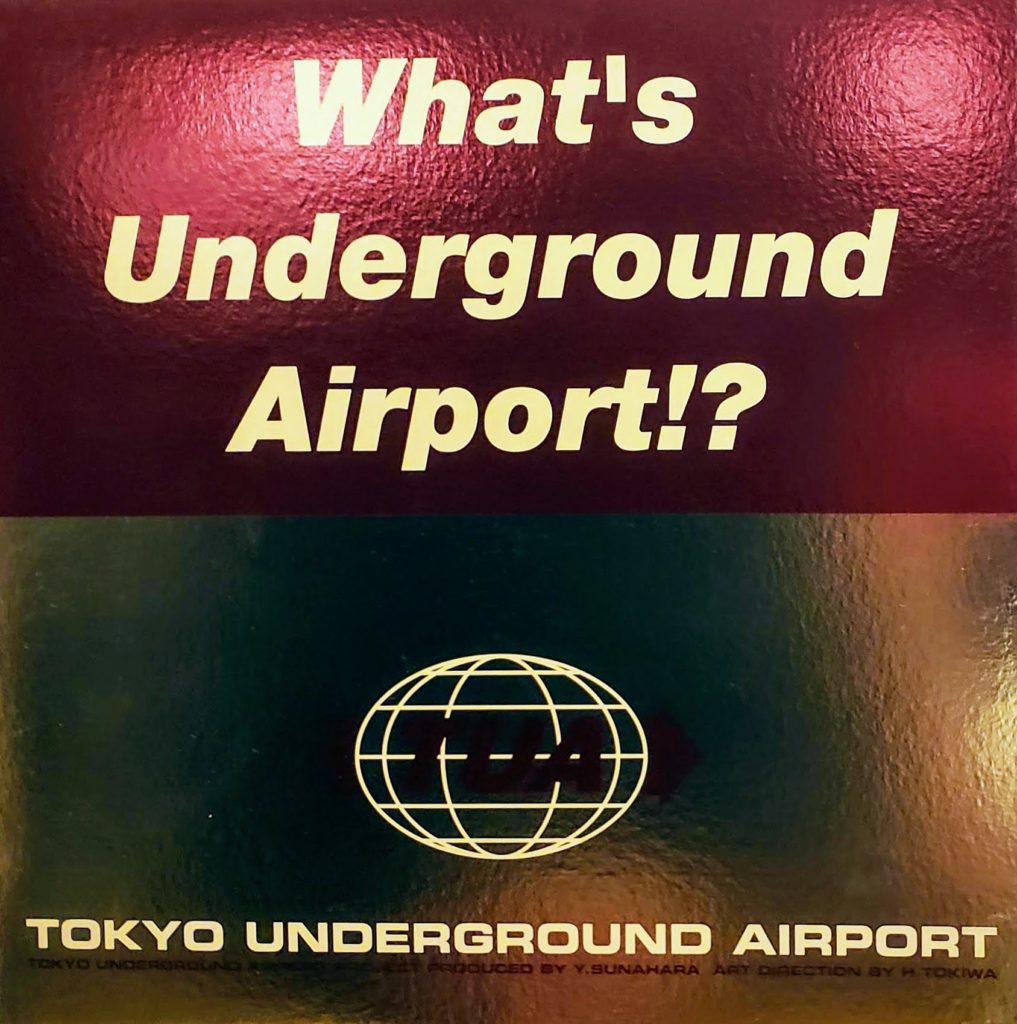
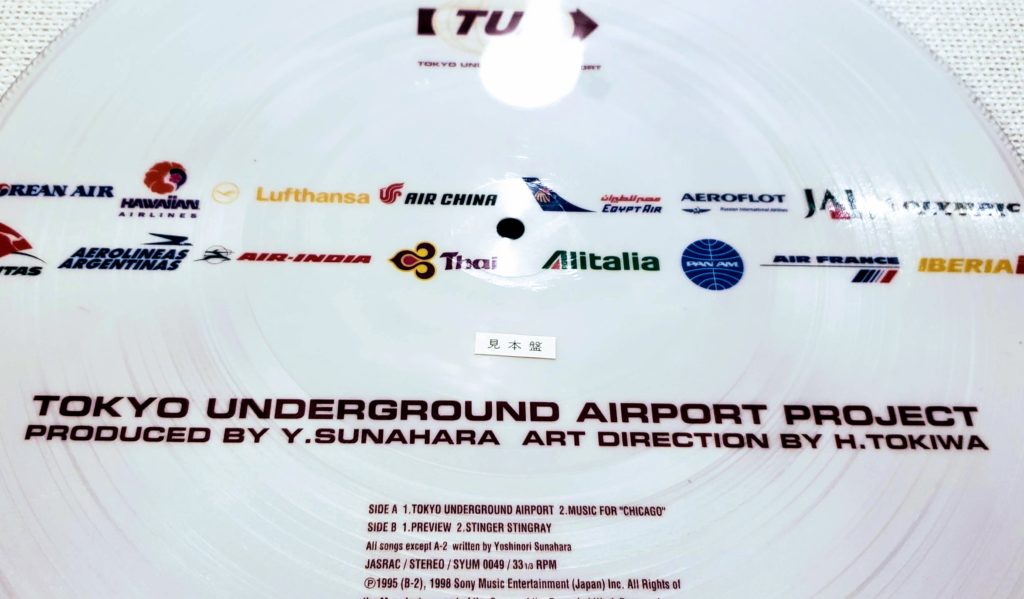
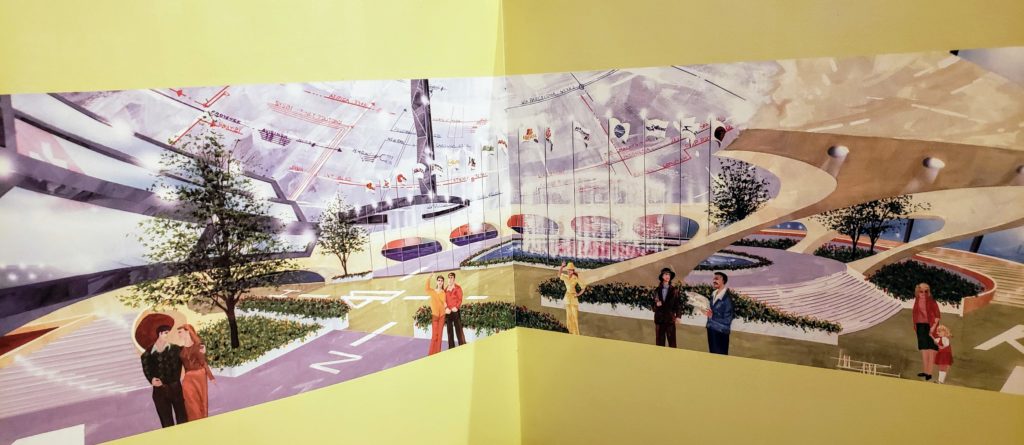
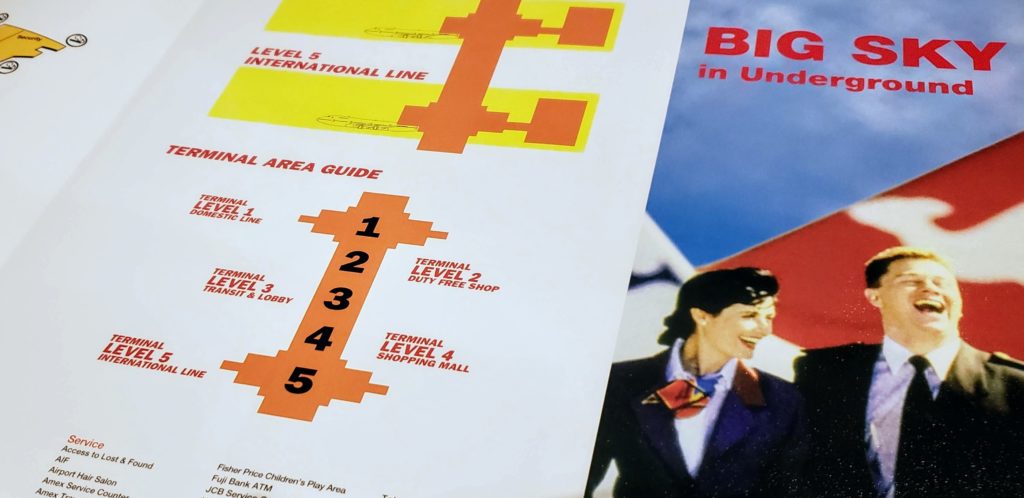
Yoshinori took this obsession to the next level for this single promoting The Sound Of Take Off and Landing, which I’m sharing tonight, an over-the-top deluxe style package that goes out of its way to express the magical retrofuturistic world he wanted to surround himself in.

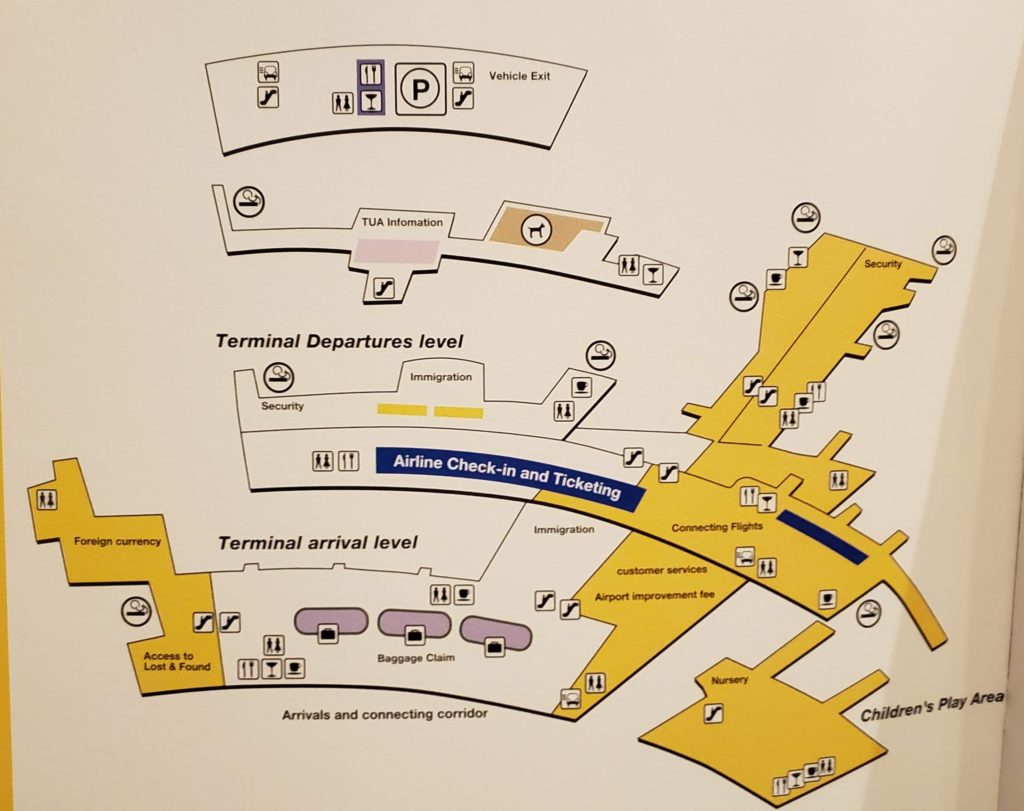
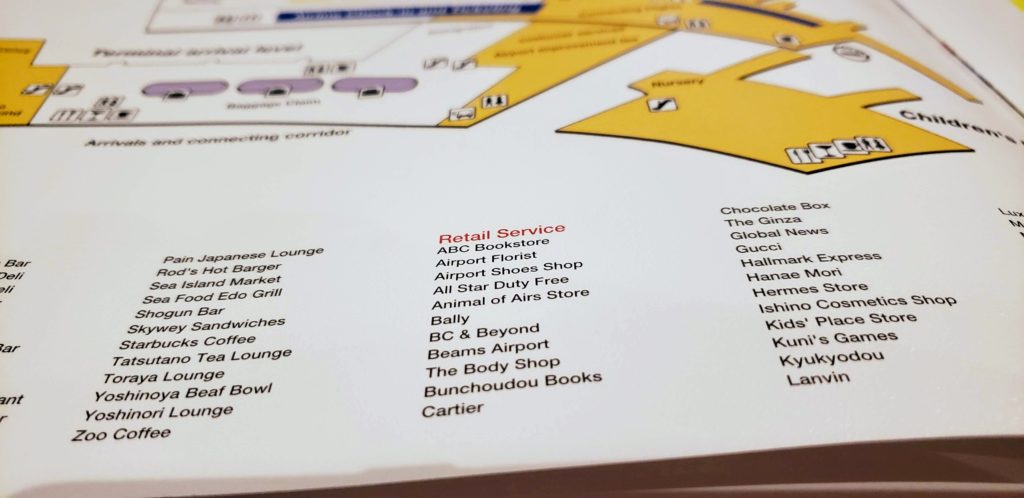
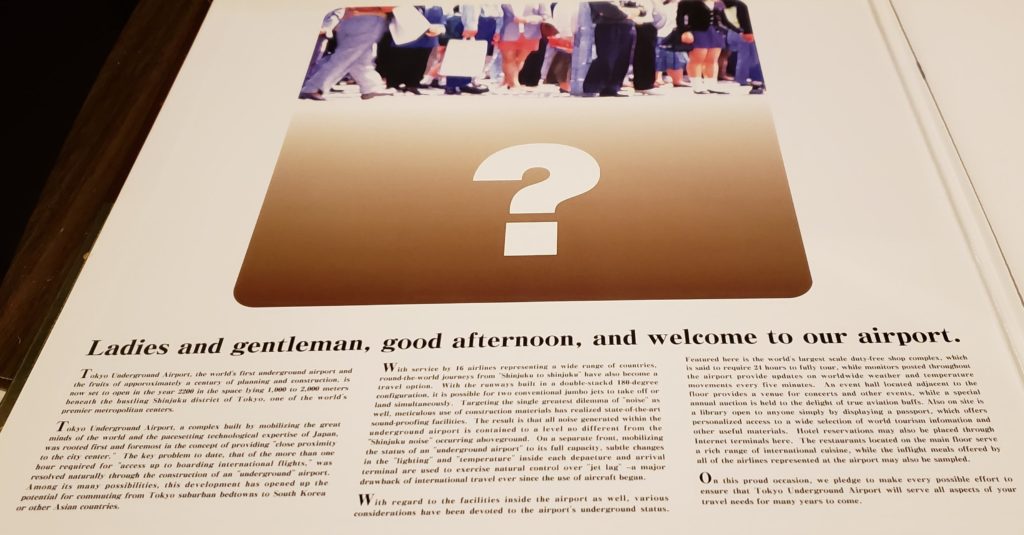
The presentation outweighs the music. Everything here is created to promote the fantastical Tokyo Underground Airport. The booklet inside features a detailed (future) history of the airport, and includes schematics showcasing the airport’s layout (complete with a list of businesses contained in the shopping center) as well as descriptions of every country serviced by the mythical flight center. The package even includes a sticker sheet with the (real) airlines that would travel through the underground depot. This single was available on CD, but I can’t imagine it would carry the same weight or work as well to transport you to the world Yoshinori was trying so hard to create.

The world-building continues onto the record proper. The first track is a nearly 14-minute guide to the Tokyo Underground Airport, and it goes into an insane amount of detail, giving the minutia an in-and-outs of nearly every aspect of the airport. The recording occasionally gets distorted and twisted, giving it a found object feel, like it’s some sort of damaged recording found by archeologists in the distant future.

Track two is a b-side “Music For Chicago,” that I believe is exclusive to this release. It has a vibe that I can’t pin down. But I feel like it’s something that would’ve played at an exhibit in a World’s Fair or something. “Preview” is a preview of the future featuring narration about the uptopian world Sunihara dreamed of, with music from the album proper. Finally, “Stinger Stingray” is an album cut from Yoshinori’s solo debut Crossover, albeit in a slightly different mix. While it’s not taken from the same thematic piece as the rest of the recordings, it’s style fits well enough.

What an amazing piece of design. A lot of deluxe packages today don’t come close to the level of detail in this. And damn, imagining this dream airport of the future does it Narita Airport suck even more.


パックマン・フィーバー (Pac/Puc Man Fever)

May 29th, 2018

Buckner & Garcia
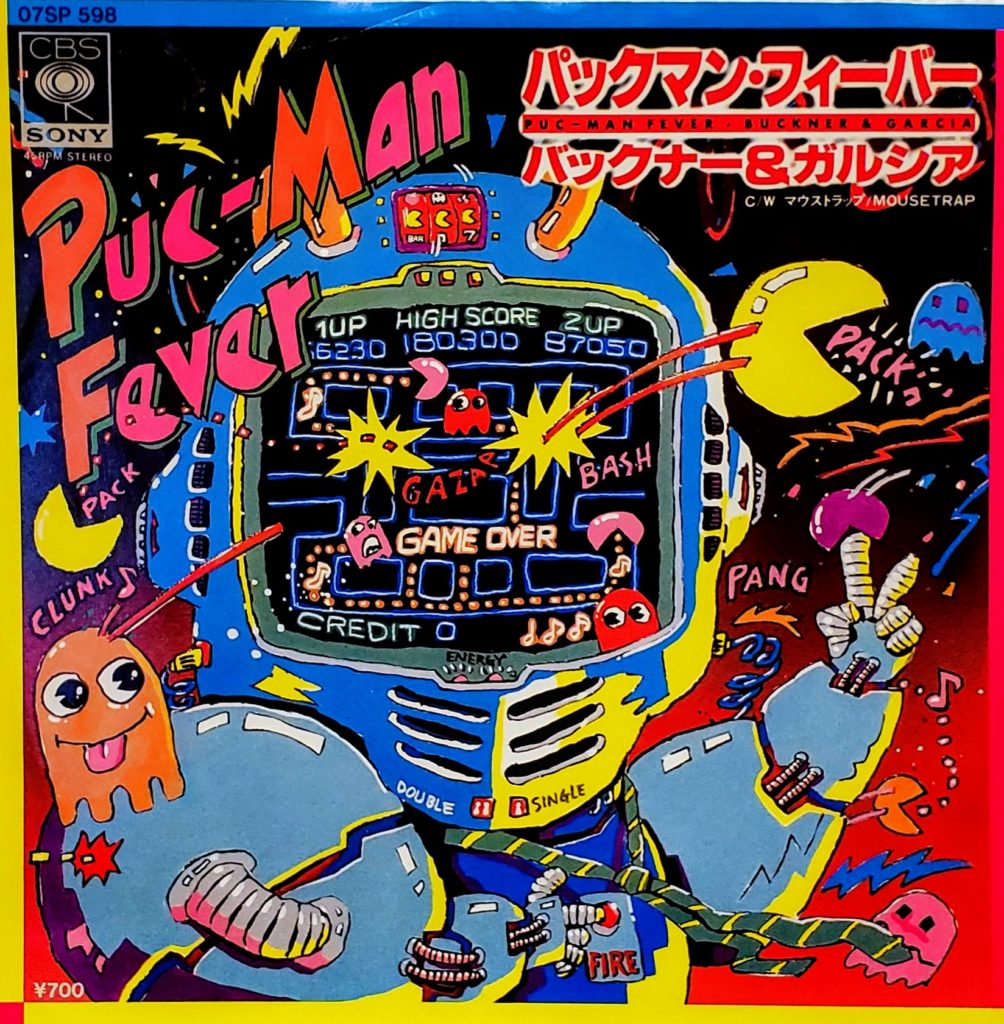
Puc-Man Fever (Japanese Version)
Buckner & Garcia’s “Pac-Man Fever” is kind of an infamous track at this point, but I think it gets a bad rep. Sure, it’s not the best song ever written and its definitely not a song you’d want stuck in your head for more than 10 minutes. But as song about video games go, it’s pretty damn good. And yes, there are other songs about video games. Who could forget Gary Wright’s “Dig Dug?” (The answer is, of course, literally everyone.)Don’t forget, this song was a Billboard Hot 100 top ten hit single, peaking at number nine.

But the song wasn’t only a hit in the states, it saw an official release in many other territories too, including Japan. That makes sense, Pac-Man was just as big (if not bigger) in Japan than it was in the states, so why not release the song there?

Well, one problem with that, in Japan, Pac-Man was still officially Puck-Man.

I’m sure a large portion of my audience already knows this, but Puck-Man was Pac-Man’s original name. It was only changed after someone realized that Puck-Man looks and sounds way too much like Fuck-Man, with the graffiti and vandalism possibilities too horrific to even imagine. So “puck” became “pac,” and most of world never realized that the little yellow guy was supposed to be shaped like a hockey puck.

Anyways, back to the song. When the time came to release the song in Japan, Buckner & Garcia apparently went back into the studio to re-record the chorus of the song, changing every instance of “Pac” to “Puck.” If you ever wanted proof that record companies just had fucking millions to burn in the early 80s, there you go.

I highly doubt this version of the song ever got any other official release aside from the Japanese 7″ single. The album itself was never issued in Japan. Hell, the original version of “Pac-Man Fever” has never been re-issued on a proper Buckner & Garcia CD or digitally (any CD or iTunes version is a re-recorded take from the 90s). So I feel safe in assuming that this is a proper rarity.

Here’s an idea for Record Store Day 2019; completely remastered “Pac-Man Fever” 7″ single using that dope as fuck Japanese art, with “Puc-Man Fever” as the B-side. Someone get on this now.

Towa Tei Or Towa Die

May 25th, 2018

Towa Tei has a new album coming out this summer, in a sense. It’s actually a collaborative effort between him, fellow Metafive member Yoshinori Sunahara and someone who goes by the name Bakarhythm (“baka” is Japanese for “stupid” FYI). The project is using the name of an old Towa pseudonym, Sweet Robots Against The Machine.

I have high hopes for this one, despite the fact that the original SRATM album a rather forgettable affair. I’m much more of a fan of Towa’s current sound than his older stuff, and anything he’s done with anyone from his Metafive crew has just been fabulous. His albums Sunny, Lucky, Cute and Emo are all top-notch dance-pop bangers so here’s hope the streak continues with what he has coming up next.

In the meantime, let’s check out some of the stuff he put out in the past, which I coincidentally bought last week.

Towa Tei
Let Me Know (TT Remix)
Let Me Know (Mighty Bop Remix)
Let Me Know (Mighty Bop Remix Instrumental)

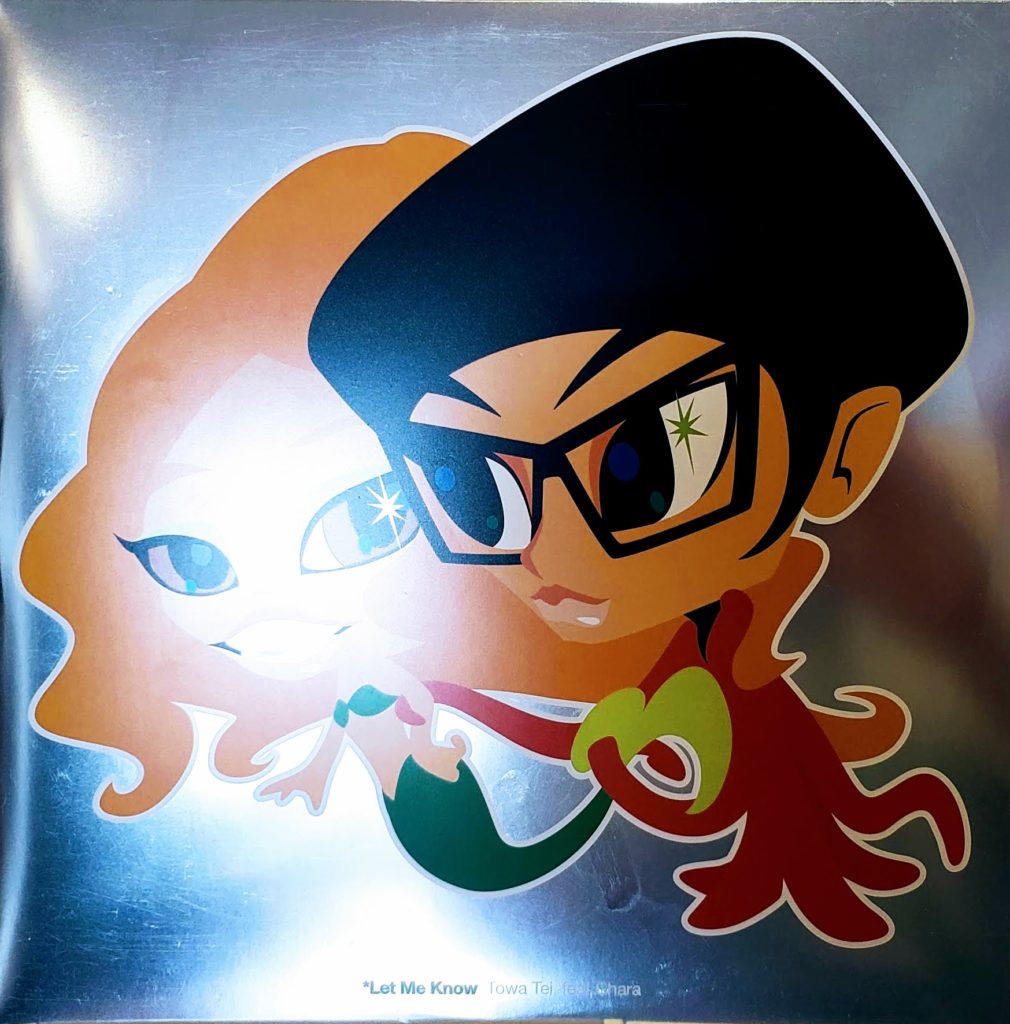
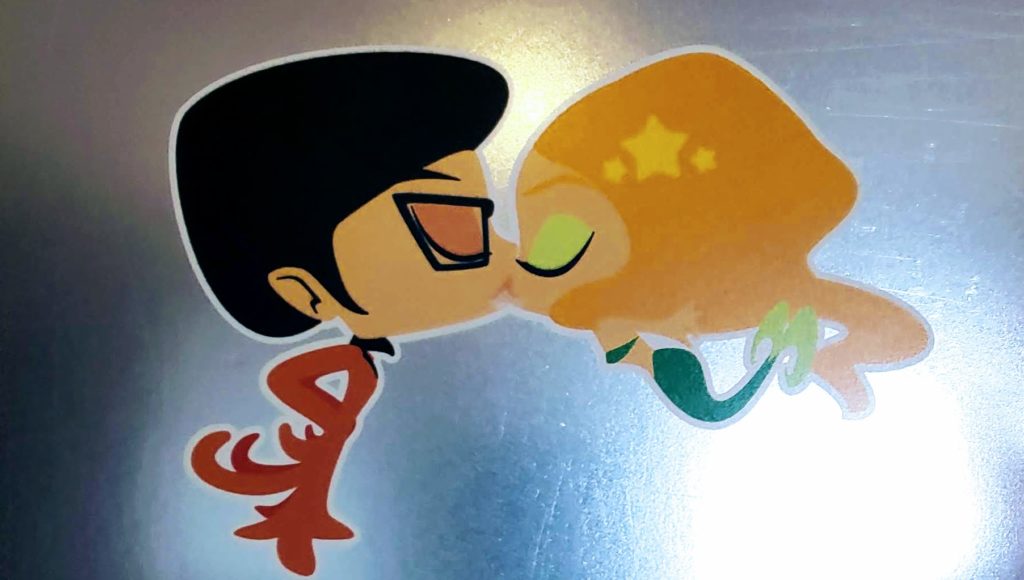
This is a track from Towa’s 1999 album, Last Century Modern, featuring Chara on vocals. This is very 90s Towa, with a heavy emphasis on that ever-so-hard-to-define “lounge” sound that he typified at the time. I really dig this stuff, but only in really small doses. It’s very much a singles genre for me. A whole album of it tires rather quickly. It’s just not uptempo enough for me. I need some more beats. I guess that’s why I prefer his newer stuff, it finds a happy middle-ground between his low-key lounge act stuff and the hyperactive techno that’s still relatively popular here in Japan. These remixes came from a 10″ single that, in addition to being green, has the cutest damn cover ever.

Deee-Lite
Pussycat Meow (The Meow Mix)
Pussycat Meow (Murk Boys Miami Mix)
Pussycat Meow (The Pussy Power Remix)
Pussycat Meow (Infinity Extended Mix)
Pussycat Meow (Murk Bonus Dub)

I’ve listened to this track about 10 times now and have gone from kinda liking it to kinda outright hating it. It’s such a non-song. Man, Deee-lite is fucking tragic. I’m including this for all your remix completists out there and for no other reason at all. I can see why I disliked a lot of early Towa Tei now, he had to get stuff like this out of his system.

Also, if you like this song, HEY THAT’S COOL MAYBE DON’T LEAVE A COMMENT ABOUT HOW I’M STUPID FOR NOT LIKING IT.