Zygoat is G.O.A.T.

September 30th, 2018

I’m still waist-deep in my synthesizer/prog kick, and I expect I’ll be swimming in sequencers for quite a long time if I keep discovering lost masterpieces like this.
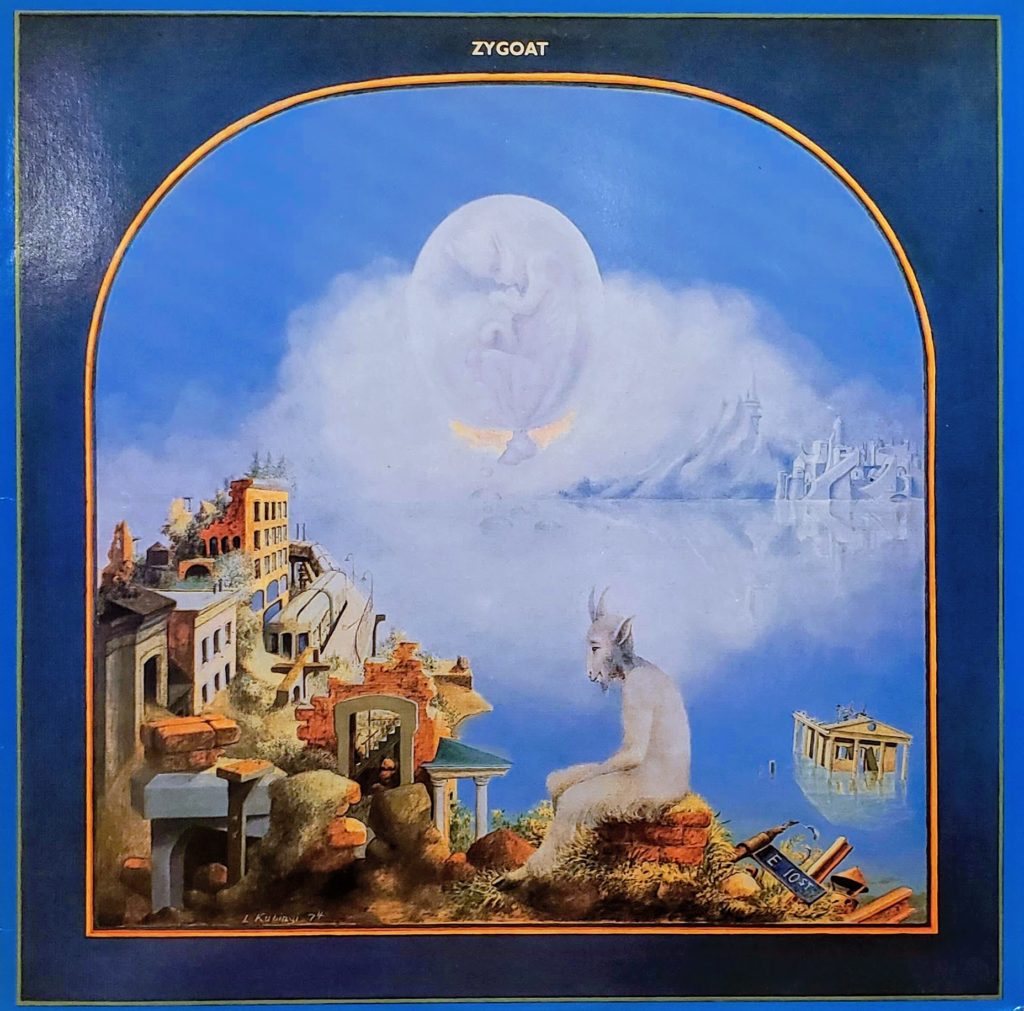
Zygoat
Side 1
Side 2

As I’ve no doubt mentioned before on this blog, most early synthesizer work was very simplistic because of the limitations of the technology. Early synthesizers were monophonic, they could only create one sound at a time. That means complex, well-arranged releases like Wendy Carlos’ legendary Switched-On Bach were comprised of seemingly endless dubs and layers, a terrifyingly complex process. While Carlos rose above these rather strict limitations, most others did not, leading to some two-dimensional, if still fun, recordings.

This is definitely not the case with Zygoat, a record filled with so many over-the-top and complex arrangements that it’s downright manic. It’s a good example of just how quickly synthesizer technology progressed in the six years between the 1968 release of Switched-On Bach and this record, which came out in 1974.

The sound here is just so unique that it’s hard to describe. There are definitely multiple synths at work here, some providing a fuzzy, distorted sound, while other give a cleaner, more symphonic, presentation. Most of the sounds themselves don’t sound entirely unique, I’m sure I’ve heard other records from the era using most of these settings and configurations. What makes Zygoat really stand out is just the tone of it all. It starts out rather basic, not too far removed from something you might hear from Tomita or even Carlos’ early work, but things escalate quickly, the pace picks up, and the record just explodes. Solos reminiscent of violin concertos (or classical guitar riffs) take dominance, as a barrage of out-of-this-world rhythms and backing harmonies accompany them. Fans of Stardrive might make a comparison with those legendary albums, but while Stardrive was funk, and while this certainly has funk elements, there’s a lot more going on here.
I guess what really gets me about this album is the pace. It has its slow spots, including an extended section where the tones are distorted and drawn out in a way that almost makes the synthesizers sound drunk (it’s pretty odd) the most memorable pieces of this album are the sections that work at a breakneck pace. When this album is firing on all cylinders, it’s just beyond words.

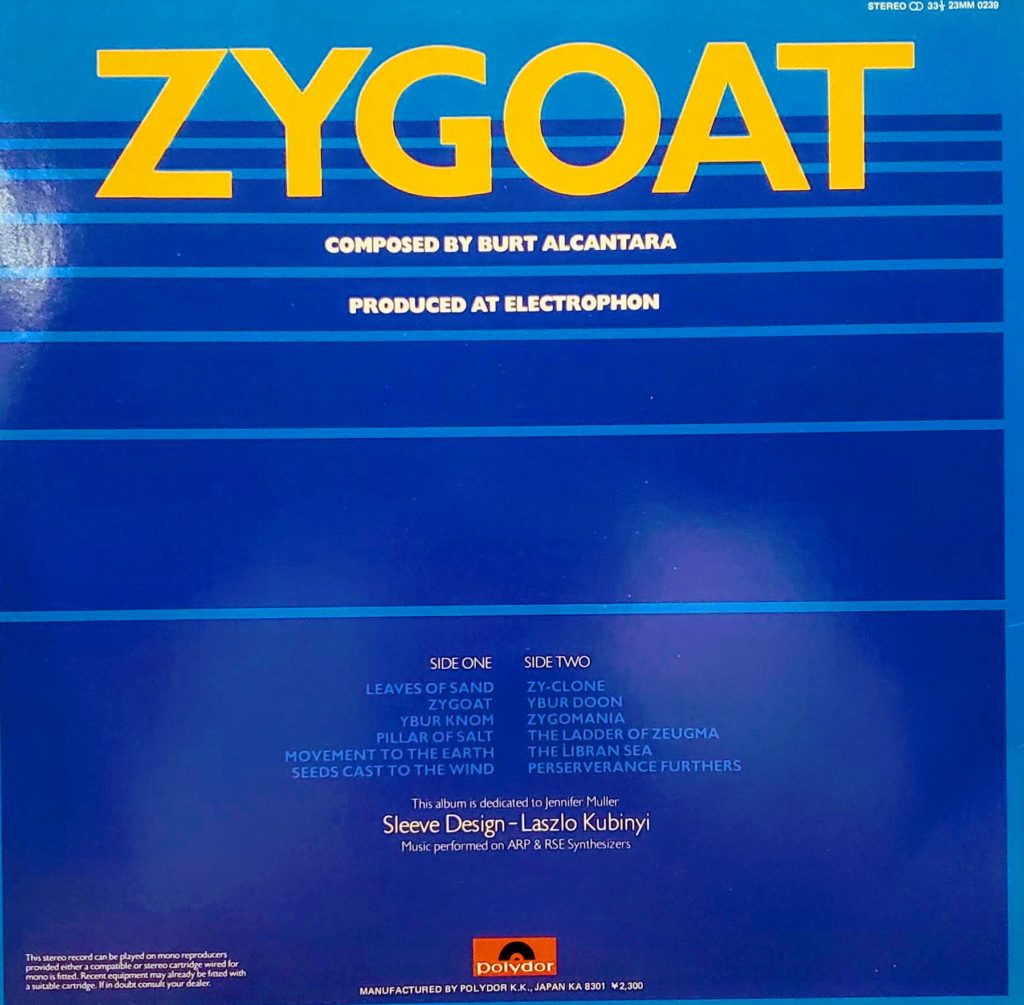
Zygoat is the brainchild of one man, a Burt Alcantara, but it’s nearly impossible to find out anything about him. According to Discogs this is the man’s only real release. The only mentions I find of him online are brief, and there appears to be no interview of him proper. What the hell became of this dude?

One of the few mentions I can find of Burt is in this interview with Brian Hodgson, who also worked on this album to some extent. Hodgson is a name that some of you might recognize, especially if you’re a Dr. Who fan. He was the man behind many of that show’s electronic sounds, including the iconic Daleks. After leaving the BBC, he went on to work on a few pioneering electronic albums, including fantastic works by White Noise and Wavemaker. He’s not credited by name here, but the album was recorded at his Electrophon Studios, so I imagine he was involved somewhat, if only tangentially.

I really wanted to pin down exactly what synthesizers were used in the making of this record, but that proved to be a bit tricky too. The back cover simply states that album was made using “ARP and RSE Synthesizers,” but it doesn’t go into any detail about make or model numbers. And, despite my interest in synthesizers from the era, I’m not very good at identifying them by ear. I would imagine that the ARPs that were used here were some variation of the 2500 though, as that was the big gun in the ARP line-up at the time. There might be an ARP String Ensemble at use here as well, which was one of the first polyphonic synths they produced.

What interests me more is the “RSE synthesizer” part of that credit, as I’ve never heard of that line of synths before. A quick scour through Google doesn’t turn up much either. All I could find was a brief mention in the book Analog Synthesizers, by one Mark Jenkins, where he says that the RSE model was a custom build by someone named Ken Gale, who worked at Electrophon. Other than that, I got zilch on that dude. I wonder what other albums feature these custom units, and if they sound anything like Zygoat.

So we got an unknown by unknown artists featuring unknown technology. I live for this shit and I hope you do too. In a year where I’ve uncovered so many fantastic obscure records (at least, to me they’re fantastic), this one might stand out as the absolute best of the bunch. Damn essential work for any synth fanatic out there.

I really did try to break this one up into individual tracks, but, even the track times of this record are unknown. And since most of the tracks segue together pretty flawlessly, I couldn’t even begin to tell when most of them ended and began. I thought it would be best just to leave them as is. Hope that doesn’t bother anyone.

And, as is always the case with this bafflingly obtuse obscurities, if you know anything about anyone at all who even had a remote connection to it, please let me know! I’m dying to find out more about this one!
The Brain Solution: Part 2

September 23rd, 2018

Last week I covered half of the 1988 Japanese alt-rock compilation The Brain Solution by focusing on the songs from the album by the groups Joy and Bardo Thodol. While not pop acts by any stretch of the imagination, both of them had a sound that was at least partially rooted in the commercial. Joy’s tracks had a groovy psychedelic bent that would’ve fit in totally fine in the British 60s-revival scene of the time, or possibly in the Paisley Underground. And Bardo Thodol was just doing a damn good Cocteau Twins impersonation, and the Cocteau Twins are good so there you go.

These groups are decidedly less commercial in every sense of the word. While I’m bummed that Joy and Bardo Thodol never broke through into any mainstream success or got enough exposure to even warrant a full-length album release, I can get why these bands didn’t make it big. They sound odd, noncommercial and jarring now. I can only imagine how they came across in 1988.

Also, one of them has the worst band name I’ve ever heard, but I’ll get that in a minute.

Gakidou
Voice Of Psychoprogram
(G.K.D.) 0023

I don’t know what to call this type of music. As out-of-my-element that I was when talking about Bardo Thodol, I’m doubly so here. I’m going to go with industrial/goth. These dudes dug Skinny Puppy no doubt.

This is electronic rock music, focusing primarily on loops, drum machines and scary noises. “Voice Of Psychoprogram” has a groove to it. I could imagine myself dancing to that at a club’s goth night. But the second track is just a slog of a slog. The vocalizations literally sound like someone vomiting repeatedly. I don’t know what they were going for. But hey, it’s unique so I’ll give them that much.

According to Discogs, this group has released several independent albums, but I don’t know if I trust that page entirely. It says all their albums came out in 2014 and 2015, nearly 30 years after their first single release. I suspect that this might be a case of there being two bands with the same name accidentally getting lumped into one page. That, or the band never broke up and discovered the joys of independent distribution 30+ years into their career. Stranger things have happened.

Regardless, it’s kind of hard for me to dig into more information into this band, thanks to their incredibly generic name. (Gakidou is a Japanese word for a type of supernatural being.)

Katsurei
電話の悪魔 (Phone Devil)
Gakidou’s name is generic (especially for a goth band) but at least they didn’t go Katsurei’s route.

Katsurei is Japanese for “circumcision.”

Why the fuck would you name your band “circumcision?” Imagine the horrible sentences that band name generated:

“Hey, you guys wanna go see Circumcision tonight?”
“Yo, you should really check out Circumcision!”
“That Circumcision show was amazing!”

And would you want to buy a t-shirt that had “CIRCUMCISION” in a bold typeface?

Shockingly enough, out of all the bands on The Brain Solution, they’re the ones who have seemingly found the greatest success. They released five albums throughout the later half of the 80s and into the 90s. They’re 2010 reunion LP was released by the relatively big Japanese album P-Vine. They apparently are continuing to tour and make new music to this day. Say what you will about Circumcision, they certainly have staying power.

They’re actually not bad (kind of acoustic college rock), but unfortunately I am never going to hear any of their other songs ever. Because there’s no way in hell I’m walking into my local record store and asking for “Circumcision.”

People here already think I’m weird, I don’t need that.

The Brain Solution: Part 1

September 17th, 2018


Not much Japanese music has made an impact overseas, a fact that I will forever lament. The international obscurity of Japanese music makes researching it hard sometimes. Sure, if I want to read up on Towa Tei, YMO, or X Japan, there’s no problem. But dig just a little deeper and it becomes nigh-impossible. It’s really hard to find great English-language information on acts that were relatively big here, and finding info on cult or underground acts is just a freaking nightmare.

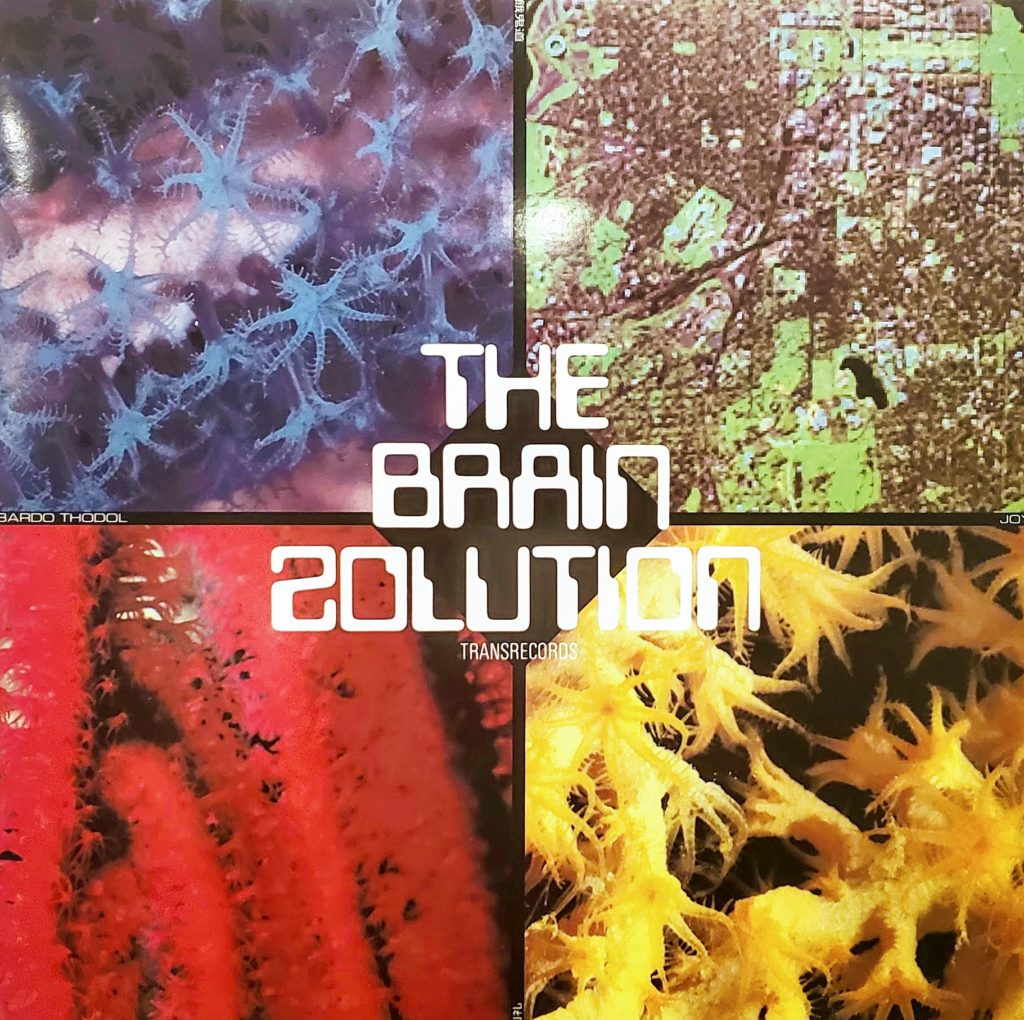
Which is where I am with the music I’m sharing tonight. All these tracks were taken from The Brain Solution, a compilation put out by indie label Transrecords in 1988.

Reliable, in-depth English information on these bands simply does not exist. If it does, it’s damn hard to find (the rather generic band names from the acts I’m featuring tonight sure doesn’t help things).  Heck, I’m having a hard time finding information on some of these acts in Japanese. Turns out this record isn’t just obscure overseas, no one heard of these acts in Japan either.

Japanese alt-rock is a hidden mine waiting to be plunged. As the hipsters, Soundcloud DJs and other culture vultures pick clean the dregs of the vastly overrated 80s “city pop” scene (seriously, what’s up with that), they’re missing out on a lot of amazing work from other genres and decades.

There were four bands on this release, tonight I’m featuring two. I hope to get the other stuff later this week or early next.

Bardo Thödol
Master Of Blue
Drowning In The Snow

Yo, do you like The Cocteau Twins because if you like Cocteau Twins I got a band for you. They sound a lot like Cocteau Twins.

That probably sounds like I’m being facetious but I mean that as praise. Sure, this band is entirely lacking in originality, but they chose a great band to rip-off, one that not many have even attempted to rip off. That’s something. Also, they do it damn well. If you told me that these were Cocteau Twins tracks with a guest vocalist, I’d believe you. This is amazing and ethereal in all the ways great Cocteau Twins tracks are. Music from another planet.

Like every other band on this record, Bardo Thödol didn’t do much. If Discogs is to be believed, they released just two singles and appeared on a few compilations, never putting out an album proper. I can find next to nothing about them online. Their name is a reference to the Book of the Dead, so that makes research a bit tricky. I did find one single MP3 blog that shared some of their music over a decade ago, but that writer didn’t know much about the group either.

Shit like this is why I need to study more Japanese dammit.

Joy
Arnold Layne
Pluto Metal Snow

Even more obscure than the previous act, Joy just managed to put out a lone 12″ single during their existence. Aside from that, they just have a smattering of tracks spread across four compilations to their name.

I bought this album because of their contributions to it, one of which being a cover of the Pink Floyd classic “Arnold Layne.” Joy’s sound is a bit hard for me to pin down, I’m a little out of my element here. I can definitely hear the psychedelic influence, but they also kind of have a goth/noise thing going on. I think? Like I said, this ain’t my scene. If someone could give these two tracks a spin and then give me a CMY style RIYL list that’d be really rad, thanks.

Same for anyone who can literally find out anything at all about this group. There are dozens of bands named Joy, including at least one other Japanese group. This is beyond my Googling skills.

Japanese Ambient Hardcore House Disco Glitch IDM for your weekend

September 8th, 2018

De De Mouse
Glass Of Heart
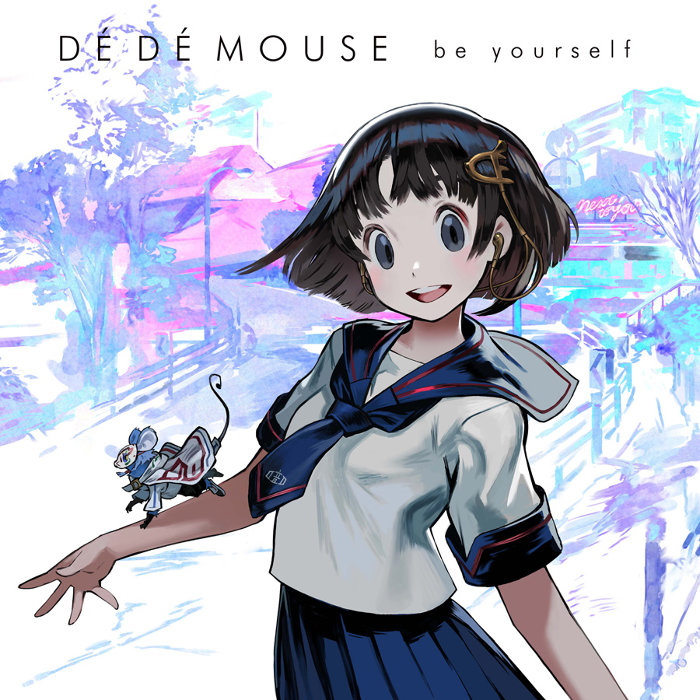
De De Mouse is a Japanese electronic musician whose been pumping out music for quite some time, but I only just recently discovered him. His past two albums Be Yourself and Dream You Up are fucking glorious dance records that seamlessly blend together glitch-IDM elements with four-on-the-floor disco beats and pure pulsing techno. Dude is my life right now.

Almost all of his music is available on the American iTunes store, look it up and give it a listen, I can’t imagine that you’ll be disappointed if you’re in the mood for happy-fun dance music. This shit is like candy it gets me going so much. They still make DDR here in Japan, if they put some of his tracks in it that would get me back in the arcade for sure.

I’ve been wanting to share his music for some time, but like I said, almost all of his music can be bought legally in the states, so I was hesitant to. Fortunately, his latest album came with an extra one-track bonus CD only available at Tower Records. You can’t grab that in the states, and I highly doubt that I’m cutting drastically into his sales by sharing it here tonight.

“Glass Of Heart” is a fantastic example of the De De Mouse sound, distorted vocal samples layered upon wonderful booming beats and an infectious upbeat energy that reminds me of the best late-70s disco and 80s house had to offer. It’s a mish-mash of everything that I love in dance music. Bombastic and beautiful all at the same time. God damn it’s good.


Inoyama Land
Shuffer (Live 2018)
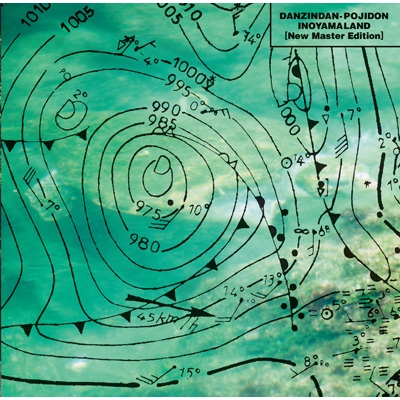
I’ve only written about this group once, all the way back in 2014. They’re an ambient duo who were signed to YMO’s Yen Records label back in the 80s. Their first album, 1983’s Danzindan-Pojidon is one of my favorite ambient records, very chill while still managing to hold my interest with enough melodies and hooks, a very delicate balance that most ambient acts can’t manage very well.

They’ve put out a few other albums since then, one as recent as this year. But I think that most of them are compilations of unreleased or live material, or reworkings of past tracks. Additionally, none of them really hold a candle to that first release, which is just light years beyond anything else they ever put out. Of course, of all their records, their first and their best was the one that was out-of-print the longest. In recent years I saw it going for well over a hundred bucks on either CD or LP. Thankfully, it’s back in print, and with a new remaster to boot!

Just like the De De Mouse record prior, some locations selling this CD are including a bonus CD with a single bonus track, this one a live rendition of the 1983 album’s opening number. Give it a listen, and if it’s at all something that you think you might be into, consider tracking down a that first album now that’s it’s a little easier (and a hell of a lot cheaper) to get a hold of. It’s even on iTunes too! All this Japanese music becoming available on US digital marketplaces…such a weird thing.

There’s so much horrible ambient music out there (shit, even Inoyama Land have released more of their fair share of it) so when honest-to-goodness great ambient music comes along, I always want to do my best to get the word out. As I get older and more stressed out, I find myself drawn to this stuff more and more. I guess that’s kind of a stereotype? I don’t know or don’t care if it is. I just know that my brain is broken and this stuff can be a band-aid on occasion. I guess they call it healing music for a reason.

I dunno, Motorhead can heal me too, it’s just a different kind of medicine.


Ride on That Freeway Of Love

August 30th, 2018

Aretha Franklin
Freeway Of Love (Rock Mix)
Freeway Of Love (Radio Mix)
Freeway Of Love (Extended Remix)

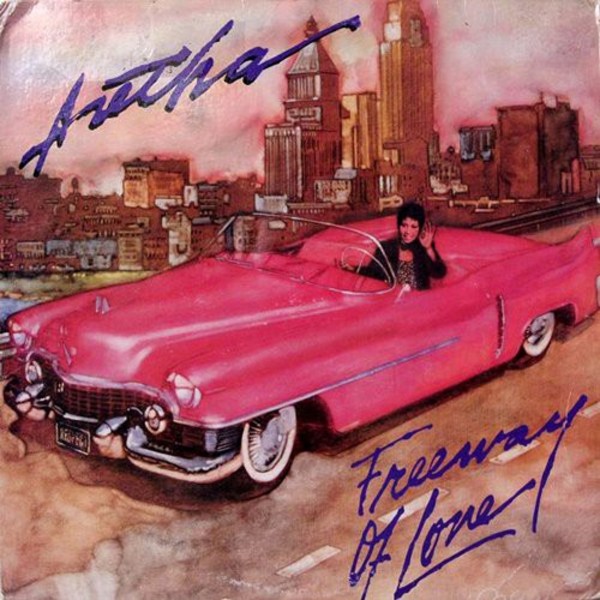
Like most anyone who grew up in the 80s, my first exposure to Aretha Franklin was in The Blues Brothers, quickly followed by this massive hit single from 1985. In the days after her death, I saw a few “best of” Aretha lists on various publications, but not many people mentioned this song. I assume they think it hasn’t aged well? I’m no Aretha expert, I own a single album of hers and a greatest hits. But this has always been one of my favorite songs of the era, it’s the type of fun, bouncy track that could’ve only been produced in the 80s.

It’s 80s synth funk-pop is the best. When you toss out that phrase most people (of course) think of Prince and Michael, but they were far from the only people in the 80s who successfully fused 70s disco and funk with 80s dance and synthpop. There’s Aretha here, and let’s not forget Tina Turner, who scored the biggest hits of her career when she melded her classic sound with uber-sleek 80s production. And what about The Pointer Sisters? Break Out, their synthesizer-fueled magnum opus, is one of the greatest dance albums of all-time, I stand by that.

This sound died quick once the 90s hit, and I feel like it only recently made even the slightest comeback. “Uptown Funk” tapped into it, but it was kind of a false start. Not much came in the wake of that, save for Bruno trying to replicate it with his solo work (which is alright I guess). I blame Trump. Yes. For real. We were on our way to a full-on dance-pop revolution and then that orange piece of rotten smegma got elected and pop music got horribly depressed (and hey…ditto). I guess most people don’t want to boogie when the world is on fire.

Well, I do! I need to boogie! I get that everything is shit and it feels like nothing is ever going to be good ever again. And in times like this, more emotional, downbeat music is of course going to be more popular. And protest or angry music is going to have a place too (I wish it had more of a place, to be honest). But let’s not forget to have fun, people! Pop music is so dour right now, hip-hop is emo as fuck, indie rock is tweeing itself to death, and mainstream rock is still stuck in a 2000s post-grunge slump that I think it’ll never get out of.

Fun music still has a place in today’s decidedly unfun world. You can fight the power, campaign for social justice, be aware of how shitty the world is and listen to fun music now and then. The 80s wasn’t all sunshine and lollipops y’know, but we still kicked it to dope jams like this.

Crank this tune. Listen to Aretha sing about men in tight pants. Take in that dope sax solo by Clarence Clemens, as well as the vocal harmonies of Sylvester and Jeanie Tracy, and remember that it’s okay to have fun once and a while, even if the music of today doesn’t always let you.

The Psychedelic Electronics of the Japanese Electric Foundation

August 24th, 2018

Japanese Electric Foundation
Open Your Eyes
Don’t You Care
Green Tambourine

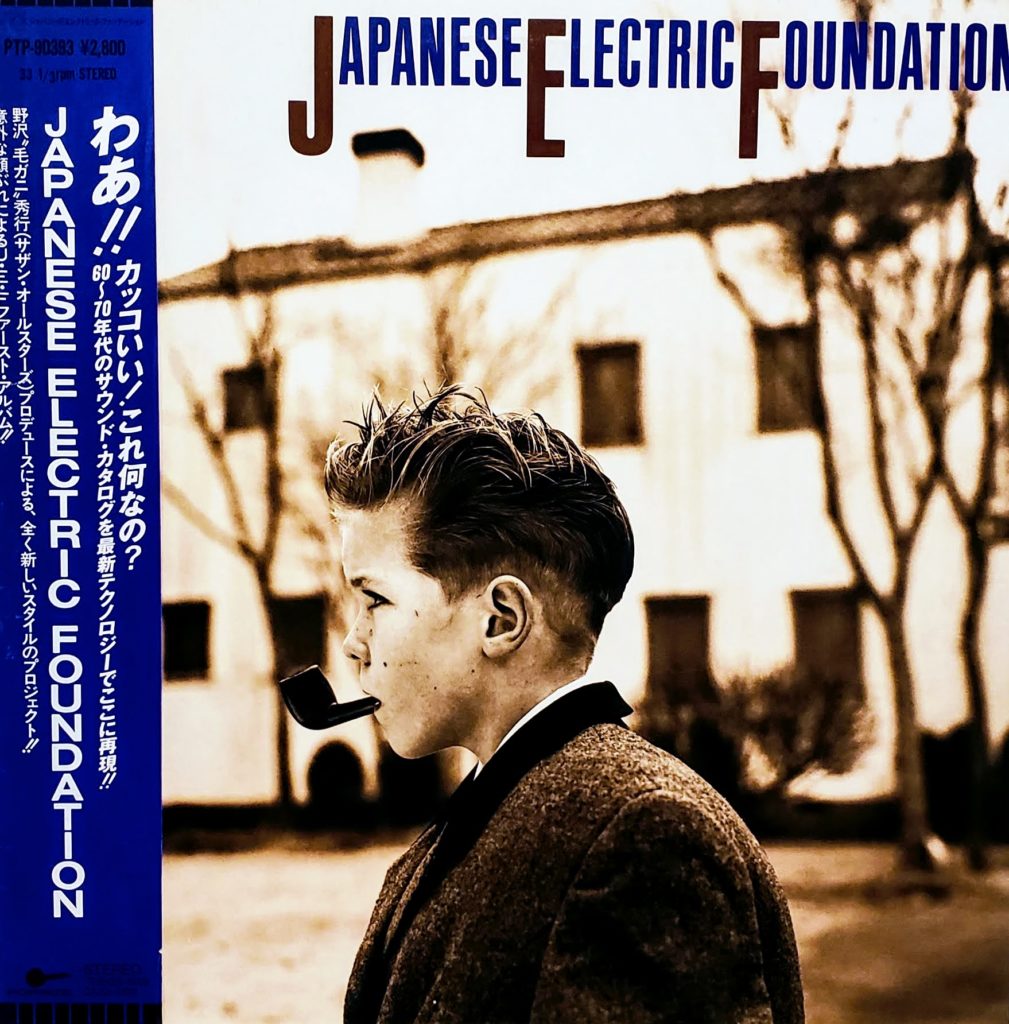
The Japanese Electric Foundation was a one-off project comprised of several Japanese musicians, the most notable of them being Hiroshi Matsuda and Hideyuki Nozawa, who are both in the Japanese megagroup Southern All-Stars.

Southern All-Stars are a ridiculously big deal here in Japan, probably the biggest rock band of all-time. Bigger than YMO, bigger than Mr. Children, bigger than X Japan. They’ve been around for 40 years and have more hit singles than any band ever.

I don’t like them. I think they’re kind of boring. But hey what do I know?

Anyways, I didn’t know that this was a SAS side-project when I bought it, I just gave it a quick listen at the record store because of the name (I misread it as “electronic” and assumed technopop or new wave). It’s actually reminiscent of the Madchester scene of the late-80s, which is really incredible considering this came out in 1986, well before most notable Madchester releases by acts like The Happy Mondays and The Stone Roses dropped.

I think the sonic similarities are just a coincidence. Madchester is psychedelic electronic rock music. This is electronic-influenced covers of psychedelic pop music from the 60s and 70s, so the commonalities make sense.

There are non-covers on this album, but to be honest they’re the weaker tracks, sounding much more like generic Japanese rock music of the era. I prefer these covers by far. As far the original versions go, you probably know “Green Tambourine,” the psych-classic by The Lemon Pipers. You also most likely know “Don’t You Care,” which was originally performed by The Buckinghams (trust me, you know it). Finally, there’s “Open My Eyes” which was originally a Nazz song, Nazz being the psychedelic group fronted by Todd Rundgren. I vaguely recognize the original, but for me it’s the most obscure of the three, it’s also the best of the bunch, really good arrangement.

The psychedelic pop music of America and the UK was hugely influential for Japanese musicians, even leading the way for an entire genre of music in Japan that was known as “group sounds,” which was Western style rock music meshed with Japanese pop music from the 60s. Go to YouTube and check out The Spiders if you want to hear some of that. The Southern All-Stars were never a “group sounds” band, but they were no doubt influenced by them, and I have to imagine that played a big part in this side-project of theirs choosing the cover songs that directly led to that genre. Also Todd Rundgren is fucking huge in Japan so there’s that.

I wish they would’ve kept this group up for a bit. The original tunes aren’t great, but who cares? The covers are so original and fun that they more than make up for it. And who knows? With a bit more influence from the burgeoning Madchester scene, this group really could’ve been something.

Or they could’ve just given us an entire LP of Rundgren covers, who’s to say.

A Gay Disco Deep Cut by Beckie Bell

August 19th, 2018

Sorry for the lack of posts for the past two weeks. I place blame on a variety of factors, including a heavy work load, heat-induced malaise, and various other minor health annoyances. Although I guess most of those would be bullshit reasons next to my recent obsessive playing of Dead Cells. I could’ve written a novel with the time I sunk into that game last week. I guess I’m saying that recommend it if you want a really good excuse to procrastinate and accomplish literally nothing with your life.

But I thought I would take a back from the procedurally-generated nonsense and give you some gay disco.

Beckie Bell
Super Queen
Johnnie’s Home

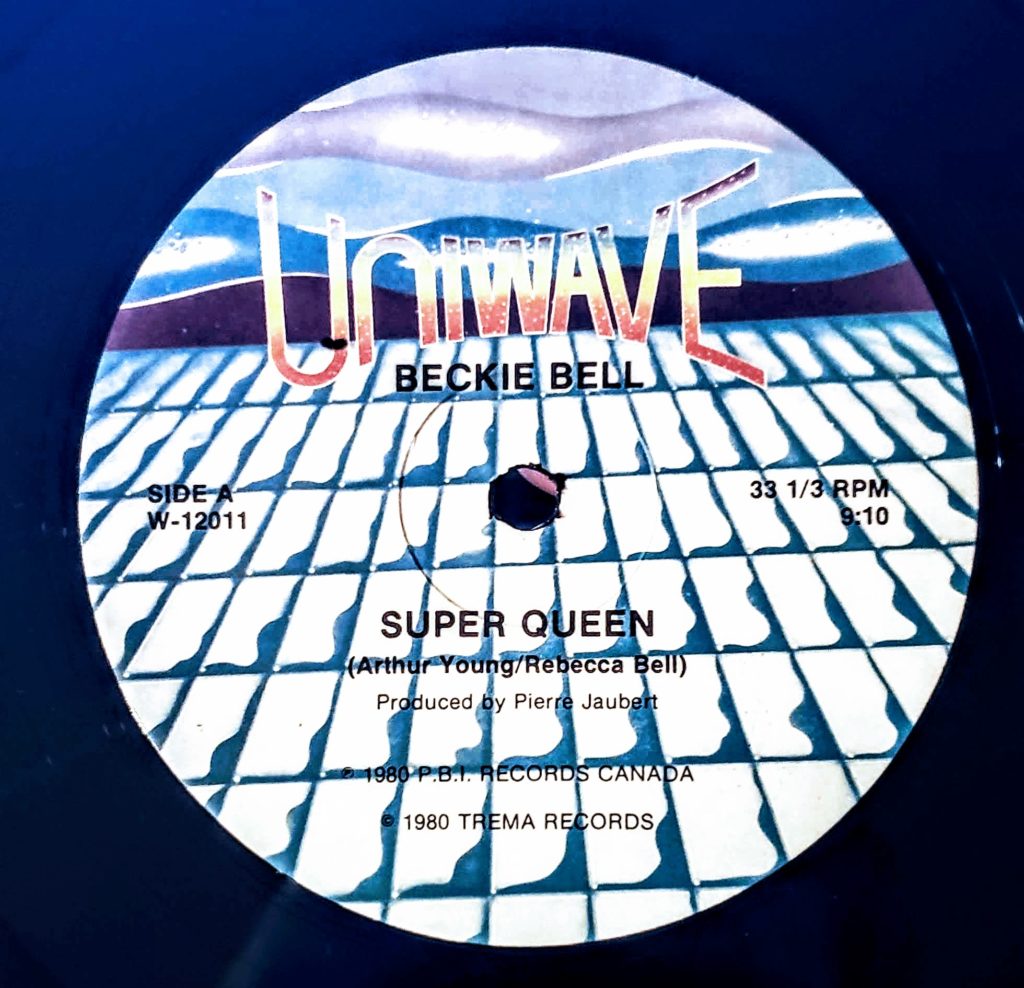
Saw this 12″ single in a record store a few weeks back and was about to pass it up when I noticed that “PATRICK COWLEY” was written on the label in all caps, followed by a bunch of kanji I couldn’t even begin to read.

From what I found online, “Super Queen” features synthesizer work by the Hi-NRG master, although with the caveat of it being uncredited. I’m liable to believe it, why would someone make that up after all, but how do we know it was him? Anyone out there care to present corroboration to back up this claim?

The b-side is “Johnnie’s Home,” which is a radically different tune to “Super Queen.” While the A-side is a marvel of Hi-ENRG sequences and beats, “Johnie’s Home” is just weird. It’s part doo-wop and part reggae almost, with a strong synthesizer bent. It’s like if The Shrielles, The Ronettes, and UB40 did a mash-up. Does that make it sound bad? Because it’s not, it’s just a little out there.

I bought this track because of Cowley, but the songs are by Beckie Bell, who released her first album back in 1980, and put out a follow-up some 14 years later. That original album must have a following, as vinyl copies can seemingly go for over $100. CDs are much cheaper, if you’re interested. I’ve never heard of Bell before I bought this single, but it turns out that I have heard her voice since she worked as a session player throughout a good chunk of the 80s and 90s. She’s one Duran Duran’s Big Thing, The One by Elton John, and even shows up on a few records by Celine Dion. The career paths of incredibly talented sessions players will never cease to amaze me.

Pan-European Krautrock

August 3rd, 2018

I put up a new blog post over on Mostly-Retro where I talk about walking around Tokyo at 6:00 am and listening to Yes (two of my favorite things). It’s a bit different, but if you read it and like it let me know, I plan on writing more things like it in the future.

Also a quick request. Anyone out there have any experience with app development for the Android? I recently upgraded to the new Samsung Galaxy. I love it, but Samsung removed a few key features from their photo editor that I really like, mostly just some simple filters/effects. If anyone out there would know how to put new filters into the Samsung Photo Editor, I would make it worth their while (i.e. I would pay actual money). Let me know.

Now three very long songs.


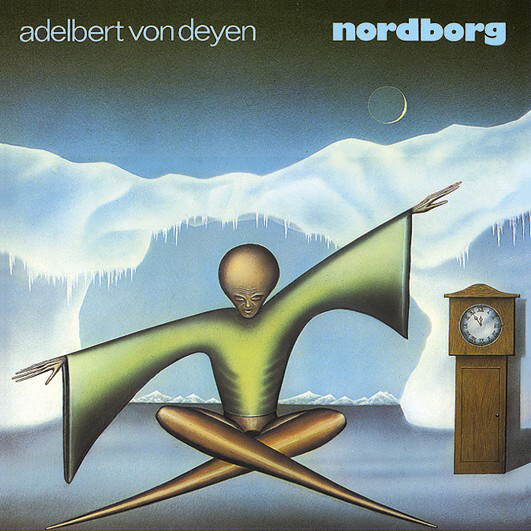
Adelbert Von Deyen
Iceland
There are a lot of holes in my musical knowledge. For example, I still have never listened to a My Bloody Valentine album (I know I know, leave me alone). Another big gap, especially for someone with musical tastes like mine, is that I’ve never taken a deep dive in the more well-known krautrock acts. I love Harmonia and have most of their albums, and I’ve spoken in length about Tangerine Dream in the past, but I still don’t own much Amon Duul (I or II), Neu!, Cluster, Moebius, and so on.

That’s probably why I had never heard of Sky Records until recently. Sky was one of the major labels of the Krautrock/Berlin School movement, most notably putting out the Cluster/Eno collaborations of the late-70s. I’m becoming a fan of the label now, having realized that a lot of the old Germn prog/electronic music I’ve been buying lately (mainly reissues by Harald Grosskopf and Tyndall) was originally put out by them back in the 70s and 80s.

Even among Sky Records artists, I think that Adelbert Von Deyen is relatively obscure, if prolific. He pumped out nine albums between 1978 and 1987, but most of those remain unreleased digitally or on CD.

I’ve only managed to stumble upon Nordborg, his 1978 sophomore effort. Very much in the Klaus Schulze style, it is just two longform pieces, one on each side. The first track, “Moonrise,” is super avant-garde and ambient, with nary a melody, rhythm or motif to be found. It’s purely soundscapes and sonic experimentation. It’s not for everyone. This track, however, is a tad more digestible, complete with a steady beat and beautiful piano sections. I love this stuff.


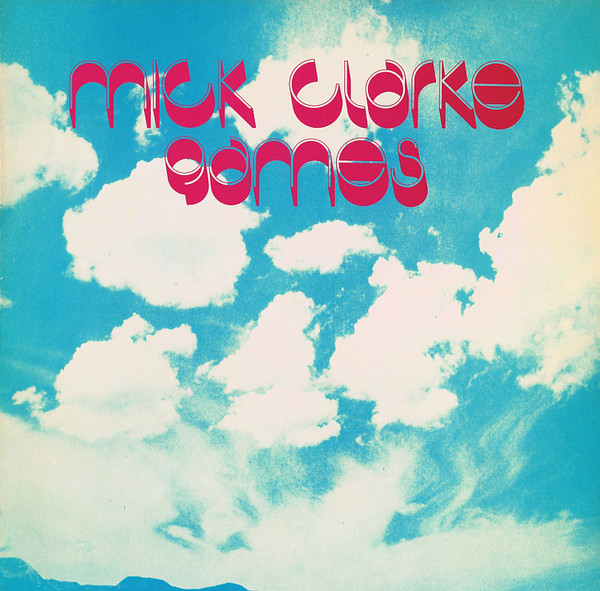
Mick Clarke
Spectro
Mick Clarke strikes me as a guy who rolls with the punches. A Brit, Games, his first album was recorded in Germany in the krautrock style on the minor German label Blubber Lips. Since then, he’s seemingly dipped his hands in nearly every electronic music style I can think of, from new wave and synthpop to hardcore techno and house music, releasing music with various groups and under a number of aliases. I’m not familiar with his work at all, but it does appear that his new wave group Naked Lunch, has some degree of notoriety among the more die-hard synth enthusiasts out there.

This is the first track from Games, clocking in at over 17 minutes and taking up the entirety of the album’s first side. It’s split into two distinct parts. The first half is very ambient, with an emphasis on textures and effects instead of strong melodies. The second part shifts focus to sequencer patterns, with a slightly dark edge to them. It’s like Tangerine Dream but a little menacing.

Of these three songs I’m sharing today, this is the most noisy. The LP had some dust and other damage I couldn’t remove physically or digitally. It gets better after the first minute or so though. Sorry about that.


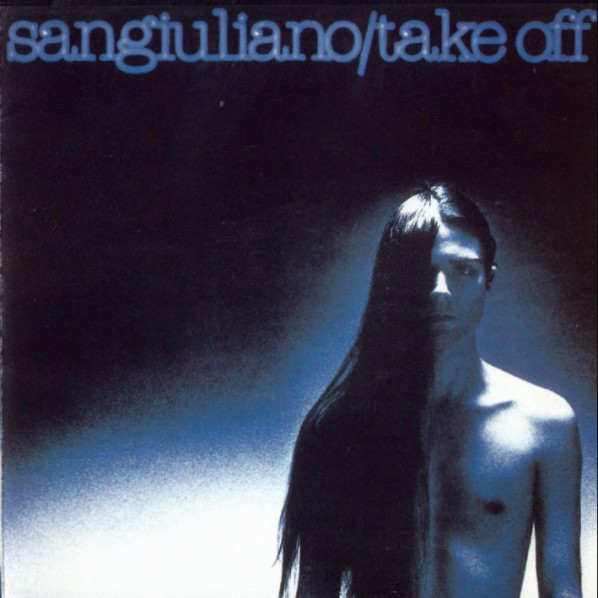
Sangiuliano
Take Off
I don’t know if it’s accurate to call Sangiuliano the “weirdest” of this bunch. All three of these guys are quite out there, but I feel it’s safe to say that, of these three artists, his music is the least typical. Instead of following in the Berlin School/krautrock styles of Amon Duul, Tangerine Dream or Cluster, Sangiuliano seemed far more content to combine his electronic musical leanings with classical influences. His pieces sounds like concertos from space. Everything about his music seems to be intent on copying classical orchestrations entirely with synthetic instrumentation. A symphony with a choir could perform this piece and it wouldn’t sound that out of the ordinary from other classical pieces, until it goes full synth at the end with an explosion of sequencers.

Sangiuliano never released another album, although he allegedly recorded one that ended up shelved by his record company. According to his Discogs page, he’s now a radio personality in his native Italy. Wonder if he kept the hair.


Fuck Up Nazis and Listen to David Bowie

July 22nd, 2018

I haven’t been all that political on my blog as of late. To be honest, it’s just been too damn draining, but I felt the need to speak up against this, only because I don’t feel like enough people are.

In case you haven’t been paying attention, James Gunn was fired from Guardians of the Galaxy Vol. 3 because a man who bragged about sexually assaulting women and a Nazi started a smear campaign against him.

In a world where everything seems to be falling to shit all around us, I know it might sound trite to have this be a hill I’m willing to die on, but fuck this. This is emblematic of everything wrong with American discourse. Bad faith actors, “fake news,” public shaming, hypocrisy, and the ever-growing shamelessness of the right-wing, who slam a man for jokes he apologized for all while praising a President who admitted on video to sexually assaulting women.

I can’t do much to fight against this, all I can do is share this petition asking for Disney to give the man his job back, and not to kowtow to literal Nazis and literal rapists. Please sign and share it. Let them know.

Also, if you see horribly-written, poorly researched articles about the topic (like this one or this one), maybe comment or email the writers. Let them know how you feel about them being taken on as useful idiots for a right-wing smear job designed only to silence anyone who speaks out too loudly against Trump. Remind them that any article about Mike Cernovich that doesn’t feature the line “a man who has admitted to sexual assault and condones rape” is fucking up. Remind them that Jack Posobiec is a LITERAL NAZI who spreads Nazi propaganda and codes his messages with Nazi symbolism.

And don’t forget that it’s always okay to fuck up a Nazi.

Okay, now David Bowie.

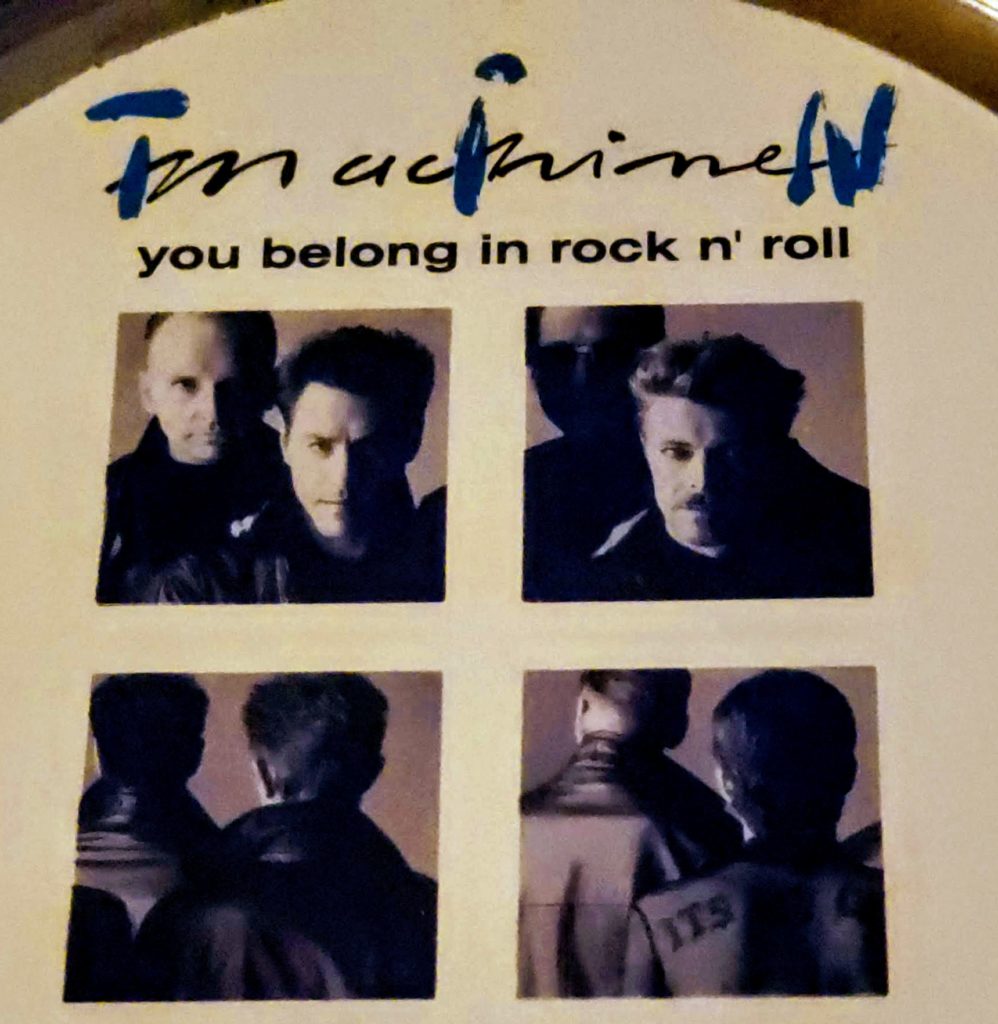
Tin Machine
You Belong In Rock ‘N’ Roll (Extended Mix)
Amlapura (Indonesian Version)
Shakin’ All Over (Live)

I’m really interested in hearing the upcoming Loving The Alien David Bowie box set, which covers the artist’s much-maligned mid-80s output. I’ve always though that a little bit of that kickback was unwarranted. Let’s Dance has a few bad songs on it, but it’s a good album. Ditto for Tonight. I will fight anyone who tells me that “Blue Jean” is not a wonderful 80s pop song.

Of course, there was a lot of less-than-stellar stuff there too, the most obvious being Never Let Me Down, the only album in Bowie’s discography that he seemingly disowned completely. That’s why I’m so interested in buying the box set, as it will include an entirely remixed and redone version of the album that will hopefully strip out some of that horrible 80s production and polish some of those songs into the gems that I know they can be.

It really can’t be understated just how bad that album is though. If it was an album by a band, it would’ve caused them to break up. It led David Bowie to do the opposite and form a band, Tin Machine, just so he could escape from being David Bowie for a while. Yeah, Tin Machine wasn’t perfect either, they also had seemingly had a miss for every hit, but they were at least different, and they really gave Bowie a good place for him to experiment and re-invent himself for the 90s, where he reached another creative high-point, in my opinion.

I occasionally read that the Tin Machine albums served as a precursor to grunge, and while I love them both dearly, I certainly can’t see that. Tin Machine’s sound may be stripped down, but it’s certainly not raw. These albums still sound like slick 80s rock albums, just slick 80s rock albums that are a little less bombastic than what else was going on at the time.

“You Belong In Rock ‘N’ Roll” was the lead single off of the group’s second album, and it failed to light up the charts anywhere. It’s a great tune, if a bit odd. It feels like a cross between “Low” era and “Let’s Dance” Bowie; brooding and off-kilter, but still pop. Not an easy balance to make, but Bowie (of course) pulled it off just fine. Can’t believe it bombed.

The original version of “Amlapura” is an album cut, this version, recorded in Indonesian, was exclusively a B-side and has never been re-released. Same for this live cover of “Shakin’ All Over,” which features a short-but-dope-as-fuck solo by Reeves Gabrels. Wonder if these will get remastered and repackaged for the next Bowie box set? Those things have been really random with the rarities, so it’s hard to tell.

Enjoy the Bowie. And pleas don’t forget to sign that petition.

And if you feel the need to comment in praise of Cernovich, don’t fucking bother, I screen comments for a reason.

Japanese Electro-Jazz for Dangerous Days

July 17th, 2018

I’ve been buying a lot of extremely out-there records lately, so many that I put together a whole blog post about them over at Mostly-Retro. It didn’t feel right writing about them here as they were all in-print in some way or another, and I don’t like to spend too much time writing about music here if I can’t share it, that’s kind of the point of an MP3 blog after all.

Tonight’s music is definitely out-of-print, in fact, I don’t think it was ever commercially released in the first place. Shit, I can’t even find it streaming on YouTube.

Toshinori Kondo
China Boogie
Black Port
Antonio Fire

When I comb through old Japanese records there are a few names I’m always on the lookout for. A lot of my favorite Japanese artists from the 70s and 80s just as often appeared on other artists’ records as they did their own, so I never know where they’ll turn up. One such artist is Yasuaki Shimizu. I’ve been into his stuff for the past few years now and I can’t believe that this is the first time his name has come up on this site.

Shimizu is primarily a jazz saxophonist, but he’s popped up all over place through the years, playing a variety of instruments across all kinds of genres. He’s developed a bit of a cult following in the West for a pair of albums; his 1983 album with the group Mariah, their amazing Utakata No Hibi, and his 1982 solo album Kakashi. Both albums are monumental works that defy all attempts of categorization. Dope as fuck shit that melds jazz, synthpop, rock, ambient, you name it. Not a day goes by where I don’t see copies of either hanging in a record store. They’ve become mainstays of the Japanese music scene and are some of the most influential records of their generation.

But like I said, the dude has been around. He’s shown up on some Ryuichi Sakamoto albums, a couple of records by Kazumi Watanabe (former YMO guitarist) and has even contributed to a few works by Towa Tei. I never know where he’s going to show up, so I always keep an eye out.

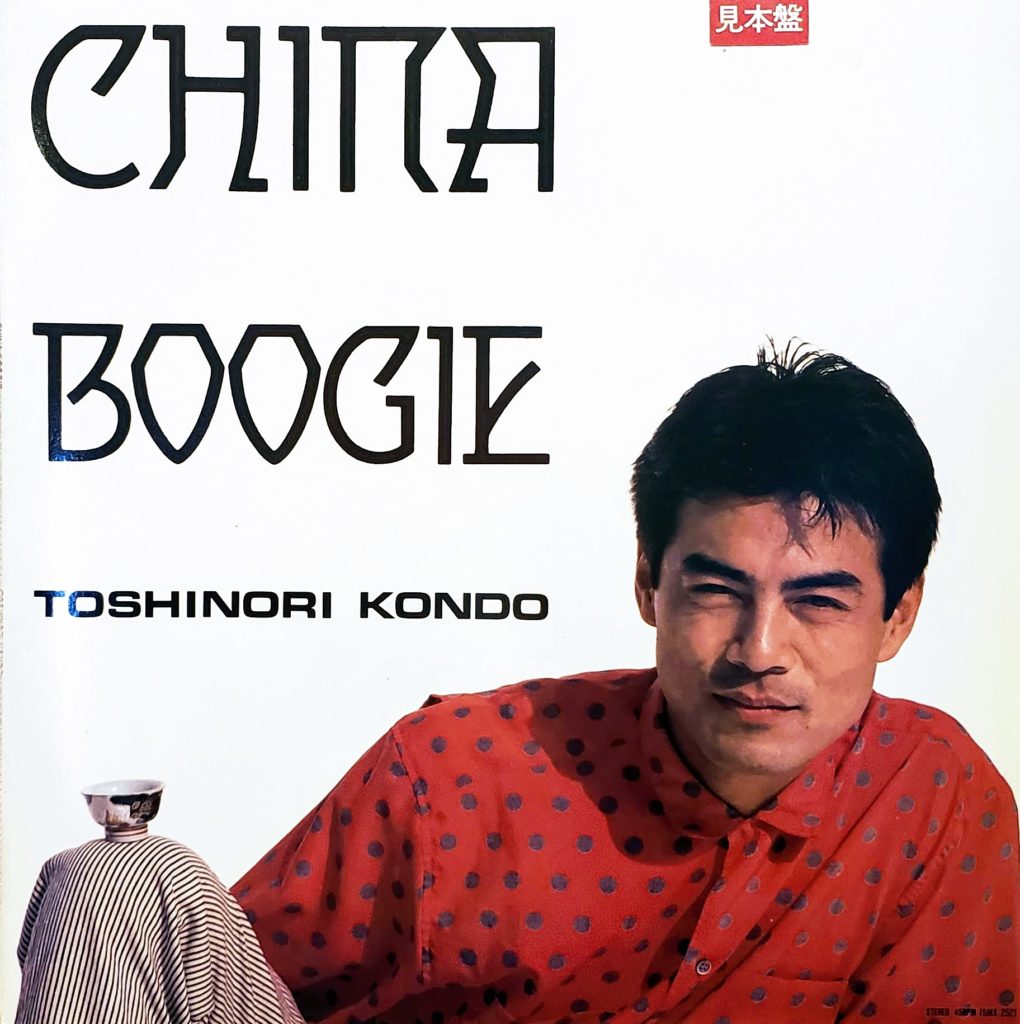
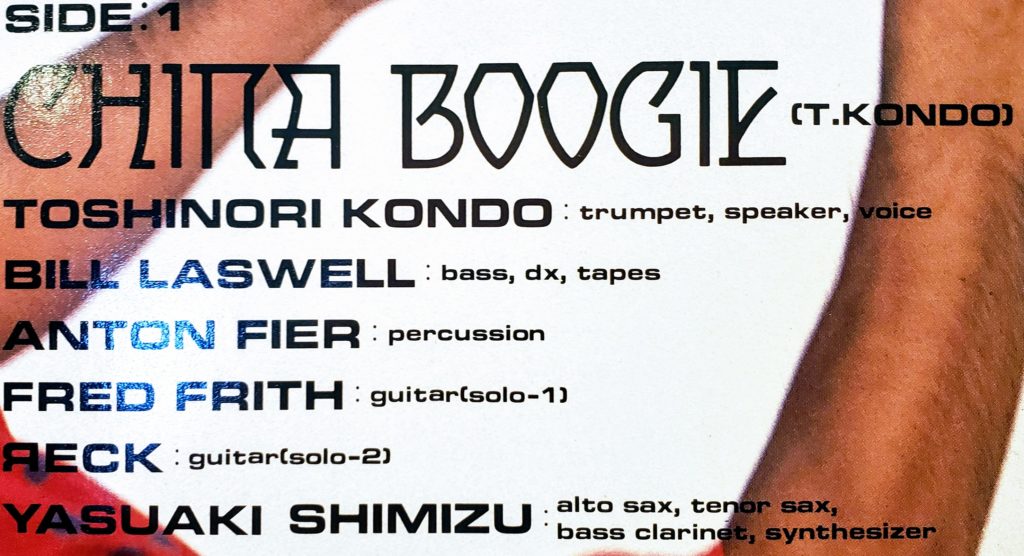
My diligence paid off recently. With this album’s rather lazy cover, I nearly skipped right past it in the bins, but I checked out the back cover just to be sure, and lo and behold, I found Shimizu’s name, alongside some other notable performers as well. Playing with Shimizu on this promo-only 12″ single are legendary experimental guitarist Fred Frith and bassist/producer extraordinaire Bill Laswell (who keeps popping up on records I buy because he’s literally on almost everything). That’s a hell of a line-up.

You might recognize Laswell’s name from Herbie Hancock’s electro-jazz masterpiece Futureshock, and that can give you a pretty good idea as to what this sounds like. It’s hyper-sample heavy electro-jazz/funk. The only thing that makes it sound more jazzy than Hancock’s similar work is that the primary instrument, the trumpet, remains entirely acoustic.

That trumpet is played by the person whom this track is credited to, Toshinori Kondo. Again, like a lot of the music I’ve been sharing lately, I don’t know a ton about him. I know he’s been releasing music since the late 70s, and most of it is jazz, especially of the free improvisation and abstract variety. But he also occasionally dips his feet into more electronic things like this. He’s worked with DJ Krush a few times, and released a dub record in 2002 called Nerve Tripper. I hope can I dig more into his discography in the future, save for the free improvisation stuff. Not my thing.

I love this kind of stuff though, it’s dated in a way that most 80s music isn’t. You see retro synthpop and hair metal act all the time. No one is making stuff like this anymore.