Archive for the ‘Complete Albums’ Category

Easy Going – Claudio Simonetti’s Inappropriate Disco

Wednesday, May 16th, 2018

Easy Going
Fear
I Strip You
To Simonetti
Put Me In The Deal

Easy Going was an Italian Disco act that featured horror rock icon Claudio Simonetti. While Simonetti’s involvement with such a project might be surprising for fans of his work with Goblin, it wasn’t the only time that he was involved with dance music. Around the same time of Fear, Simonetti was working as Capricorn, pumping out a few singles from 1980 to 1982. There was also Kasso, probably the best known of his disco aliases. He released three albums as Kasso in the 80s, with the first two being very widely acclaimed by fans of electronic disco. Like Kasso and Capricorn, Easy Going was more or less a Simonetti solo project. The album has a multitude of performers, but Simonetti composed, arranged, conducted and produced the album, with lyrics by Giancarlo Meo.

Also like Kasso and Capricorn, Easy Going is a good example of Italo-Disco. For those not familiar with the genre, it is disco from Italy (duh) that blends the disco sound of the 70s with the Hi-NRG and synthpop sounds of the 80s. The best cuts from this album, the first two tracks, are both very Italo-Disco, very Moroderesque, while the latter two are decent examples of more traditional disco.
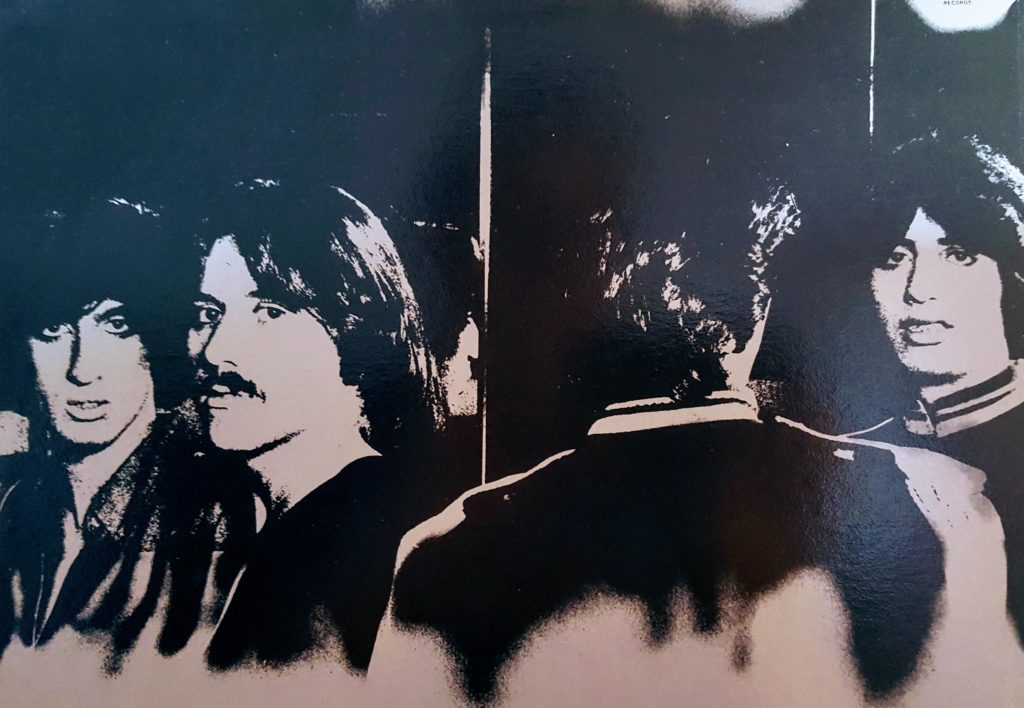
“Fear,” sounds like a horror remix of “I Feel Love,” with a pulsing sequencer rhythm wonderfully punctuated by some ominous-sounding strings and intense vocoder-aided vocals (along with some random screaming). And then there’s “I Strip You.” It’s halfway between traditional disco and electronic music, with just as much strings as keyboards and sequencers. It’s a really powerful, funky song with a fantastic groove…that seems to be from the point-of-view of a potential rapist, maybe?

You made a mistake
Don’t play games with me, girl
You made a big mistake
And now you’re staying here

Furthermore, he seems to be willing to commit this crime just because he wants to disprove rumors that he’s gay?

This way you won’t say
That you think I am gay
To the people you won’t say
That you think I am gay

But wait, maybe he is gay! Because as the song ends…

Now that you’re turned on
I don’t want you now, girl
So now you’re free to say
The truth that I am gay
It’s better that I go
I don’t want you no more
You’ve got the reason to say
To say that I am gay

So he was gay all the time and he was just fucking with her? Or he was gay and he was trying to convince himself that he wasn’t? Or he can only be with women when they’re not interested? This is a weird track. It sounds like a treatment to an unmade Argento film that was turned into a club track.

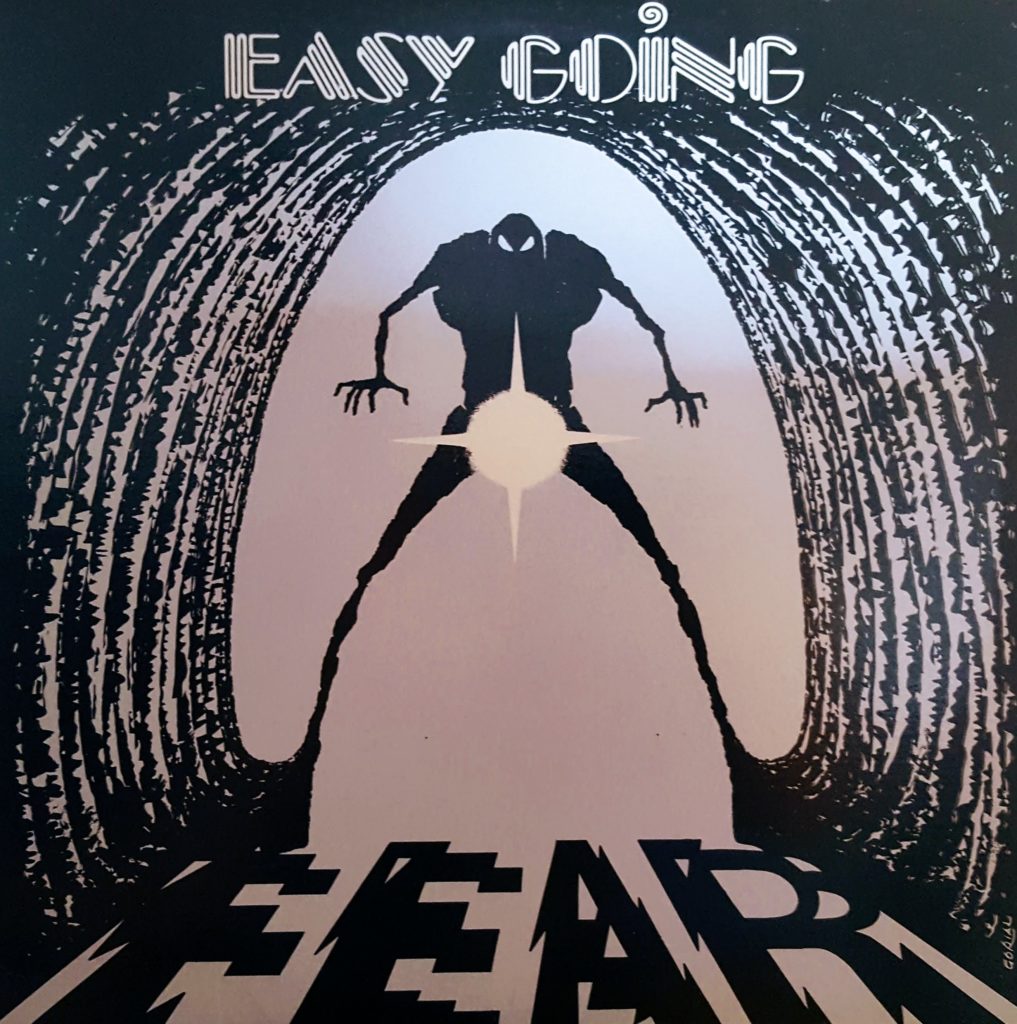
It should be mentioned that Easy Going was named after a gay night club. The cover of their first album is an explicit piece of art that was part of the club’s dance floor. It has a song called “Little Fairy.” Their third album has a cover of “Gay Time Latin Lover.” I have no idea if anyone involved with Easy Going was actually gay, but they were certainly playing with the idea that people must’ve thought they were. I’m sure there’s something icky about the politics of that, but I don’t want to bother going there.

Regardless of all of this, these tracks are certainly better than the Capricorn disco cuts I’ve heard, and actually make me interested in tracking down those first two Kasso records. I assume they have less songs about potential sexual assault and ambiguous sexual orientations.

I mean, I don’t know for sure, but it’s a safe bet.
Disco for exhibitionism – Penthouse’s Let Me Be Your Fantasy

Sunday, April 1st, 2018

The Love Symphony Orchestra
Let’s Make Love In Public Places
Let Me Be Your Fantasy
At The Football Stadium

Oh boy, where to even begin with this one.

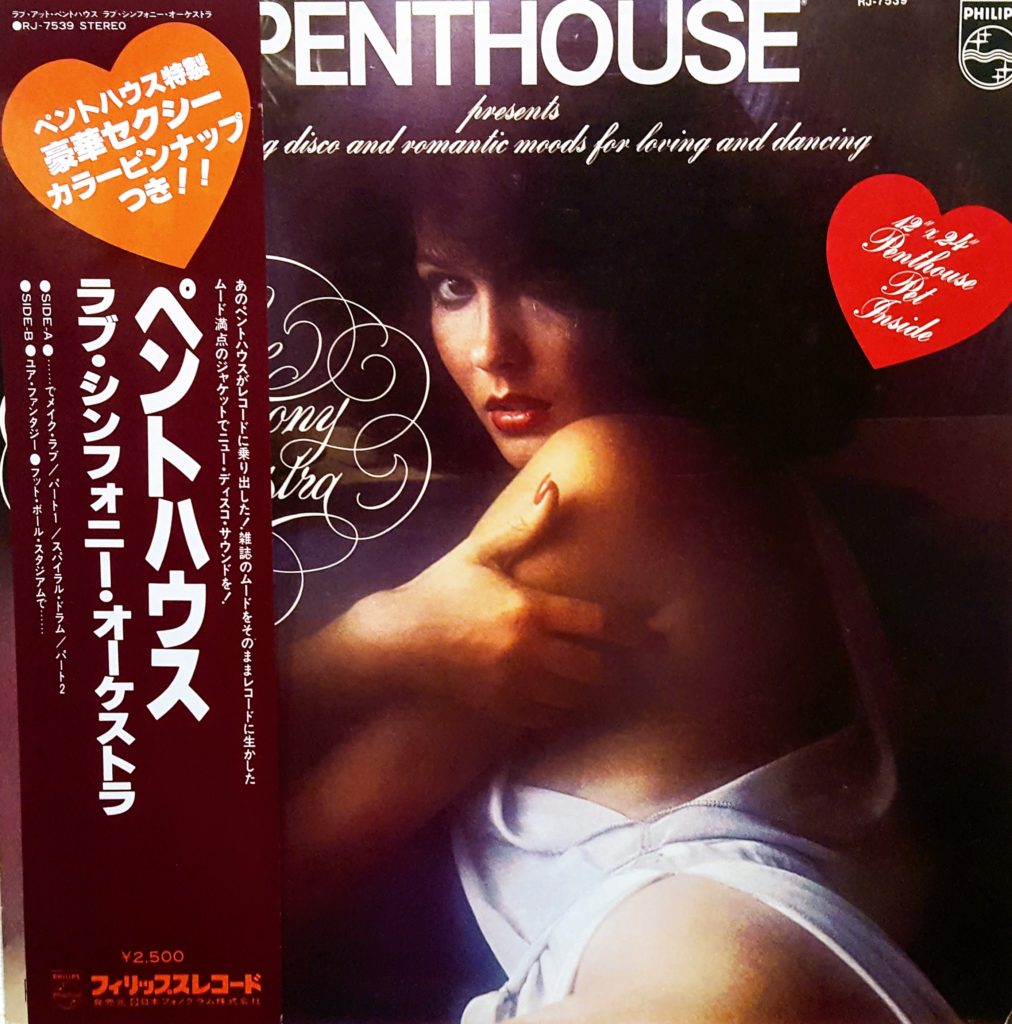
I suppose I should get the obvious out of the way; yes, Penthouse actually released a record. In fact, from what I can gather, they actually released two records. This one in 1978, and a follow-up the year later which also featured The Love Symphony Orchestra entitled Messdames Ce Soir (the typo in “Mesdames” is theirs, not mine). That album is predominately covers, but this one is all original material – and I suspect is all the better for it.

The back cover lists two tracks, “Let’s Make Love In Public Places” and “Let Me Be Your Fantasy.” But that’s actually misleading in multiple ways. Firstly, the album has a third track, the decidedly unsexy-sounding “At the Football Stadium.” But in actuality, all of the tracks are really just sections of a multi-part suite, that for all intents and purposes is “Let’s Make Love In Public Places.” That’s both the thematic and musical glue that holds all three numbers together. The chorus of the main track makes an appearance in the other two tracks.

This is longform disco, which was very much the style of the time. Acts like Donna Summer and Grace Jones were putting out albums that had entire sides dedicated to a single track. This is before the idea of the “dance remix” really took hold. You wanted to craft a 12-to-17 minute banger that would really take hold of the dance floor.

In case you couldn’t already guess by, well, literally every single thing I’ve said about this record, it’s entirely about sex. More specifically, it’s about banging in public. The entire first section, all 13 minutes of it, is an ode to lewd behavior in public, complete with a spoken word interlude by a woman desperate to convince her man to get down to business outside.

Oddly enough, the second part, “Let Me Be Your Fantasy,” offers a slight argument for doing it behind closed doors, with the male counterpart taking the vocals to exclaim that he wants to “make love alone in private.” But his viewpoint is almost immediately shut down once the chorus for the original track returns. This woman wants to get down in public and this dude sure as hell isn’t going to stop her.

And she finally gets her wish with the grande finale “At The Football Stadium,” where the two characters get down to business…at the football stadium (duh). A few absolutely horrible football-as-sex metaphors are exchanged (“On the next play come inside our huddle/don’t care who wins as long as we score”) before the chorus of the title track returns once more and segues into an extended instrumental outro.

The only member of Love Symphony Orchestra that Discogs lists on the group’s page is Matthew Raimondi, a violinist who mostly works on classical music now. But if you dig into the page for this album, you’ll find more detailed information. A lot of people worked on this album, some really talented people at that. Andy Newmark from Sly & The Family Stone played drums, and the Blues Brothers’ Lou Marini is here as a flutist. Everyone on this album is on a billion other albums, many of which you’ve probably heard. Check out their Discogs’ pages and discover the wonderful rabbit hole that is exploring the work of session musicians.

I don’t know if I really like this record all that much, even though it is more than technically proficient and definitely well-produced. But I do know it’s funny as hell. I really appreciate its enthusiasm and commitment to its cause/mission statement of fucking in public. This is more or less a concept album dedicated to lewd public indecency, and I respect that.

Regardless, you certainly don’t hear anything like this these days. So if you want a throwback to a sound that is long forgotten, give it a listen. Just don’t hold me responsible for any laws you might break if you find yourself inspired after the album is finished.


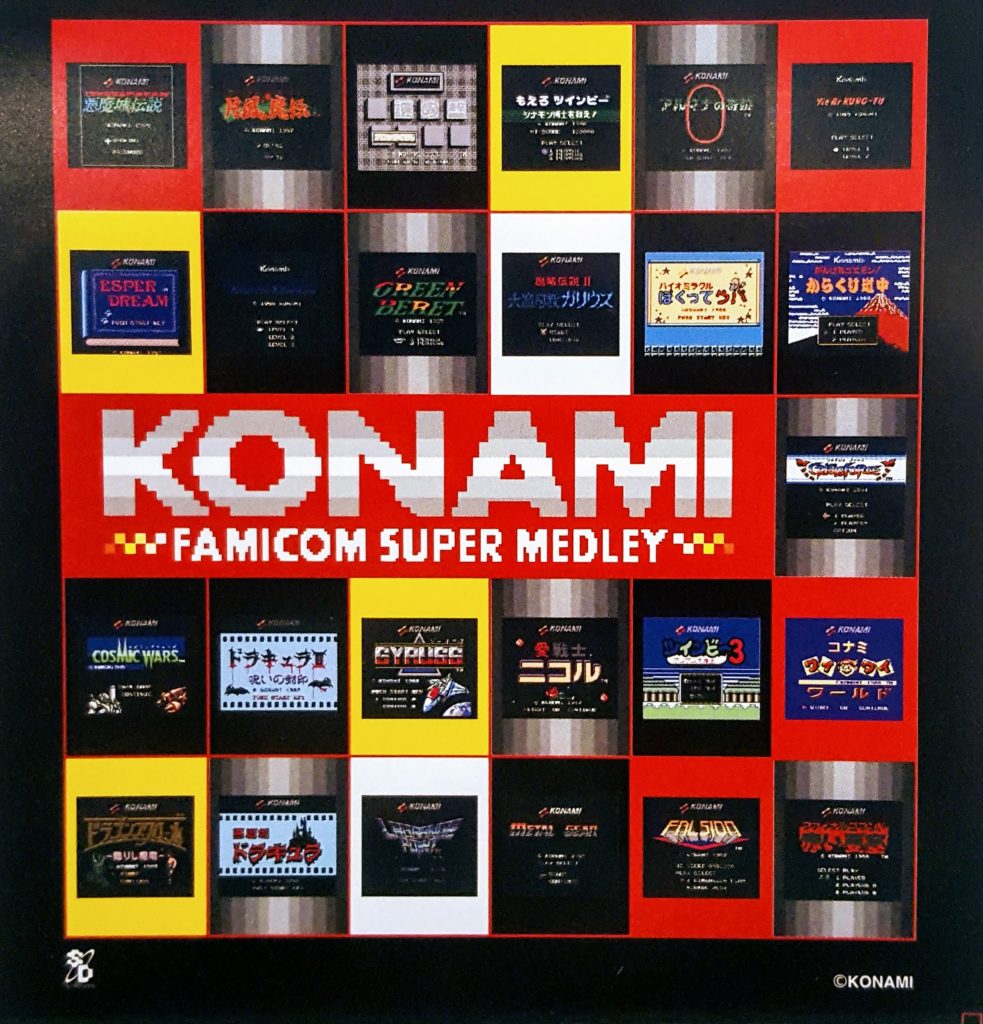
The Konami Famicom Super Medley

Sunday, March 11th, 2018

Osaka was amazing. I saw incredible castles, temples, shrines. I went to two amazing aquariums. I ate so much wonderful food that my stomach is still angry with me. And, of course, I went to as many record stores as possible and bought a billion records and CDs.

Almost everything I bought was obscure and out-of-print. It looks like I have plenty of material for this site for the next few months if not a year. However, very little of it was “traditional” Lost Turntable content. Only got one 12″ single of an artist any of you have probably heard of. The rest of what I found was either obscure electronic music, Japanese prog, Japanese jazz/funk or video game soundtracks. So I hope at least some of that sounds interesting to you, because that’s what you got coming up for the next few months most likely.

Y’know, stuff like this.

Konami
Famicom Arranged Medley
Famicom Original Remix Medley
Famicom Super Medley
All of these are “arranged” and/or “remixed” so I don’t understand the names behind these tracks. The opening “Arranged Medley” is probably the worst of the three though. It just takes a bunch of arranged versions of Konami tracks and mixes them together while an horribly bland backbeat plays throughout. I mean, it’s not terrible, the source material is certainly great, but when compared to the tracks that follow it certainly falls flat.

Because the other tracks are really great. The “Original Remix Medley” is a much more pure presentation of the source material, using the original game audio alongside some added sound effects and beats. It’s not as smooth as the “Arranged Medley,” some of the cuts are a bit jarring, but the overall experience is much better. The original tunes are so strong that they stand on their own, they don’t need the lame backbeat of the “Arranged Medley’ to support them.

That’s not to say they can’t benefit from the remix or arrangement treatment, because they certainly do with the “Super Medley.” This track takes the most liberties with the original songs, re-recording them entirely with new instrumentation and accompaniment. Of the three, it is the most fun, and works the best as a proper medley. The segues between the tracks are smooth and natural, lacking the out-of-place cuts of the “Original Remix Medley” and not relying on a tired backing track like the “Arranged Medley” does. It’s also super energetic, almost like a stadium house track. If The KLF were given orders to rework Famicom tracks, I think it might sound something like this track. Dope shit all around.

Disco Beatles Octopus

Friday, March 2nd, 2018

I wrote a thing about how Queer Eye pissed me the hell off. Also penned a piece about some recent re-releases of 80s J-pop gems you need to track down. Also have a planned review of the Super Mario Odyssey Soundtrack if I can make my way through all of it enough times in order to form a writable opinion. It’s four discs!

In other news, next week I am going to Osaka for the very first time and I am incredibly stoked. I’m going to go to the massive aquarium. I’m going to check out all the cool museums. I want to see the amazing parks and gardens. And of course, I’m going to go to as many record stores as my boyfriend will allow.

You all saw that coming, right?

I’ve already done my research, I have a map, I got a plan, I’m good to go on this. But if anyone in the know wants to recommend a record store in Osaka to me, I’m going to going to stop you.

Now Disco Beatles. I’m sorry.

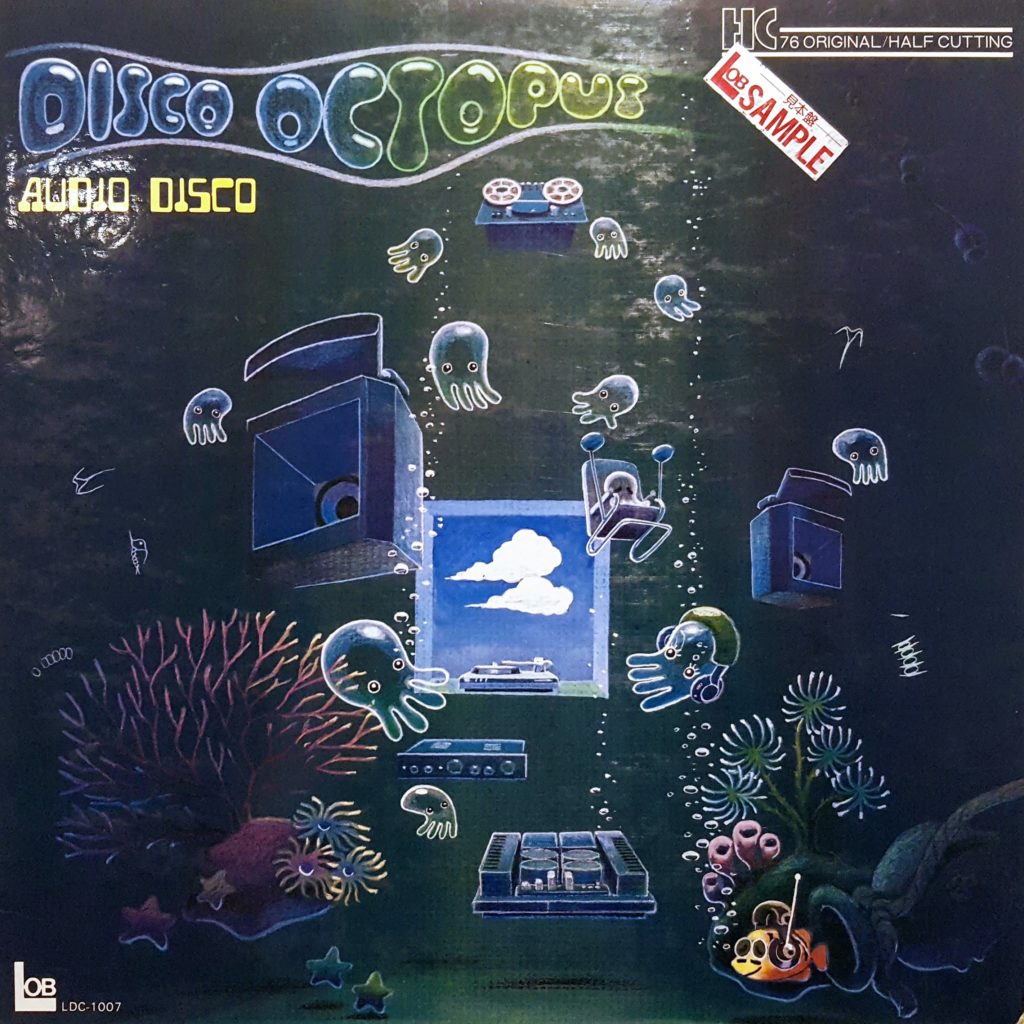
M. Uehara & His Disco Makers – Disco Octopus
Cover caught my eye, “disco Beatles covers” caught my wallet. Although it wasn’t much of a fight, this record was only abut five bucks and I was rather depressed when I saw it. I really should be careful when I go record shopping depressed. On the one hand, I can afford the retail therapy so yay, it makes me feel better. On the other hand, I end up with over a dozen anime soundtracks and I don’t know why.

I bought this hoping for some J-funk. I’ve mentioned before that Japanese funk is the secret best funk because it combines funk, jazz, disco and sometimes even electronic music in really amazing ways. What I ended up getting was much more disco, although I guess I really shouldn’t be surprised or disappointed about that. It’s not like the album was committing false advertising. The name of the group is “Disco Makers” after all.

But it’s still a halfway decent album. The opening cover of “Octopus’s Garden” isn’t great, but the covers of “Lady Madonna” and “Hard Day’s Night” are my jam. The albums closes strong with a funky take on “Sgt. Pepper’s Lonely Hearts Club Band” too. In between those bangers are covers of “Hey Jude” and “Let It Be,” as well as a medley that features “Ob-La-Di, Ob-La-Da,” “She Loves You,” and “Get Back.” The medley isn’t bad, but both “Hey Jude” and “Let It Be” are probably two of my least favorite Beatles tracks. And even the most ardent “Hey Jude” defender would have to admit that it doesn’t really lend itself to the disco treatment. It’s just too slow. Ditto for “Let It Be.” Neither of these covers sound like disco, they sound like bland instrumental versions performed by an airport hotel house band.

But who were the Disco Makers, and who was their frontman, M. Uehara? Great questions, I have no idea! Can’t find anything in English about this dude or his group. I really have to step up my Japanese game at some point so I can at very least track down a modicum of information on acts like this. I’m sure there’s some insane Japanese person out there who has written about stuff like this, i.e. my Japanese doppelganger.


Super Gun Super Funk Super Awesome

Monday, February 12th, 2018

I know I’ve mentioned this a few times already, but writing this blog is becoming increasingly difficult. Three times last week I sat down to write a post only to realize the songs I wanted to write about and share were already in print, or I covered them years ago. I’ve been doing this thing for over ten years after all.

So, don’t expect any rare or hard-to-find cuts by mainstream or even well-known cult acts for a while. Of course, that could change, I could stumble into a lucky 12″ single like I did with that PWEI one. But I don’t expect it. Instead, expect more weird Japanese synth-pop and strange experimental electronic records from the 70s. As that’s what I’m digging the most at the present time.

Also expect really odd shit like like.

SUPER GUN MOTHERFUCKER.

I’m not one for sound effects records, because they’re kind of pointless. I bet if I would’ve been aware of their existence when I was a kid I would’ve dug the shit out of them. But as an adult I really don’t need a collection of car sounds or thunderstorm ambiance.

I certainly didn’t think I needed a compilation of gun sound effects, but hey, sometimes you surprise yourself.

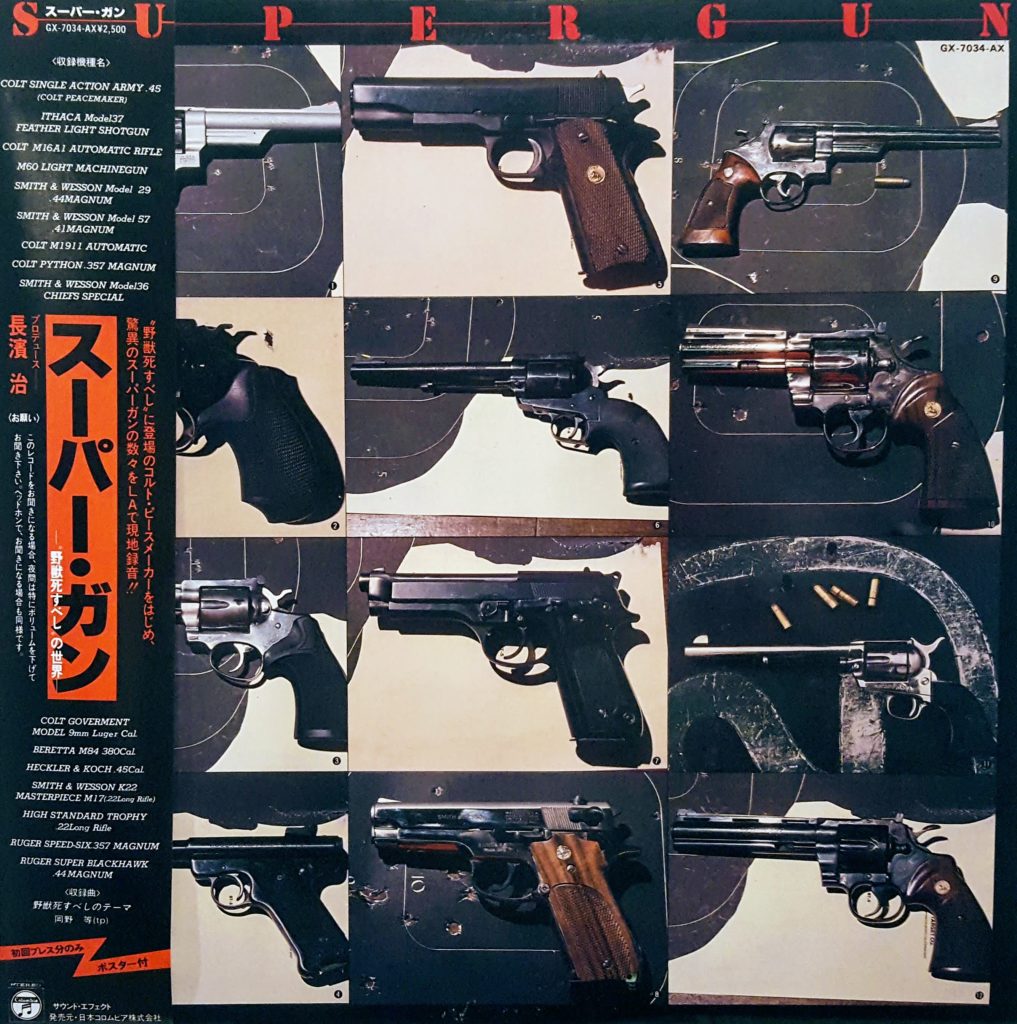
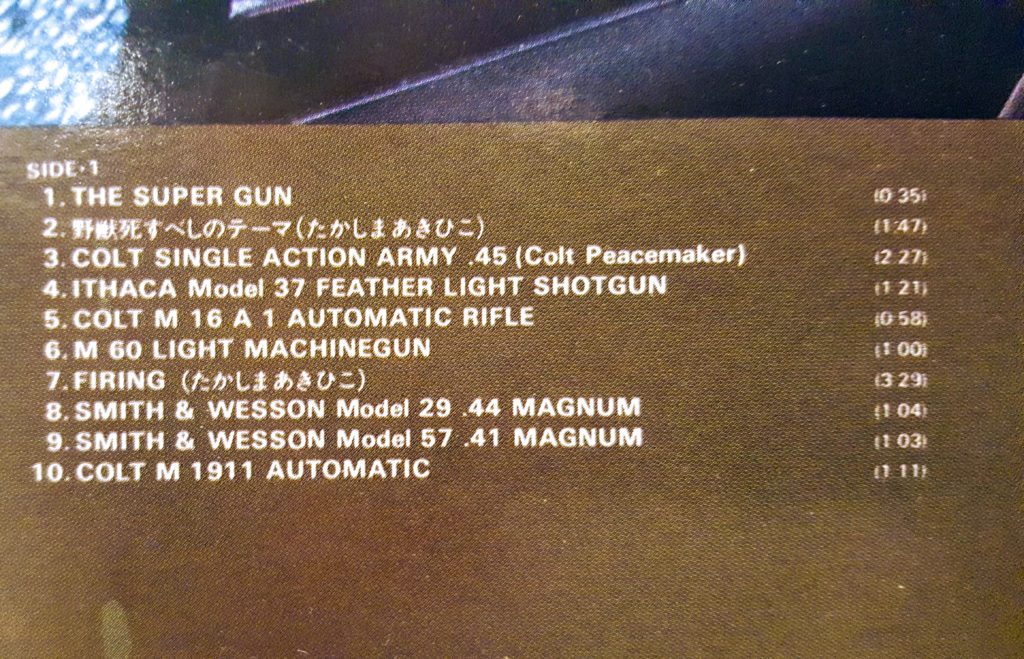
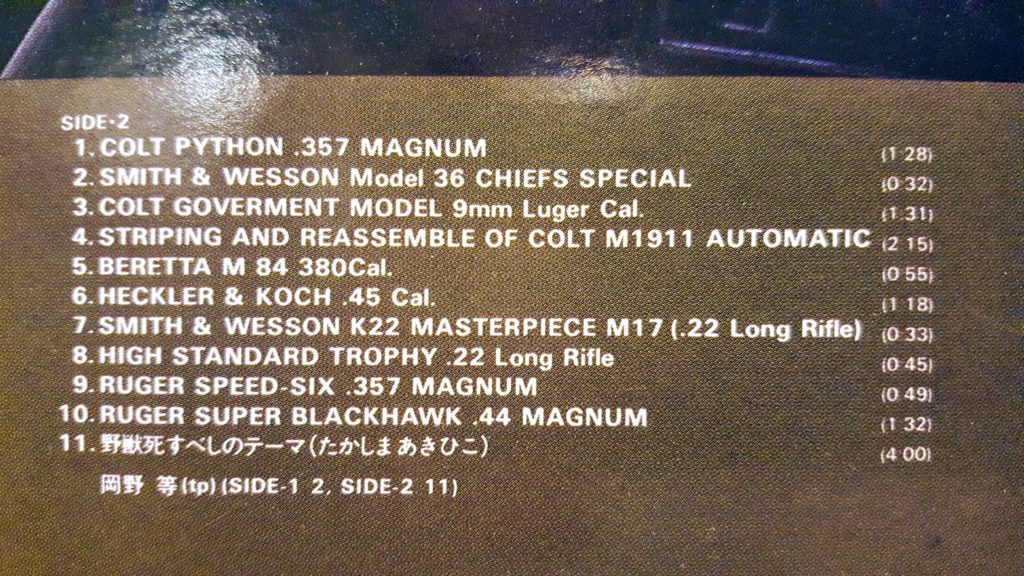
This is actually a bit more than just sounds of guns going off, so don’t quit on me yet. This is Super Gun, and as far as I can gather, it’s a companion album to the film The Beast Must Die, a movie about a reporter who goes off the deep end and embarks on a violent crime spree. What better to accompany a dark and disturbing film than an album that demonstrates various gun sound effects with an almost fetish-like attention to detail? It doesn’t just feature the sounds of the guns when they’re being fired, it also includes introductions (in English) by American gun experts.

Oh, and it also features DOPE FUNK.

The album opens and closes with a slow jam theme that’s good but pretty much forgettable. However, after a few tracks of nothing but dudes blasting guns, we’re given a break from the ballistics and treated to “Firing,” which is three and a half minutes of groovalicious funk for funking things up.

This song is taken from the film’s proper soundtrack album, which credits Akihiko Takashima as the composer. I think this track might’ve been performed by Arakawa Band, a jazz-funk group that’s credited as the backing band on the album. Regardless of who performed it, it’s fucking rad. So much that I’m including it as a separate download.

Super Gun (Complete Album)
Firing (song only)

Want to hear all the music and gunfire that Super Gun has to offer? Click the first link. Just wanna funk out? Then click the second.

I’ve said it before and I’ll say it again, Japanese funk is the secret best funk.

His name is Ryo and he plays guitar synthesizer

Sunday, January 14th, 2018

I wrote a thing on my other site about Japanese “city pop” and how it’s becoming kind of a thing in the states to the degree that it’s now becoming kind of a thing in Japan. It’s weird.

The funny thing to me is that, in my opinion, city pop isn’t all that interesting. That is, of course, working under the assumption that city pop is an actual, definable, genre (and it’s really not). But I’m not going to harp on anyone who does dig on it. It’s different, and that’s cool.

I went through a lot of different city pop acts on YouTube, trying to find a few that might appeal to me. Usually I would find a track or two I would like by artists like Taeko Ohnuki or Junko Ohashi, but my interest would just stop there – at a track or two. They just couldn’t hold my interest.

It bums me out. I wish I could be more into this stuff. It’s funny that some form of Japanese 80s music is starting to catch on in the fringes of the outskirts of mainsteam, but it’s the one type of Japanese 80s music I’m just not that into.

You know what I am into though? Utterly bizarre cross-genre electronic music built on obscure synthesizer technology.

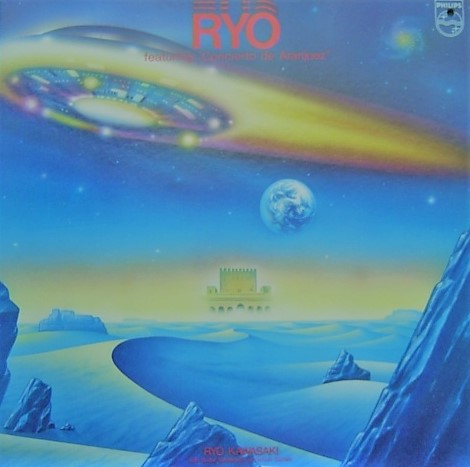
Ryo Kawasaki - Featuring Concierto De Aranjuez
I never heard of Kawasaki until a few weeks back, when I started getting his name in my “recommended viewing” list on YouTube due to all the city pop I was looking up. Aside from being Japanese though, Kawasaki doesn’t have much in common with city pop. While city pop certainly overlaps with jazz in many ways, Kawasaki is a jazz musician first and foremost, working exclusively as a jazz guitarist throughout most of the 70s.

I checked out a few of his 70s albums, and everything I heard was, at the very least, interesting. He’s a jazz guitarist, and some of his stuff is just too jazzy for me, but on some of those albums he branched out into great funk tangents. And throughout all of them his guitar playing is absolute stellar top-notch stuff.

But in the 80s he took a hard turn and embraced guitar synthesizers entirely. Of course, this is what I’m the most interested in and what I’m sharing tonight.

Featuring Concierto De Aranjuez is an experimental electronic album built almost entirely on guitar synthesizers. The linear notes explicitly state that no keyboard synthesizers were used on this record, only guitar synthesizers and a handful of drum machines. The album is split into two halves. The first half, like the title suggests, is based on the Concierto de Aranjuez by Joaquin Rodrigo. It starts out almost entirely acoustic, only using the synthesized melodies as a backdrop at first. But as it progresses the more synthetic sounds rise to the forefront. It’s a bizarre combination, like a Spanish guitarist somehow ended up on a Klaus Schulze record. Really amazing stuff.

Things go full digital on side B, with tracks like “Marilyn” barely using any traditional guitar sounds at all. It’s amazing that all of it was created using only guitar synths and drum machines. At times it really sounds like he’s using sequencers and keyboards. Incredible.

I really wanted to showcase this album tonight because I think it’s a dynamic and intriguing record. This is not simple “new age” music. This is not a fusion album. This is something different. This is something you really got to hear.

Ryo Kawasaki actually did a lot of other fascinating stuff in the 80s and I’m trying to track it down. I hope I can share more in the future.

Mario Syndrome For the Holidays!

Monday, December 25th, 2017

Merry Christmas everyone! I hope you all enjoy your holiday.

Christmas is nearly over here in Japan, and I had a decent one, considering that my boyfriend was sick and I couldn’t see him. That was a downer, but on the upside Christmas isn’t a big holiday here – meaning all the record stores were still open. And strangely enough, a lot of them were having anime/game music sales. So it looks like my Christmas gift to Japan this year was poor spending habits. I bought a lot of really weird stuff, including this!

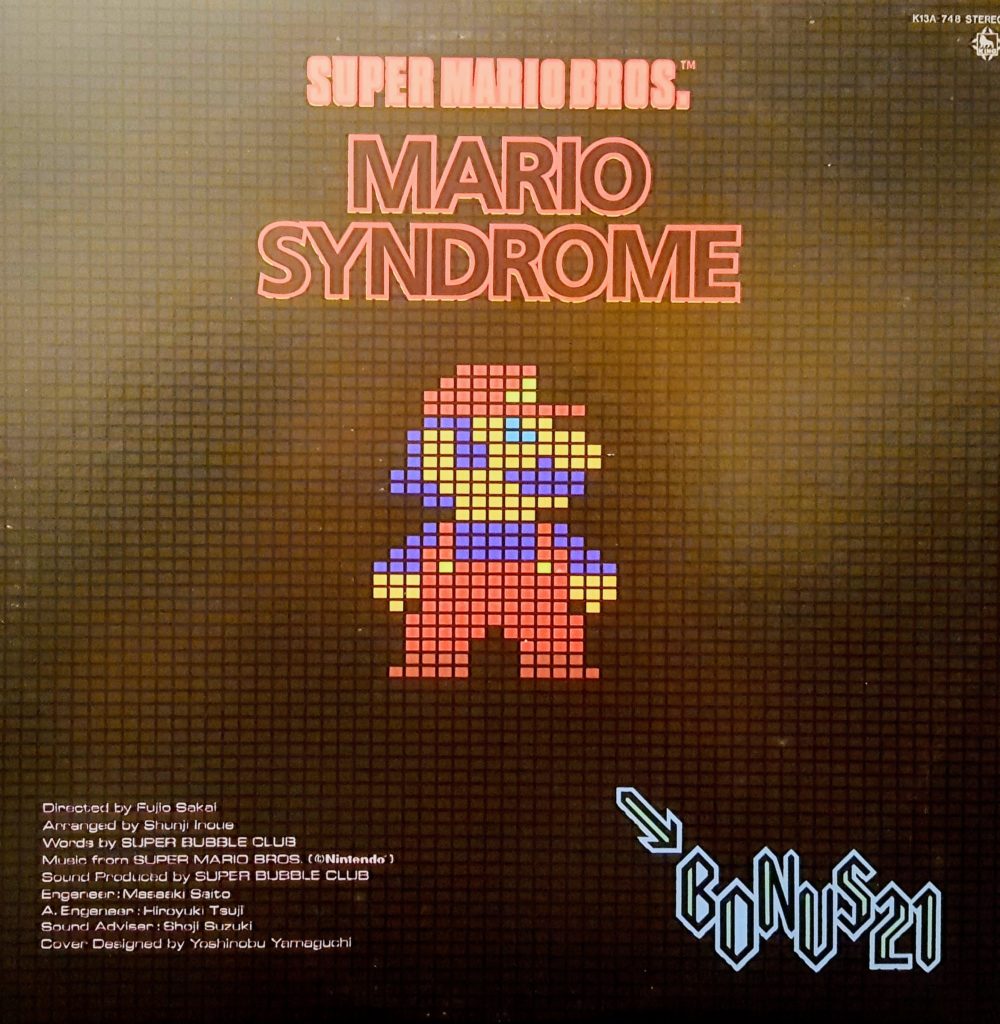
Bonus 21
Mario Syndrome
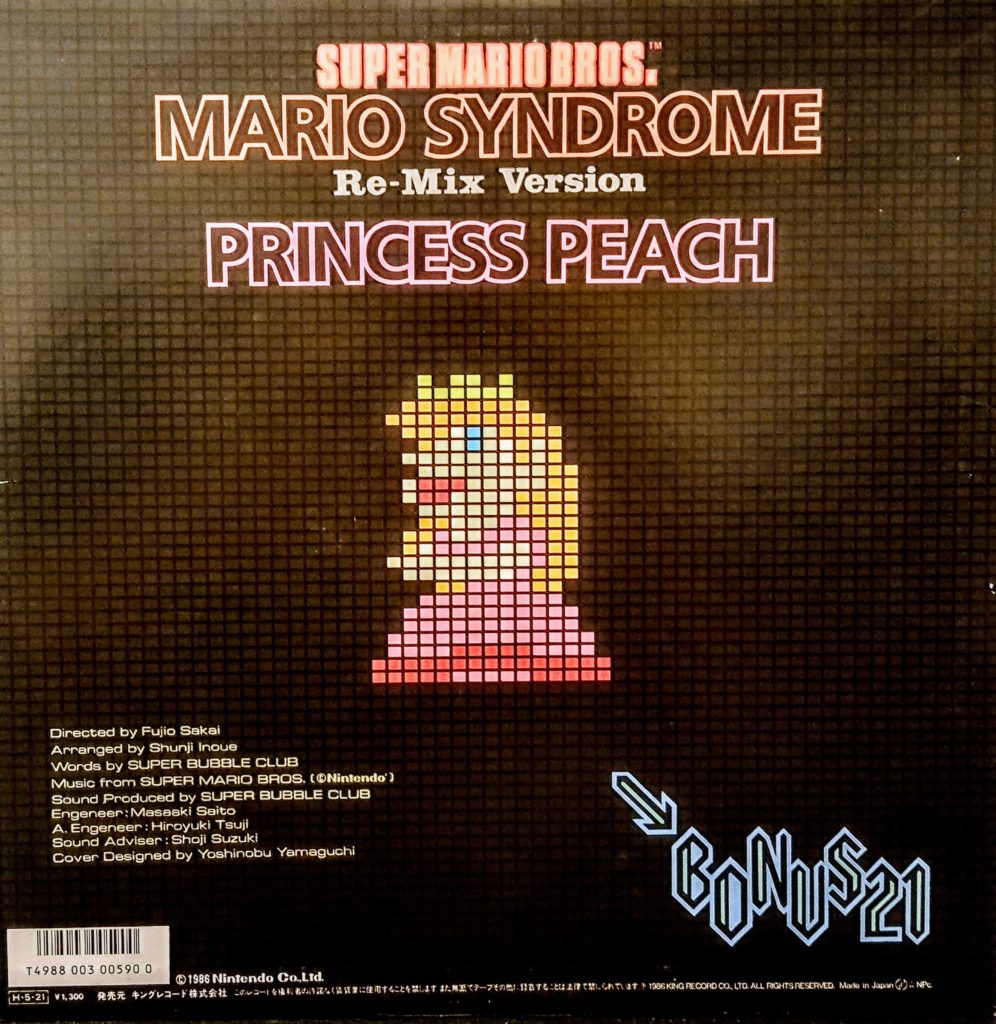
Mario Syndrome (Remix Version)
Princess Peach
I’ve actually been looking for this one for ages. It’s an early example of “arranged” (remixed) game music that takes audio from the game and adds upon it with original instrumentation and even some vocals. There are better arrangements of the Mario theme music out there, no doubt, but very few are as “80s” as this one. It’s pumped full of random samples from the game, and pulses with drum beats that were most likely taken from an 808 or equivalent software. A Japanese breakdancer cut loose to this one, I’m sure of it.

The title track and the remix are reworkings of the main overworld theme to the first game, while “Princess Peach” is a version of the underwater music, complete with lyrics. Said lyrics are entirely in Japanese, and I can only pick up every sixth word so I’m afraid I won’t be offering a translation tonight.

The credited artist here is Bonus 21, and this is their only release. The linear notes list the main members as Shunji Inoue and Hiroyuki Tanaka, who were in the pop group Neverland, they didn’t do any other game music release from what I can tell.

I have about 10 days off starting on the 27th, and I plan on hopefully getting some long in-the-works pieces done, both here and on Mostly-Retro. My health hasn’t been great as of late, but I’m finally starting to recover, so expect a lot more content next month! Once again, Merry Christmas and, if I don’t get another post out before, happy new year! Here’s hoping we all survive 2018.

Have An 8-bit Christmas with GMO Christmas Song

Wednesday, December 20th, 2017

One of my favorite YouTube channels is Lazy Game Reviews. I’m a sucker for old DOS games, and I really appreciate his dry humor and attention to detail. Last week, he shared a thrifting find, a cassette tape of “computer” holiday music. It’s not bad, but it also wasn’t what I was hoping for when I first clicked on the video. It’s too modern-sounding, and at times sounds like something you might hear pumped into a department store. It’s just not idiosyncratic or offbeat enough. And its certainly not “computer” enough.

But then I remembered that I had something that perfectly fit that description.

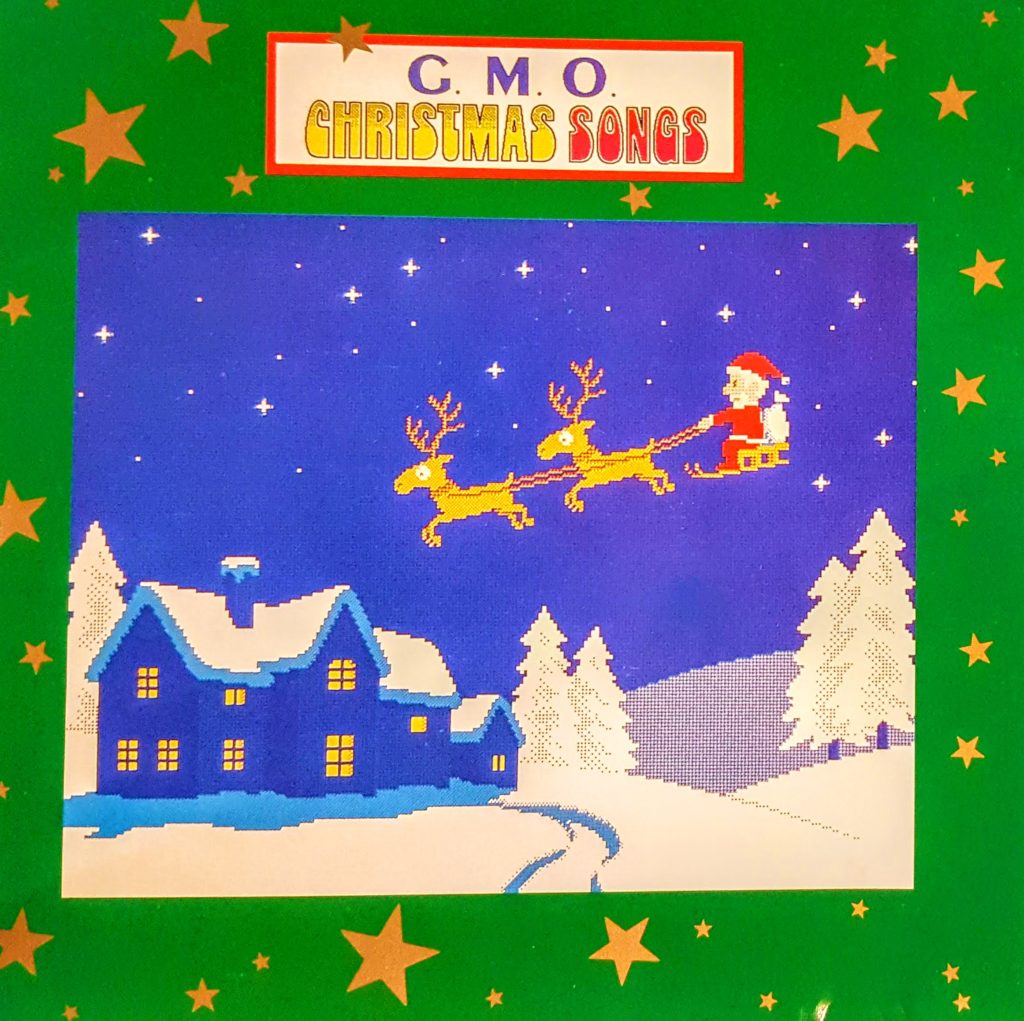
GMO Christmas Songs
This is GMO’s Christmas album. GMO was a record label founded in the mid-80s by members of Yellow Magic Orchestra. It was created solely to publish game music soundtracks. If you’ve ever been lucky enough to come across 80s game music vinyl, it was probably released by GMO.

GMO Christmas Song is the only release by the label that is not a collection of game music in some way. Instead, it is an original compilation featuring “game music” renditions of holiday classics. Today this would be called chiptune, but that word didn’t exist back in 1987, when this first came out.

The artists responsible for these 8-bit interpretations of holiday standards aren’t notable names of game music. I’ve never heard of any of them to be honest. I had to look them to see that two of them, Yashuhiko Fukuda and Nobuyuki Nakamura, are rather accomplished anime composers. But don’t let that discourage you from checking this out, it’s a lot of fun.

I have no idea as to what equipment this music was performed on. While it’s obviously going for an 8-bit style, it sounds just a bit too advanced for that. I wouldn’t be surprised if it was made on a PC-88 or something like that though.

Hope you enjoy the silliness. Have a chiptunetastic holiday!

Chill Out with Anime Ambiance

Friday, December 15th, 2017

How you been?

In the past three weeks my computer died, my three-year visa was denied (leaving me with another shitty one-year visa) and my body decided to revolt against me (again), striking me with what I think might be a recurring bout of atypical pneumonia.

So what I’m saying is, I don’t want to hear any complaints about tonight’s musical selection. It’s my shitty month and I’ll listen to ambient soundtracks of anime if I want to.

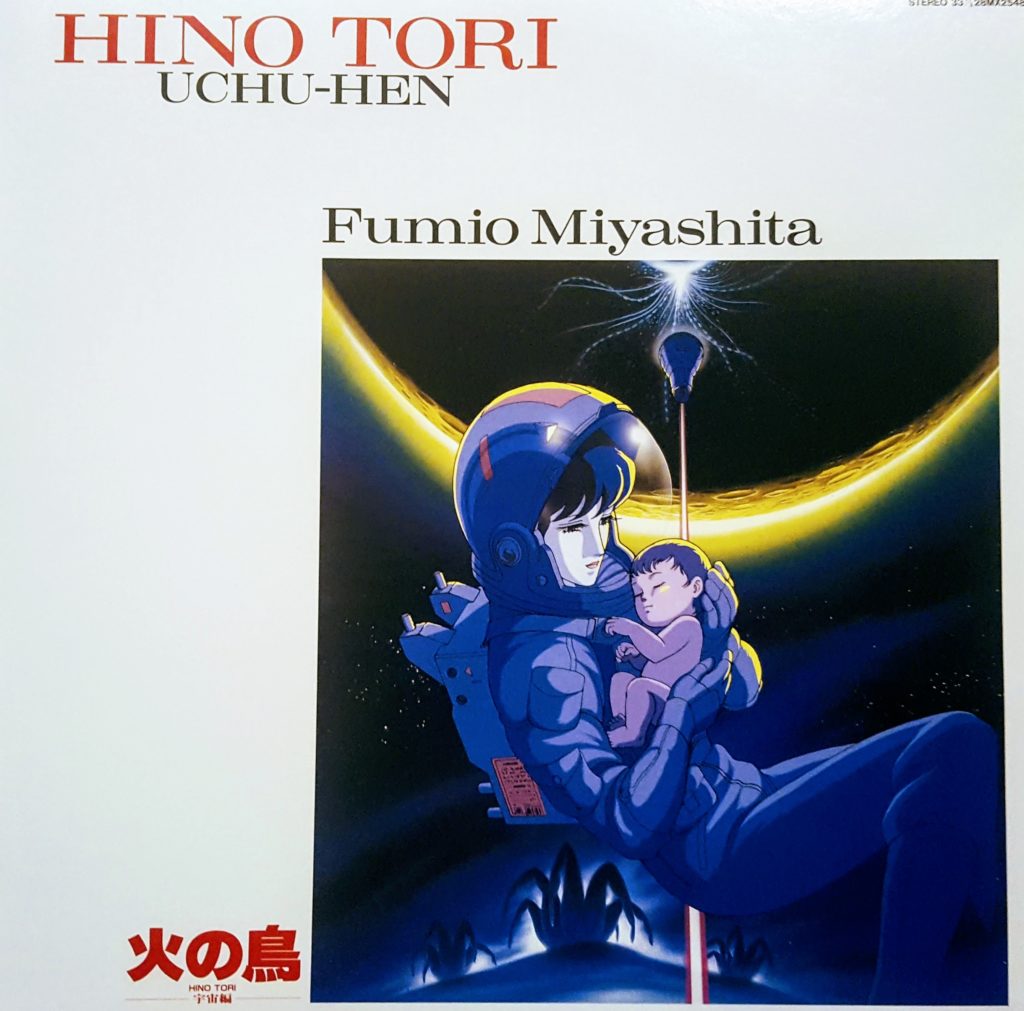
Fumio Miyashita – Hino Tori Uchu-Hen
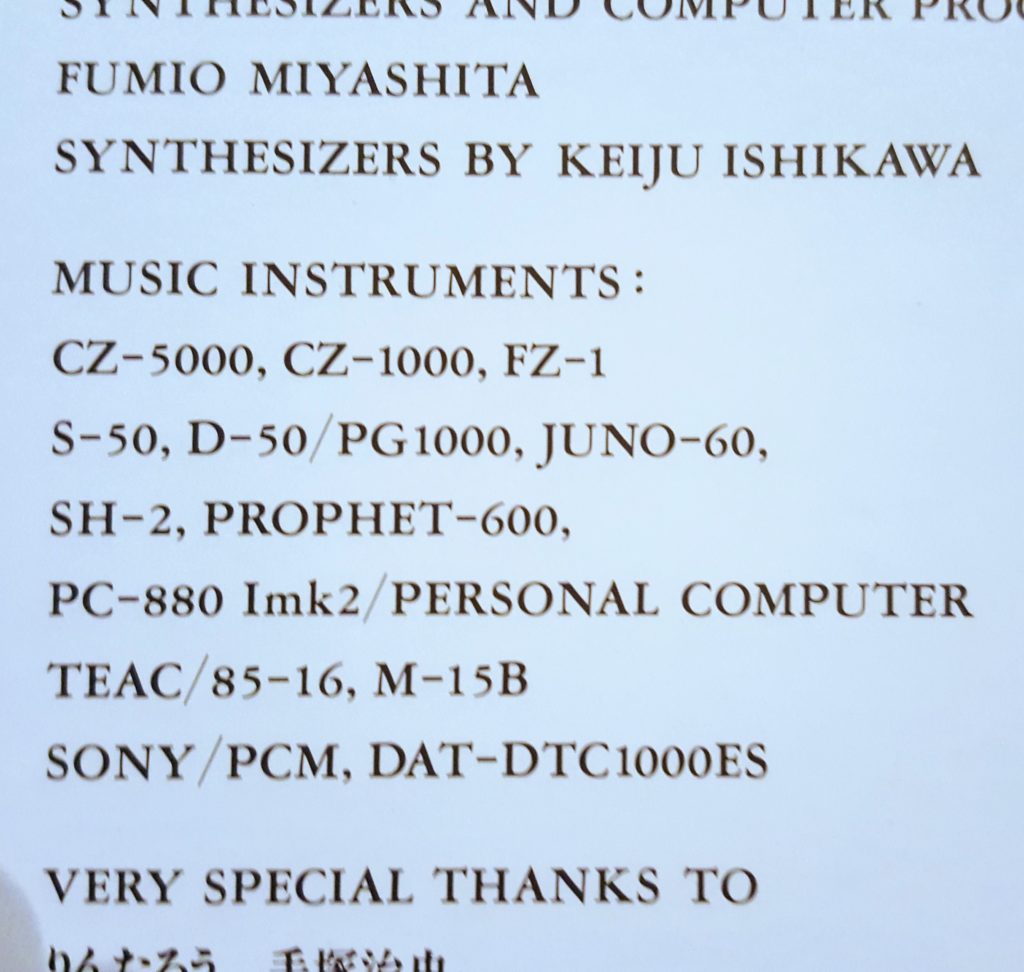
Like I said, it’s been a rough week, so I’m going to be real with you, I had no idea what Hino Tori Uchu-Hen was when I bought this album. I also had no idea who Fumio Miyashita was. I bought this album solely because of the back cover, which lists about a billion different digital synthesizers and computers as the instruments used.

That’s usually a guarantee for me that I’ll dig something on the album. And I certainly found a lot to dig here. Some of this is straight-up ambient background music you’d expect to find in a mid-80s anime, but it also diverges a bit into Tangerine Dream sequencer territory (aka my favorite territory) as well as some more traditional-sounding pieces that sound like they were performed on an organ but were no doubt performed on a synthesizer doing its best impersonation of an organ. It even has a pop song on it, the not-at-all-bad-but-entirely-forgettable “Showers of Gold.”

And it’s not about that kind of golden shower you pervs.

This is good chill out music for me. I just had this on loop for about two hours yesterday while I organized my iTunes library and tried not to think about the fact that I couldn’t breathe.

It turns out that the composer, Fumio Miyashita, was somewhat well-known for his chill out music. Even my boyfriend owns a couple of his CDs, which he listens to when he wants to, surprise, chill out. According to him, people used to go to his concerts to lay down and just relax (with no drugs I swear – it’s Japan).

I want to get more of his stuff, and that shouldn’t be too hard as it turns out that a lot of his anime soundtracks are pretty easy to come by here. I’m not interested too much in his “relaxation music” though. I like my new age in small doses for the most part.

What I do want to dig into more is his prog history though. In the seventies the dude was in two very influential Japanese prog acts; The Far East Family band and Far Out. Their stuff is slightly less easy to find, which is a bummer. But what I heard online I dig. It’s weird as hell. Turns out Kitaro was in that group. Did they invent new age prog? I don’t know if that would be a good thing or not.

I should also probably mention what this is the soundtrack to. Hino Tori Uchi-Hen is an animated movie from 1987, based on the mange by the same name. The manga was the work of Osamu Tezuka, who is best known as the creator of Astro Boy. Like I said, I never saw the movie, but if it’s half as chill as this, maybe I should check it out.

It’s kind of hard to get into anime when you live in Japan, as almost none of it has English subtitles. It’s like that episode of the Twilight Zone with the dude and the books, but with way more anime boobs.

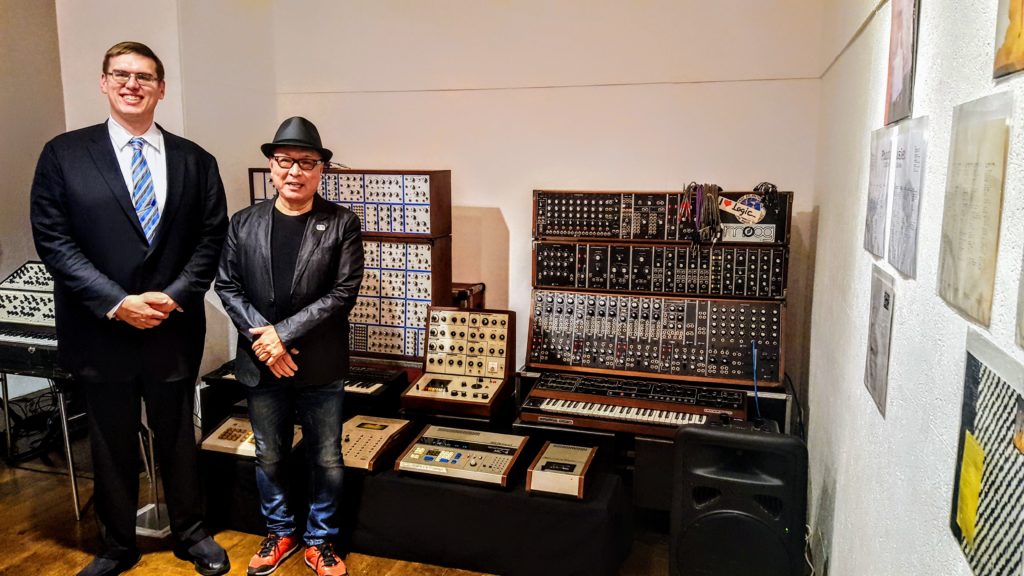
Oh, one more thing happened this week. I met Hideki Matsutake, aka Logic System, aka the guy who played the sequencers on all the best YMO albums as well as a dozen other classic Japanese techno-pop records.

I’m on the left.

I was quite excited. Although if I knew I was going to get a picture with him, I would’ve rocked my pink tie.

Flaming Japanese Astronaut Funk

Monday, November 27th, 2017

Like most people, when I first started buying records I would occasionally buy some just because they were cheap and the covers were crazy or outrageous. That’s why I own this. And this. But that’s a habit that you have to grow out of quickly, or you’ll find your record shelves full of bad 80s hair metal and obscure 70s cheese. I think the last time I bought a record solely because of the cover was probably close to a decade ago.

Then I found this.

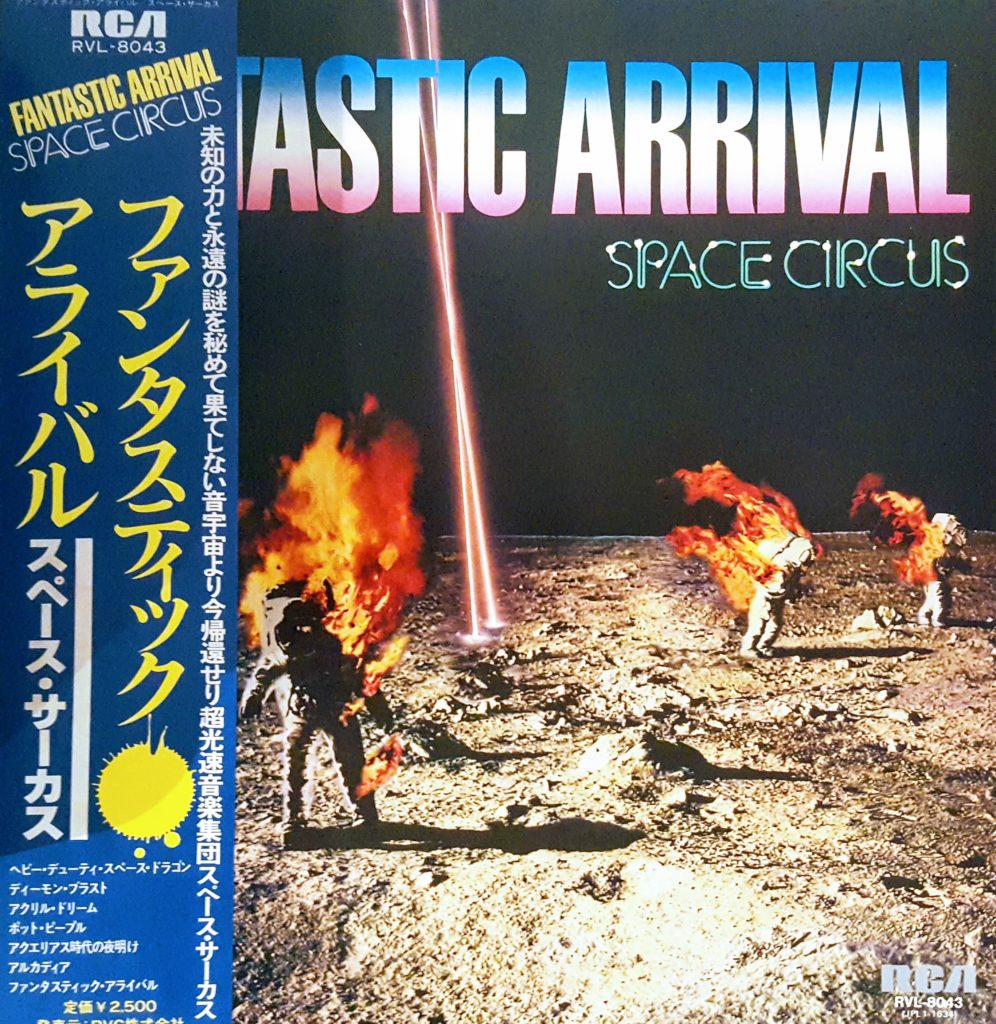
Space Circus – Fantastic Arrival
THOSE FUCKING ASTRONAUTS ARE ON FUCKING FIRE, MAN.

Something about this cover just got to me, and since it was only four or so bucks I figured “why the hell not?” And while the album certainly hasn’t set my world ablaze like an unfortunate astronaut, I’ve been enjoying it.

Disclaimer: this is kind of a jazz fusion record. I have been on the record (many times over) as not being a fan of jazz fusion. That’s still a rule I try to live by. I feel that this is an exception. Not exceptional, the record isn’t that good, but it’s different enough from most of the jazz fusion I’ve heard that it stands out at least a little bit.

Firstly, the dudes playing on this record are clearly virtuoso musicians who know what the hell they are doing. There’s a lot of wankery and showmanship on this record, and it makes for an impressive listen. The bass really sticks out to me. It has a groove that makes the album almost a funk record at times. Sure, no one is going to mistake a track like “Demon Blast” for George Clinton or Prince, but it moves, and slides from one solo to another so naturally, never losing the backing beat or theme, thanks largely to that radical bass.

Secondly, for most of this album, things are kept at a fairly breakneck pace, and when they do slow down, its in favor of the keyboards and/or synthesizers. That might not be a direction that most people enjoy, but anyone whose visited my blog more than once know that’s something that’s always going to earn the attention of my ear. “Acryl Dream” sounds someone laid a funk beat over a Vangelis score. I dig it.

Finally, it’s just really stupid and fun. And I was in the hospital this week, give me a break.

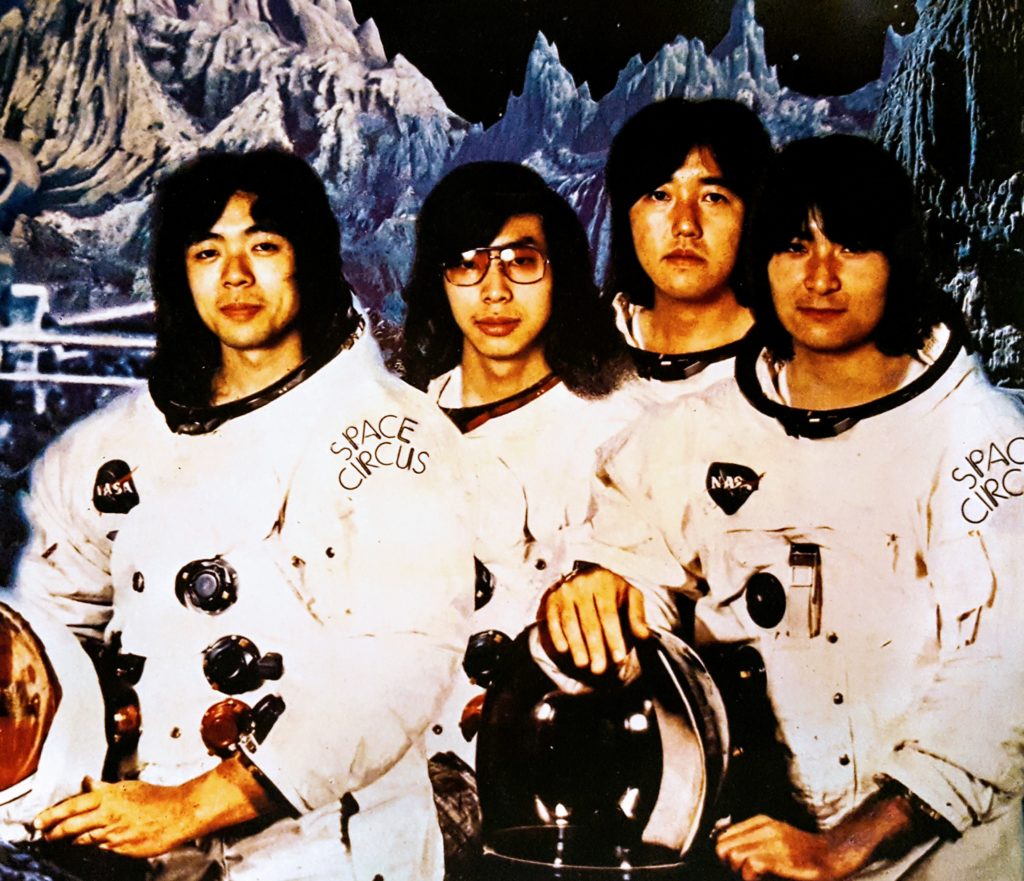
I did a smidge of digging as to who Space Circus are/were. They’re long gone as a group, having only released two albums in the late seventies before calling it quits. However, a few of them continued to release music after parting ways. While both the percussionist and guitar player only seem to have this group to their name, the bass player, Hajime Okano, has a hella long discography. He’s even made his way to a few albums I own, occasionally working with artists like Jun Togawa and Koshi Miharu, two of my favorite Japanese singers, who I really suggest you check out.

Takashi Toyoda is credited as a guest musician on this release, and contributes keyboards and violin. Turns out he makes appearances on a few other records in my collection, including some synthesizer anime albums and a great record by another 80s Japanese singer who goes by Rajie. Yukihiro Takashi from YMO and touring YMO members Kenji Omura and Akiko Yano also appear on that record, it’s worth picking up if you ever somehow stumble across it.

So yeah. It’s silly, and to be honest kind of forgettable. But it’s fun. And you might find a few good grooves to enjoy. Hope you enjoy.