Author Archive

Weird music from Europeans you’ve never heard of, part 1

Monday, September 23rd, 2019

A little bit of an odd one today, and expect more like it this week or next (hence the part one) I’ve bought so much stuff like this as of late (oddball 70s/80s European rock/electronic music) that it just makes sense to bundle it all together. All of them are radically different though, so if you don’t dig what I’m posting one day, just wait, you might enjoy what comes next.

Their all pretty fucking weird though. Up first, blues krautrock!
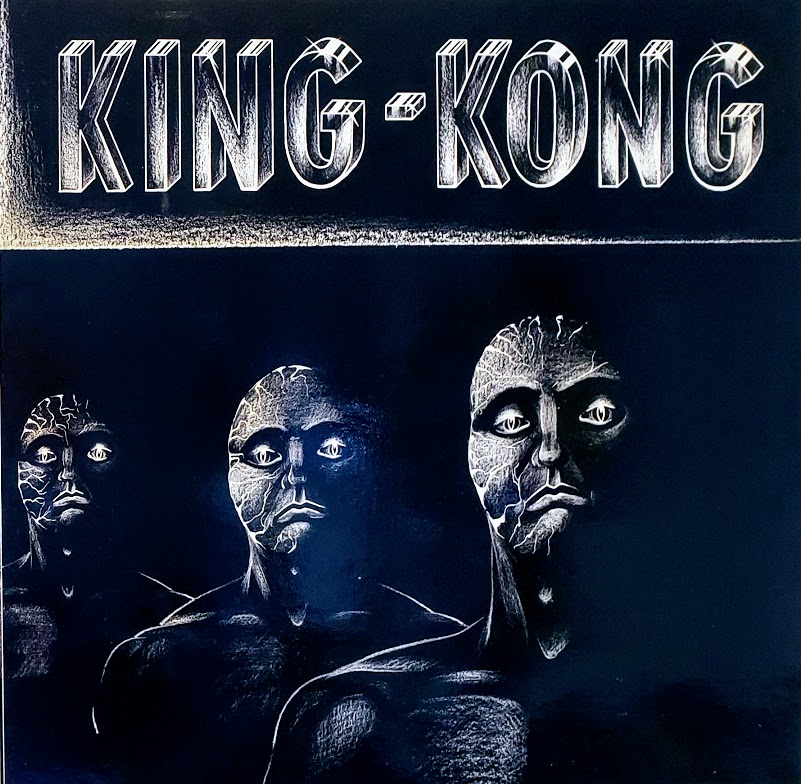
King-Kong
Flyin’ Through The Motions
King Kong’s Fight With The Devil, Part 1
King Kong’s Fight With The Devil, Part 2

Time for another episode of “I found a band so obscure that I can’t even write that much about them!”

This album first grabbed my attention thanks to its freaky cover. Which led me to believe at first that it was some piece of early-80s EBM or dark electronic music. Scanning the back cover and seeing that it was a Sky Records release, I decided to give it a spin at the store. I dig most everything Sky put out back in the day, as most of it was early electronic music or kraut/prog with a heavy electronic edge.

This is kind of that, but different than most Sky albums that I’ve bought. It rocks a hell of a lot more. I say “rocks” I don’t mean it in “yo, this shit rocks man” I mean it in the literal (well, more literal than not) sense that it is much more of a rock and roll record than the stuff that I was used to hearing from Sky. But at the same time, it still has a bit of that electronic element that was essential to the Sky label. It’s also oddly bluesy? I mean, no one is going to mistake this for a B.B. King or Stevie Ray Vaughn record, but it has an indefinable blues/southern rock element that’s hard to miss. “King Kong’s Fight With The Devil, Part 1” (great title) is just a few steps away from a Doobie Brothers record. Remove the pulsing synths, put it in a major key, and add some twangy guitar and there you go.

Sadly, the album as a whole is really uneven. Two meandering tracks that are both over seven minutes long bog the whole thing down and come across as either third-rate krautrock and fourth-rate prog. And since their both so damn long they really suck the momentum out of the album proper, which is a shame.

But these tracks are really something special. Album opening “Flyin’ Through The Motions” is a good track that showcases the best of what the album has to offer, its one-of-a-kind mix of European avant-garde with (then) modern rock flourishes. And while I’ve already expounded on the dope qualities of it’s prequel, the album’s final track, “King Kong’s Fight With the Devil, Part 2” is a fantastic closer, showing more of the rock/electronic hybrid sound that should’ve defined the album as a whole.

So who the hell is King-Kong? The main member seemed to be Holger Schmidt. He’s the credited writer for nearly all the tracks, and it looks like he performed most of the instruments on them as well. According to Discogs he was also the album’s producer, albeit under the assumed name of Karl Kraftlos. Aside from King-Kong, the dude has had a lengthy career, however, it would appear that he never quite hit the mainstream. It looks like his closest thing to hitting it big was Tiger B. Smith, a krautrock/hard rock hybrid that has gathered quite the cult following online. Most of his other stuff seems to be electronic/new age/synthpop that, again, failed to make any impact. A lesser known name of the German music scene to be sure, but if you dig on this stuff I think you might want to look up his various other bands too. I know I am now. Tiger B. Smith fucking jam.
I survived America, here’s synthpop and Robert Wyatt

Thursday, September 12th, 2019

Yeah, sorry.

I really, really wanted to keep updating the site when I was in the states. I had some posts half-written, had songs picked out, the works.

But, like always, between the jet lag, family time, seeing friends, going shopping, traveling from state-to-state, taking the boyfriend sightseeing, and suffering the occasional nervous breakdown due to the combination of all those things, I just couldn’t squeeze in the time.

But I’m back now bitches! Let’s celebrate with some random remixes from a near-forgotten 80s synthpop band and some weird shit that no one has ever heard of.

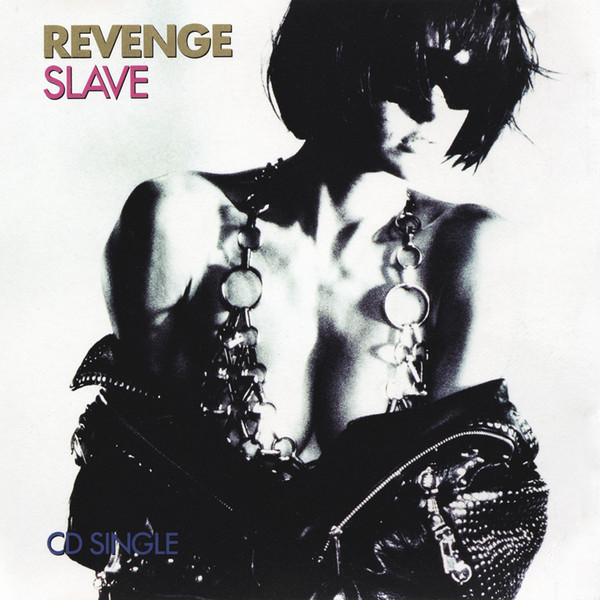
Revenge
Slave (Extended Mix)
Slave (Remix Edit)
Slave (Instrumental)
Slave (LP Version Edit)

This is my third post featuring remixes of Revenge tunes, yet I still have not bought their album proper. Because I’m stupid like that.

Revenge was one of Peter Hook’s side-projects. They released a single albumin 1990 but petered (hah PUN INTENDED) out before they could do much else.

In the lexicon of failed New Order side projects, I’m not sure where they rank. As I already said, I don’t have their album so I can’t really judge them fairly. I’m going to go out on a limb though and say that they definitely rank below Electronic and The Other Two (who are both great) and above Bad Lieutenant (which was awful).

This song, and the remixes, are good. I definitely pick up a strong New Order vibe with the bassline, although the song as a whole has a slightly more industrial/aggressive vibe than what New Order was doing at the time.

The 12″ single from which I pulled these also included a “Bonus Beats” track but I’m not including that as it was featured on the easily available re-issue of the group’s sole album, One True Passion. Why they chose to include that minute and a half bit of filler and none of the other, longer, better, more interesting remixes is beyond me.

(The artwork above is from the CD single and I snagged it from Discogs. Sorry, my back hurts far too much for me to dig through my records to properly photograph the 12″.)


Robert Wyatt & Bertrand Burgalat
This Summer Night (Hot Chip Mix)
I haven’t talked about it all that much, but I will (hopefully) be starting a podcast soon, in which I, Jeremy Parish of Retronauts fame, and our friend Elliot will be discussing progressive rock. So keep an eye on that.

In the first episode of said podcast, I discussed Soft Machine, which gave me the excuse to dig into original member Robert Wyatt’s discography a bit. I have to say that I dig his stuff (especially his early stuff) far more than anything Soft Machine did after their second album. From that point on, they went full jazz-fusion. And I’m sorry, I just can’t with jazz fusion. I’ve tried my best several times.

Robert Wyatt is an interesting guy, with a deep discography that can be intimidating at times. But if you’re looking to jump in, I recommend the EP’s compilation which, surprise, collects the EPs that he put out early in his solo career. It features fantastic covers of “I’m A Believer,” “Yesterday Man,” and “Biko.” It also includes the Soft Machine classic “Memories,” which was later made somewhat famous by Material’s version that featured a very young Whitney Houston on vocals.

Odd trivia, the members of Material were originally a Gong offshoot by Daevid Allen called New York Gong. When he split, they continued on as Material. Of course, before Allen was in Gong, he was a founding member of…Soft Machine. I assume that’s how the members of Material became aware of “Memories” and decided to cover it.

Anyways, back to this song. The original version of this track was originally including on the Bertrand Burgalat album Cheri B. B., which came out in 2007. I know nothing about him so don’t ask me. I grabbed this remix from a 12″ single of said song.

And if you listen to this song and thing “boy, this Wyatt guy sounds really weird, I wonder his voice was always like that,” the answer is yes. He has sounded like a frail old man on the verge of death since 1968.


Get Funked Up with Wansel

Sunday, August 11th, 2019

I’m bouncing to the states in less than 24 hours. I’m filled with anxiety and trying to flush at least a bit of that anxiety with a modicum of whiskey. Not too much though. Certainly don’t want to fly with a hangover. Just enough to weaken my liver a bit so when I drink on the plane tomorrow I can pass the fuck out as quickly as possible.

I really hate flying.

As I said previously, I’m going to try my damnedest to get at least a pair of posts out when I’m trapped in America. It won’t be easy though, between the nonstop family visits, jet lag, work I’ll still be doing remotely, record shopping and COPIOUS amounts of coping mechanism alcohol I’ll be consuming, I suspect it will be hard for me to find the time.

So, on the off chance that I can’t get another post out the door for another month, let’s get funky.

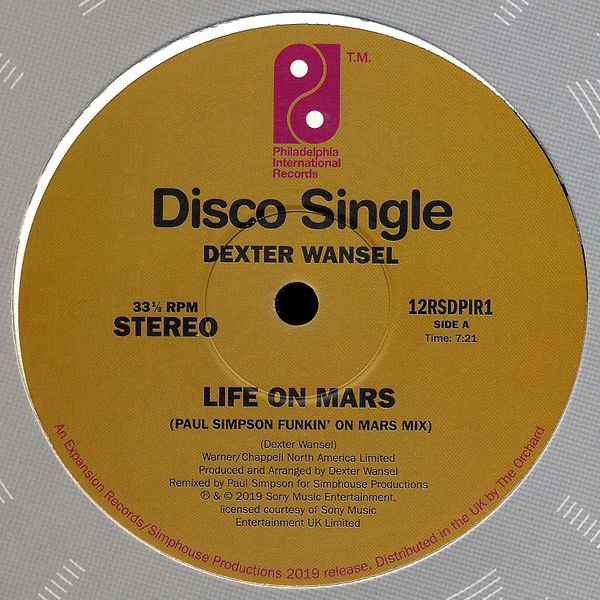
Dexter Wansel
Life On Mars (Paul Simpson Funkin’ On Mars Mix)
Theme From The Planets (Paul Simpson Extended Mix)

THIS. IS. THE. FUNKIEST. SHIT.

I know I will be the first and last person to ever say this about the work of Dexter Wansel, but his best stuff really reminds me of the music from the video game De Blob. That speaks less to the quality of the music of De Blob (which is actually amazing) and more to the fact that I don’t know jack about jazz-funk, especially jazz-funk from the states. My jazz-funk knowledge is limited solely to some oddball Japanese releases I’ve picked up over the years, and maybe some Herbie Hancock.

Since I know the musical tastes of the people who frequent this blog most, I’m going to assume that you’re not all that familiar with the work of Dexter Wansel. That’s cool. I’m not all that familiar with the work of Dexter Wansel. I do like saying Dexter Wansel though. Wansel. WANsel. WAAAAAAAAAAAANsel. It’s a fun name to say.

I swear I’m not high, just a little drunk.

I first discovered Wansel (waaaaaaaaaaaa- sorry I’ll stop) relatively recently, in the same way that I discover the majority of older acts that I listen to these days; I picked up his record semi-randomly at a record store, gave it a quick spin, and liked what I heard.

The record in question was 1978’s Voyager, his third album overall. That album is holy shit great. Dope bass. DOPE. The bass on the title track will steal your car, crash it into your work, and punch your boss in the face. That’s how dope it is.

DOPE.

You’re fucking lucky. That album is on iTunes for a steal, and I assume it’s on streaming services too. You need to listen to that motherfucker right now. It’s dope.

These songs are not on Voyager. They were originally on his debut album, Life On Mars. These mixes were done for a special limited-edition Record Store Day release. Since I have yet to see these tracks pop up on any digital service, I felt they were fair game to share.

These tracks are also dope. They’re not “Voyager” levels of dope. (YO THAT SONG IS DOPE). But they’re still rad as hell. Wansel plays synthesizer on these, and I guess that’s what’s supposed to be the focus here. But for me, and just like on “Voyager” what really sticks out to me is the bass. It just fucking murders me it’s so good.

The bass player on these tracks is Derrick Graves. Like Wansel, he did a lot of work for Philadelphia International Records, cropping up on albums by artists like Billy Paul and Leon Huff. Unlike Wansel though, he never got his chance to shine as a solo performer. Shame.

Enjoy the dope funk. Let it give you strength. Use it to smite your enemies and cast out your foes.

Oh for god’s sake don’t come to America

Tuesday, August 6th, 2019

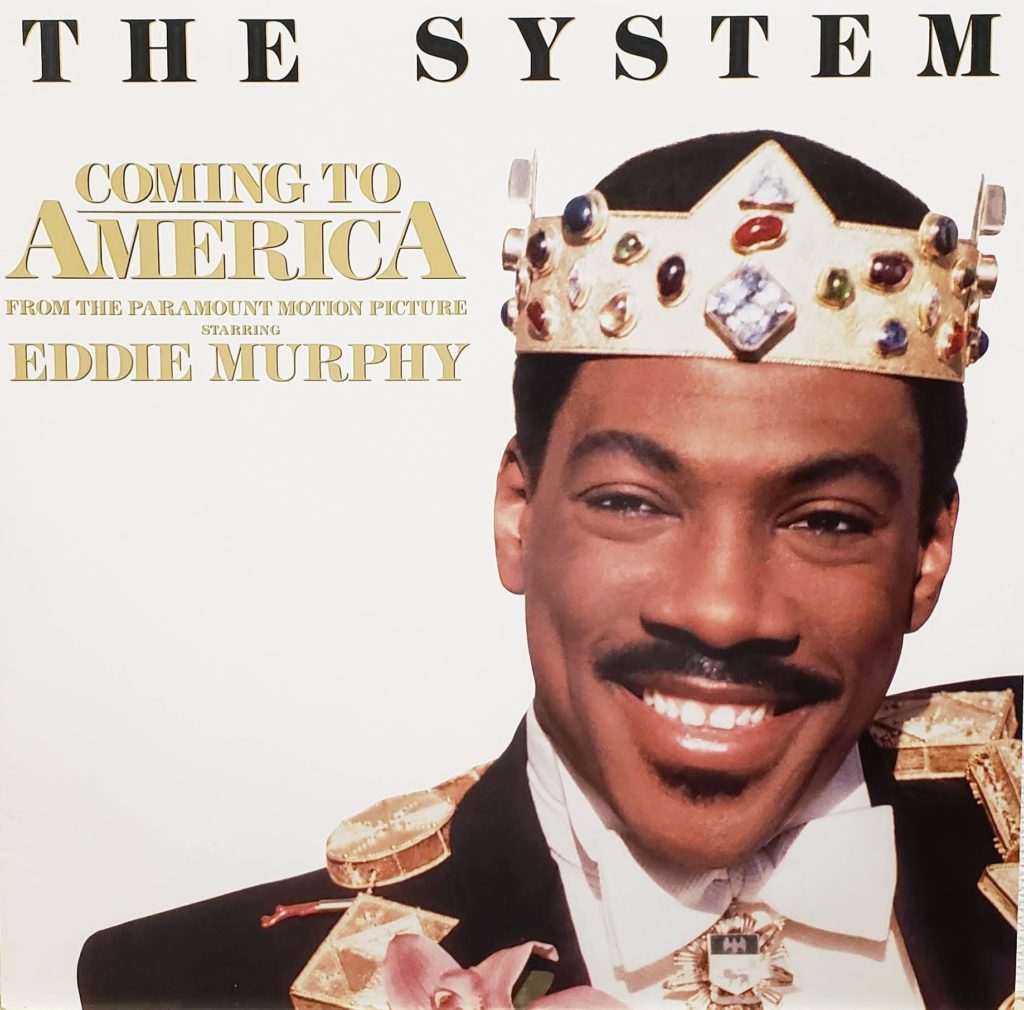
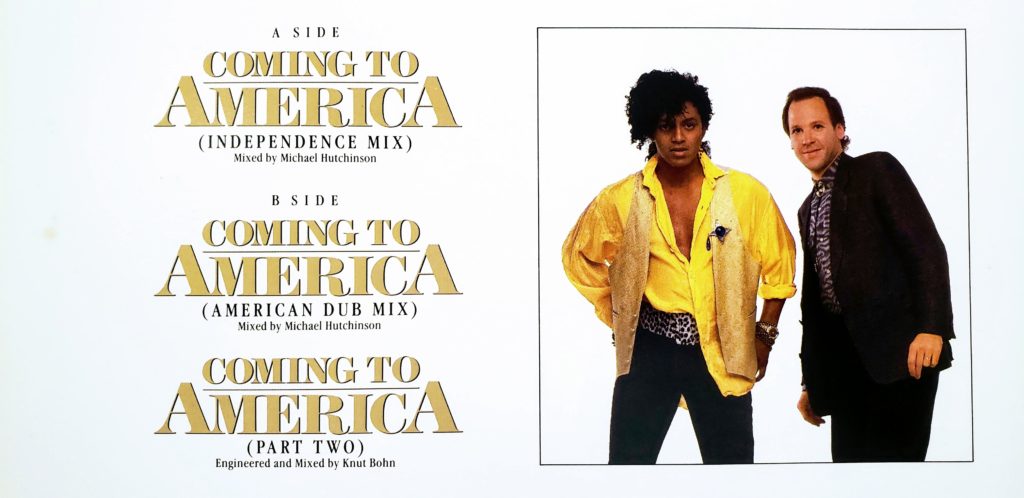
The System
Coming To America (Independence Mix)
Coming To America (American Dub Mix)
Coming To America (Part Two)

Apparently they are making a sequel to Coming To America? I’ll believe that when I see it, the proverbial “they” were also allegedly making another sequel to Beverly Hills Cop. I hope they do make a sequel. I hope they make it real as fuck. Have the son of Eddie Murphy’s character travel to America to try and find his bride and have him immediately shot by the NYPD for the crime of breathing while black. Or have him go a nightclub to look for a girl and have him get gunned down in a mass shooting. Fuck it.

Sorry, shit’s been too real.

Anyways, I have seen Coming To America probably at least a dozen or so times, and I have no recollection of this song. My memories of that film basically boil down to the scene with the bald woman, the McDonald’s jokes, Samuel L. Jackson, the Trading Places reference, and “the royal penis is clean your highness.”

Oh yeah, and Soul Glow, but that’s mostly because of Lizzo referencing it in her amazing video for her dope song “Juice.”

Every time I try to think of this song when I’m not listening to it, I end up getting “Living In America” stuck in my head instead. And let’s be real, that song is a million times better than this track, which is a textbook example of completely competent but still utterly forgettable late-80s mainstream synthpop funk.

The song is by The System, a group that I know nothing about. Some basic Wikipedia and YouTube browsing shows me that they had at least a few minor hits (and even one top ten single) but I’ll be damned if I’ve heard any of them. It’s amazing how many mid-level acts from the late-80s have vanished off the face of the Earth. I feel that you can put The System’s top ten single, “Don’t Disturb This Groove” right up there with “Shake You Down” by Gregory Abbot and “Casanova” by LeVert on a greatest hits that time forgot. Synthfunk in the late-80s really took a dive and it did not age well at all.

I don’t want to shit on The System too much though. I’m sure they were a fine band for their time, and they did chart on more than once occasion, so good on them. Also, from what I’ve heard of their first couple albums, they had a really rad electro-funk sound for a while that actually has aged well. So if you find this track of any interest at all, I suggest checking out their first LP, it has some hidden gems on it.

Anyways, speaking of Coming to America, I’m coming to America! For the majority of August and into September, I’ll be visiting my once fine home country to pay visit to friends and family and eat as much Little Caesar’s pizza as humanly possible. Previous trips to the states have seen this blog fall into an involuntary hiatus of sorts, and I’m going to my best to prevent that this time. I already have a couple blog posts done and in the can, so I hope I can get a few more done before I leave next week, allowing me to keep the blog updated while I’m out and about in the greater Toledo to Pittsburgh area, drinking root beer and hoping not to fall victim to another mass shooting.

I even have at least one more synthpop 12″ single in the wings, so hey, those of you lamenting for the good old days of this blog should be stoked.

Universal Energy’s Space Disco

Sunday, July 28th, 2019

Tonight’s post was supposed to go up last week, it was also originally going to be much longer. But while writing it, the post kind of became a whole other thing that was way off topic and much more about disco, disco’s legacy, and anti-disco sentiments, eventually becoming a whole separate piece over at my other blog (that I’m once again trying to get into the habit of updating more often). So if you want to read my thoughts on disco, disco demolition, and why the later was NOT a homophobic racist reactionary movement. Go check that out.

And if you want to hear some goofy disco while reading that, I got you covered here.


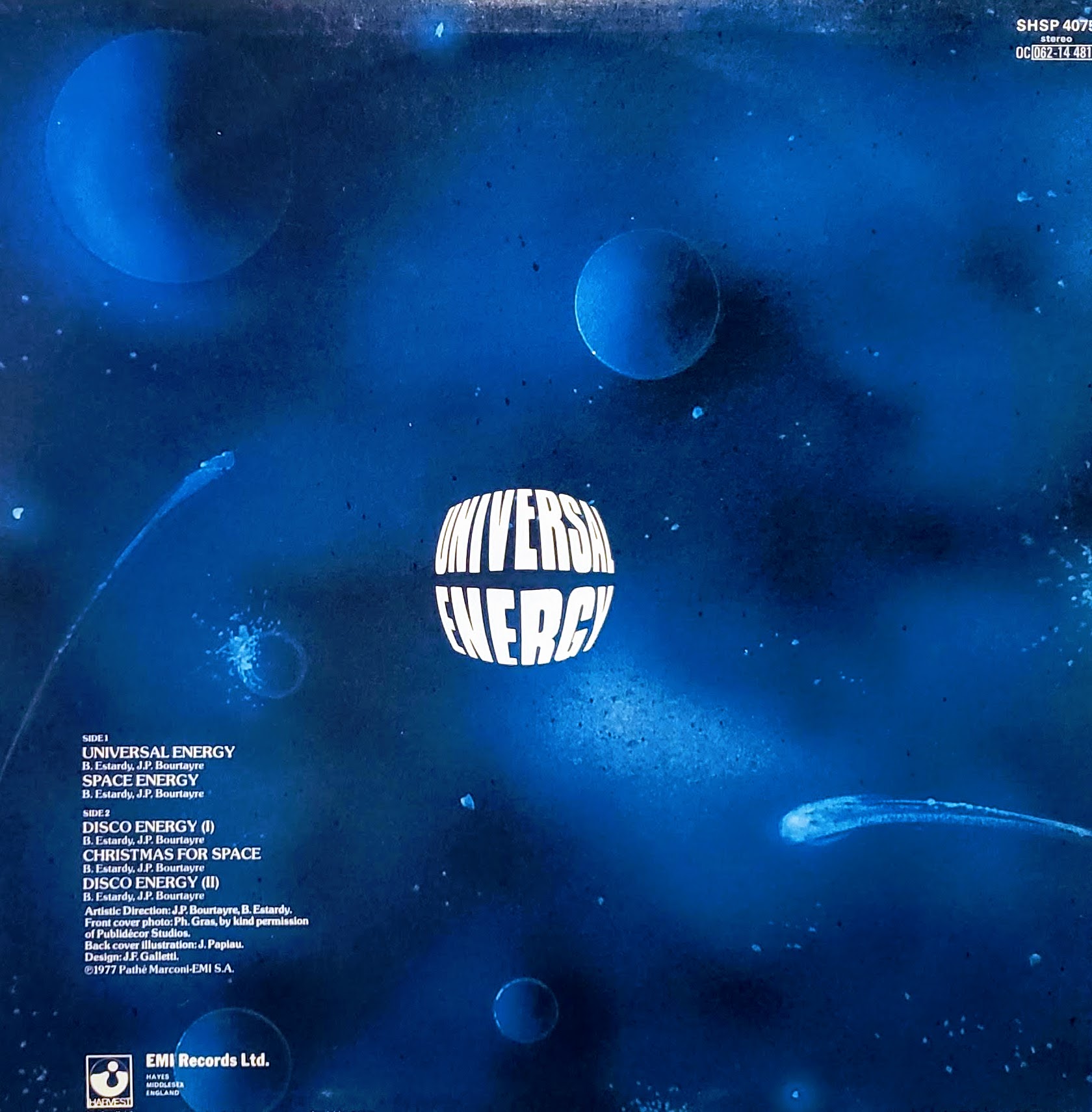
Universal Energy
Universal Energy
Space Energy
Disco Energy I
Christmas From Space
Disco Energy II

I don’t know much about Universal Energy. Okay, scratch that, I know next to nothing about Universal Energy, because no one knows much of anything about Universal Energy. The group was a collaboration between French composers Jean-Pierre Bourtayre and Bernard Estardy. Their sole self-titled release features just six tracks and is barely more than 30 minutes long, and that’s all they ever did together. Both did a ton of music outside Universal Energy though. Bourtayre is an acclaimed composer and songwriter in France, and Estardy would continue to release dance music under a variety of pseudonyms throughout his career, and worked behind-the-scenes for more acts than I can even count.

I know nothing of their other work, so I can’t speak of it. But Universal Energy is pretty fun. This is prime space disco; combining sci-fi themes and sounds with four-on-the-floor dance beats. Space disco wasn’t the most popular of disco sub-genres at the time. There weren’t many mainstream space disco hits. The only one I can think of is probably Meco’s disco remix of the Star Wars Theme, which is kind of cheating. And actually, I really wouldn’t even call that space disco. Sure, the subject matter is literally space, but there’s nothing “spacey” about the song’s sound aside from the fact that it’s the Star Wars Theme.

A lot of Moroder’s work has been classified as space disco (at least on the subpar space disco wikipedia page it has been) and I don’t know if I agree with that either. Morder’s best disco was almost entirely electronic, obviously, but most of it didn’t really incorporate sci-fi themes or sounds. “The Chase” and “I Feel Love” certainly didn’t. His reworking of theme to Battlestar Galactica did, but again, that’s cheating.

If anyone knows any other space disco (not including disco by the group Space, I have all that), let me know in the comments. I want to hear more of this stuff. I would preferably like music from the 70s, but newer stuff that falls under the space disco moniker would be dope too.

Enjoy the intergalactic grooves. I hope to get a few more posts out in the next couple of weeks. I’m off to the states in the middle of August. If history is any indication, it’ll be hard for me to get more than a post or two online during the month I’ll be away. Family obligations (and alcohol obligations that come after them) usually limit my writing output when I’m in the states.

Enka Electronics by Hideki Matsutake

Sunday, July 14th, 2019

Tonight’s album is one of the most mysterious that I’ve ever shared.

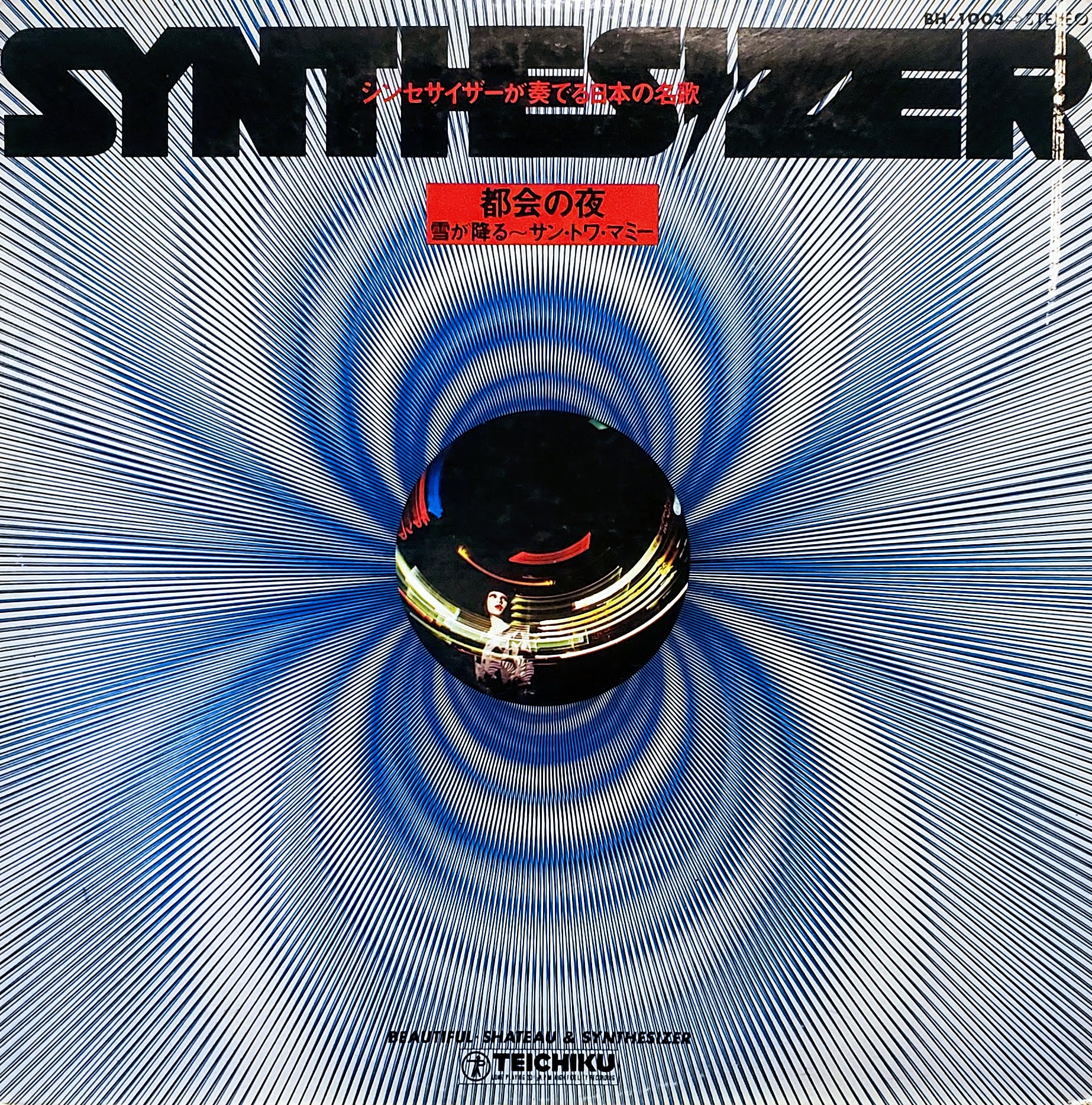
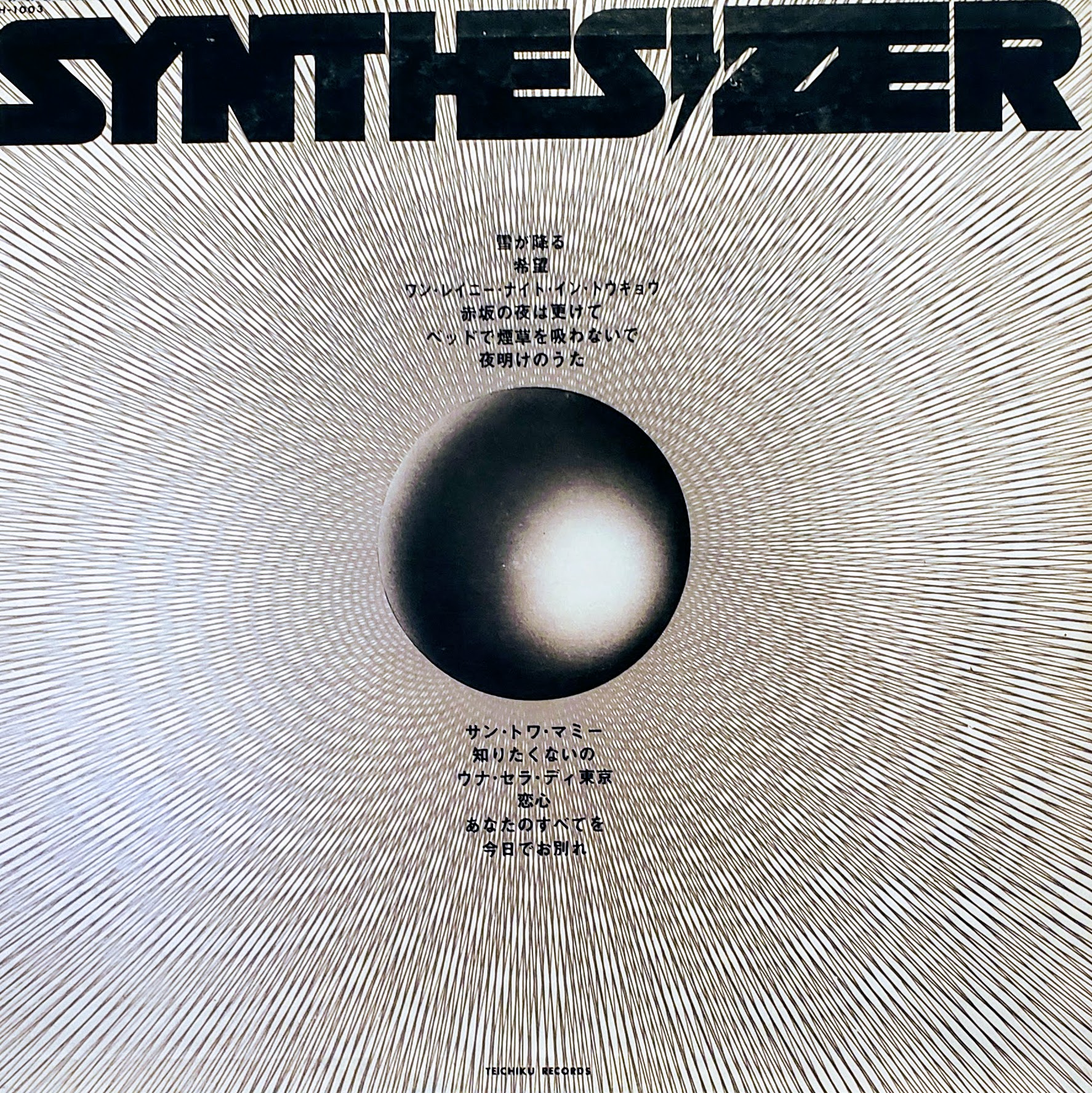
Synthesizer ga Kanaderu Nihon no Meika (complete album download)

Hell of a cover, right? A lot going on there, typeface wise. It was even a struggle for me to figure out the proper title of it at first. But I think my boyfriend and I figured it out. Best we can figure, the name of this record is シンセサイザーが奏でる日本の名歌. That’s pronounced as “Synthesizer ga Kanaderu Nihon no Meika” and translates to “The Greatest Japanese Songs on Synthesizer.”

For the makers of this album (more on them in a bit) “greatest Japanese songs” meant “popular ballads and folk music, mostly from the 1960s.” A lot of the songs here were originally enka tunes. Enka is a bit hard to describe, there really isn’t an analog to it in Western culture. Basically it’s music for your grandparents, sentimental slow-moving ballads without a hint of that newfangled rock and roll the kids go on about. Imagine if someone combined easy listening, folk music, and American standards into one genre, that would be enka. It’s Barry Manilow meets Celine Deon with a hint of Perry Cuomo

I’m not going to be as bold as to say that its uniformly bad, but it’s not for me. I am not that music’s target market. I will refrain from critical comment. I must also refrain as to the accuracy of these interpretations. Maybe they’re as faithful as all-synthesizers cover can be. Maybe they’re radical re-workings that remake the songs entirely (I doubt that). I just don’t know.

Judging them solely on their synthesized versions though, they’re not bad. There are some good melodies here. I dig “One Rainy Night In Tokyo” quite a bit, it has a good groove. “Una Sera Di Tokyo” isn’t half bad either, with a playful yet melancholy sound. The person behind this album sure knew what they were doing when they put it together. All of the songs, even the ones where I can tell the source material ain’t all that, sound good. Excellent choices regarding audio effects and production all around.

So who the hell did this?

The credited artist on the cover is “Beautiful Shateau & Synthesizer.” I assume they meant “Chateau” but that’s what happens when you rely on katakana pronunciation to spell something. Trust me, I know. This is an English teacher in Japan you’re talking to.

A quick web search on them brings up next to nothing. There’s one incredibly crackly YouTube video of a single track from this album, a Discogs page, and the occasional online auction listing. All are pretty sparse in terms of information.

Even their discogs page is a mess. It didn’t even have this album on it (I added it last week). However, the pages for the two albums it did have credit Hideki Matsutake as a “synthesizer conductor.” That didn’t surprise me one bit. I actually suspected these records were of his creation the moment I first listened to them.

I’ve mentioned Matsutake here a few times in the past. He played some synthesizers and sequencers on some of YMO’s albums, and he also released plenty of music as a solo artist under the name Logic System. I think he’s a genius and one of the greatest electronic musicians of all time.

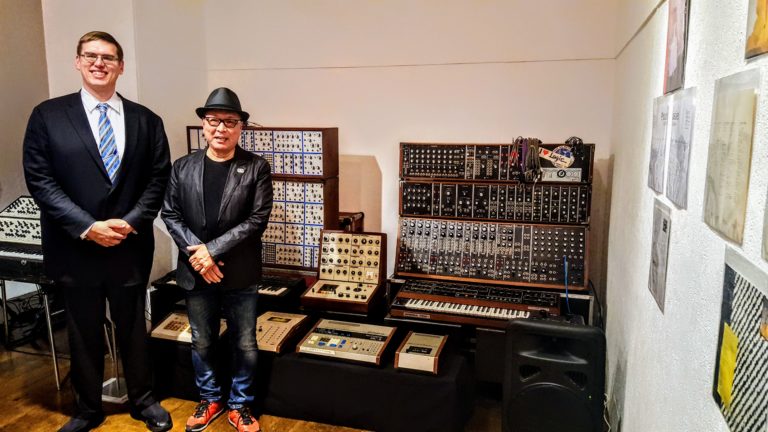
I met him once.

I’m a fan.

He’d be the Wendy Carlos of Japan if Tomita wasn’t already the Wendy Carlos of Japan. He is an incredibly early pioneer of electronic music and deserves far more recognition than he has. Dude is epic. Check out anything he put out, or was even associated with, from the early-70s to mid-80s and just prepare to have your mind blown. He was leap years ahead of his time with the kind of stuff he was pulling off with even the most basic tools.

I imagine that this record, and the others that he put out as “Beautiful Shateau & Synthesizer” have to be some of of his earliest releases. They’re definitely pre-YMO, with their ultra-minimal, definitely monophonic synthesizer sound. However, I can’t confirm this100% because, and here’s the crazy thing, none of the “Shateau” records have any kind of copyright or release date information on them at all. Nothing. Nada. Zip. Zilch. And if you know anything about Japanese albums, that’s pretty odd. Many of them label their release date down to the day. For these records to not even have a basic copyright date is just bizarre. And I know it’s not just my copies missing this information. Everywhere I look, whenever I can turn up anything about these albums, the year is always blank or listed as “unknown.”

They’re records outside of time. Creepy.

This one certainly falls under the “not for everyone” camp, and I know this. I’m not going to complain if you don’t like this (but don’t be a dick and comment about how much you don’t like it, okay?) but I thought that this had to be shared for a few reasons. First of all, it’s probably one of, if not the, earliest release by a true innovator of electronic music. If for nothing else, this deserves to be archived and shared for that alone. Additionally, while I’m an alien to the source material, I still find the versions on this album entertaining and worth a listen. The soothing melodies combined with the harsh synthesizer tunes make it sound like easy listening music from another planet or something. It’s groovy stuff. Beck would sample this shit if he knew about it.

Unfortunately, whoever owned this album before me really fucking loved it and played the shit out of it. Or they hated it and used it as sandpaper. Either way, it’s banged up pretty bad. I did my best to give a good digital polish with scratch and noise removal software, but there’s only so much I can do with an all-synthesizer record like this. The software that removes cracks, crackles and whatnot often picks up the harsh, peaking sounds of an early synthesizer as noise, and tries to remove them too. I’ve done my best to clean this up, but it’s a bit more scratchy than my usual rips and for that I apologize. I do plan on sharing more of the “Shateau” albums in the future, and while the other ones don’t sound great, they all sound better than this one.

Hope you don’t mind the scratches too much, and hope you enjoy some ultra-rare ultra-early ultra-awesome electronic music by an ultra-legend of the industry.

The most anyone has written about “I Can’t Dance” in nearly 20 years.

Friday, July 5th, 2019

Genesis
I Can’t Dance (The Other Mix)
I Can’t Dance (The Sex Mix)
In Too Deep (Live)
That’s All (Live)
On The Shoreline
Hearts On Fire

Is there a thinkpiece out there about how all the prog acts went mainstream all at the same time? Let’s make a timeline:

  • 1977 – Genesis, with Steve Hackett out of the picture, release And Then There Were Three, they immediately get the biggest mainstream hit of their career to that date with “Follow You, Follow Me.”
  • 1982 – Prog giants John Wetton, Geoff Downes, Steve Howe, and Carl Palmer combine their progressive rock talents and form…Asia, who score a massive adult-contemporary hit with “Heat Of The Moment.”
  • 1983 – Yes go full synthpop with 90215 and hit it huge with “Owner Of A Lonely Heart.”
  • 1985 – Howe and Hackett join forces to form GTR, the poor man’s Asia. Meanwhile, Peter Gabriel releases mainstream art-pop masterpiece So, which garners him pop uber-hit “Sledgehammer.”
  • 1986 – The Moody Blues release The Other Side Of Life, trading in the flutes and orchestras for a keyboard and scoring the hit single “Your Wildest Dreams” as a result.
  • 1987 – Pink Floyd, free from Roger Waters’ mommy and daddy issues, release A Momentary Lapse of Reason, which gives the world the “Learning To Fly.”

Selling out (a term I am not using derisively here) is hard work, and I think that the different levels of success you find here certainly prove that. Yes and Asia were able to find success by updating their sound for the 80s, but neither could get much further than that, and failed to capitalize off that success with their coming albums. Ditto for The Moody Blues, anyone remember anything they recorded after “Your Wildest Dreams?” And can anyone out there remember anything from GTR?

Pink Floyd managed a little better just by resting on their back catalog. You know what’s a great song? Pink Floyd’s “On The Turning Away.” You know what’s also a great song? “Learning To Fly.” You know what’s a fucking terrible song? Damn near everything else on that album. Pink Floyd would sit out the remainder of the 80s-sound era of rock and not record another album until The Division Bell (which also isn’t great but much more in the vein of classic Floyd). Post-Waters Floyd was a touring machine first, an album-maker second.

Of all these acts, the only one who managed to keep their pop momentum going was Genesis. Hell, not only were they able to score pop hit after pop hit from 1977 to 1991 with nearly all the albums they put out, they also were able to continue that pop streak with incredibly successful solo albums by Phil Collins and Mike Rutherford (Mike + The Mechanics are underrated dammit).

But all good things must come to an end. Even if Phil Collins hadn’t jumped ship after We Can’t Dance, I can’t imagine that the band would’ve been able to keep things going in a post-Nirvana world. At least, not in any respectable way. Let’s be real, if Phil Collins would’ve stuck around with Genesis, then we would’ve ended up with Genesis doing some version of that fucking Tarzan song. Comparatively speaking Calling All Stations is a less embarrassing move.

I’ll be honest, while I own a lot of Genesis, I do not own We Can’t Dance. I’m sure that it still has some remnant of their progressive roots on that album somewhere, that somewhere sure as hell isn’t “I Can’t Dance.”

“I Can’t Dance” is without a doubt Genesis as their most pop. While Genesis had their share of love songs, remember that many previous Genesis pop hits covered topics as heavy as drug addiction (“Tonight, Tonight, Tonight”) nuclear war (“Land of Confusion”) and…whatever the fuck “Mama” is about. Meanwhile, “I Can’t Dance” is a biting satire on…jeans commercials.

Man, the early-90s were a simpler time.

The early-90s were also a bit of a nadir for pop music. This was the era of easy listening, quiet storm, and smooth ballads. Other pop hits from around this time include the Celine Deon “Beauty And The Beast” song (which won a fucking Grammy), “You’re In Love” by Wilson Phillips, and Bette Midler’s “From A Distance.” Compared to those songs, “I Can’t Dance” is punk. Sure, it’s a stupid satire about jeans commercials, but at least its commenting on something. At least it’s not Amy Grant (who also was a mainstream pop star at this time).

Did “I Can’t Dance” need two “dance” remixes? No. Did it need one dance remix? Probably not. Did it need a remix called “Sex Mix?” Absolutely definitely not in a million years. But the remixes aren’t bad. “The Other Mix” was done by remix legend Ben Liebrand, and it has that big 80s sound that he was so good at. But the “Sex Mix” (sigh) is even better and sounds a little ahead of its time. It’s almost a proto-big beat tune, which makes total sense considering the remixers were Apollo 440 (before going by that name). Wonder if they ever drop this one in a DJ set?

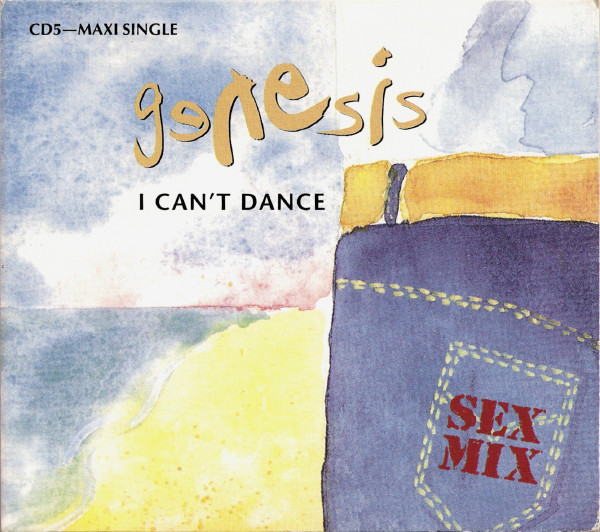
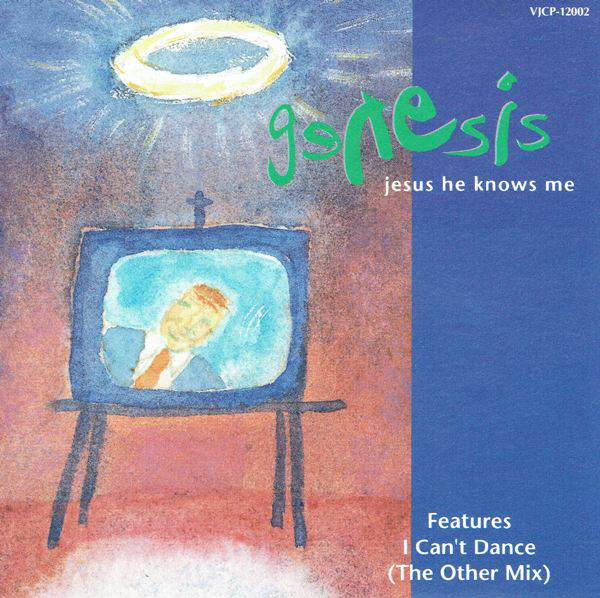
I took these remixes from two CD singles, one for “I Can’t Dance” and the other for “Jesus He Knows Me.” Sadly, neither had any remixes for “Jesus He Knows Me,” which is a much better song than I can’t dance (with a far more relevant social message) but they did have some interesting tracks. The live songs are fine, they are what they are, live versions of decent Genesis tunes, performed aptly. But the real highlights here are the B-sides. “On The Shoreline” is coulda-been-a-single good. The simple-but-effective riff drives the song with good momentum, and Collins’ vocals are exceptionally strong. It’s a good, propulsive rock song. Meanwhile, “Hearts On Fire” (which is sadly not a cover of the song from Rocky IV) is a dope as fuck love song with a killer bassline and a downright awesome “check out what our samplers can do” breakdown. Fucking loving this track. Maybe I do need to buy We Can’t Dance? I’m nearly 40 years old now, I assume I’m that album’s intended demographic at this point.

If you found this post interesting and want to hear me ramble on even more about prog, then I’ll have good news for you in the coming weeks! If you didn’t find this post interesting and you don’t want to hear me ramble on even more about prog…um…I’m sure I’ll post some obscure game music soon!

Bleachers – Terrible Thrills Vol. 3 #4 (High Quality Vinyl Rips)

Monday, June 24th, 2019

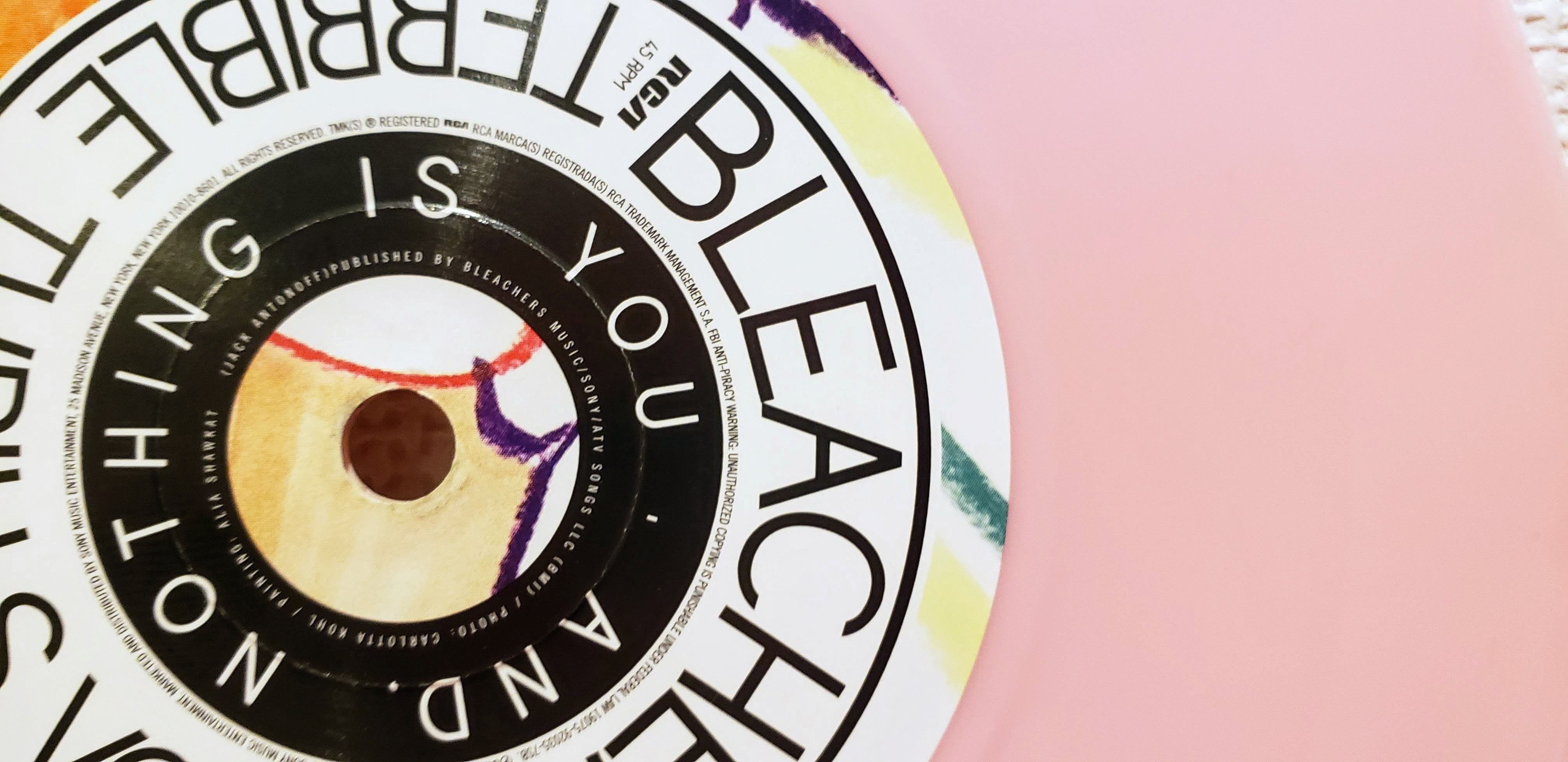
Bleachers
Foreign Girls (featuring Ani DiFranco)
And, Nothing Is You
And here we are, the final chapter of Bleachers’ Terrible Thrills Vol. 3. This one brings us a reworking of “Foreign Girls” that features folk rock legend Ani DiFranco, as well as “And, Nothing Is You”  which is a remix of “Nothing Is U” that removes most of the electronic effects from the original and replaces them with more acoustic orchestrations.  Both of these new versions feel like more low-key, intimate versions of the originals. While the album versions both started quiet but then built themselves up to grandiose, bombastic finales, these versions both stay sedate for their entirety. I don’t think either surpass the originals (I like my bombastic pop songs) but they’re still great, and DiFranco’s contributions to the new version of “Foreign Girls” are fantastic.

Like before, I have cleaned these up digitally to remove as many imperfections, scratches and other issues as possible. I also gave both a slight loudness boost. If you load the first track into an audio editor, you’ll notice that the very top of the waveform at the loudest part is clipped off just a little bit, but I can’t imagine that it’s clipped to a degree where anyone could hear a problem with it. If anyone does pick up any audio problems with these though, please let me know and I’ll do my best to fix them. I think they came out pretty great.

As fun and exciting as Terrible Thrills Vol. 3 has been, if Jack decides to do this again for his next album, I hope he forgoes the “record club” format for something a bit more accessible. As I mentioned last time, I had to delay uploading the second volume for nearly a month because my copy came to me completely scratched. That’s not fun. I get the appeal of something like this; it gives the music an emotional value that you don’t get from a stream or digital-only copy. But vinyl is intrinsically an unkind format that is easily damaged and incredibly inconvenient. And while it’s (relatively) easy for me to rip vinyl cuts to a digital format so I can rock them on my MP3 player, not everyone is so lucky. Music should be easy to listen to, don’t you think so? At least the cuts were on standard records that preserved the recording quality relatively well, and Jack didn’t go the Joyful Noise route, saving exclusive cuts for shitty flexi-discs or other novelty formats (seriously, fuck that label).

Anyways Jack, if you’re reading this, maybe for the next series you could try bringing back CDs, the most underrated of formats. It’s only a matter of time before CD nostalgia kicks in, might as well get ahead of the curve!

Just don’t put it on tape. If you put it on tape I swear to god…

So yeah, enjoy the rips everyone! And if you missed the earlier releases in the series, you can find part one here, and parts two and three here!

Game Music for Depression

Friday, June 21st, 2019

Sorry for the prolonged absence this month. You see, what had happened was, after I put up three posts in one week, I was planning on taking a week off from writing. After that, I got ridiculously sick and could barely sit up in front of a computer, let alone compose rational thoughts about obscure music. So there went another week. Then just this week I was planning on getting something together when…well, some bad things happened that made writing a complete impossibility. To be totally honest, said things are still on my brain quite a bit, so tonight’s post is more of a forced attempt to get back into writing something, anything, than it is an attempt to put something cohesive and well-researched together. Sorry about that.

One downside (for me anyways) regarding my blog’s slow shift to even more obscure music is that it requires a hell of a lot more research. Gone are the days of me just throwing a bunch of Depeche Mode remixes up and saying some variation of “yo Depeche Mode is dope so check these out!” Gotta plan this shit out now. I mean, usually I do. Sometimes I can just dig out some random video game remixes from a CD no one has ever even heard of and call it a night. I knew I was holding onto these tracks for a reason!


Namco
Xevious (Beat Mix)
Xevious (Tekno Mix)
Namco In The 80’s (You’re The One For Me)

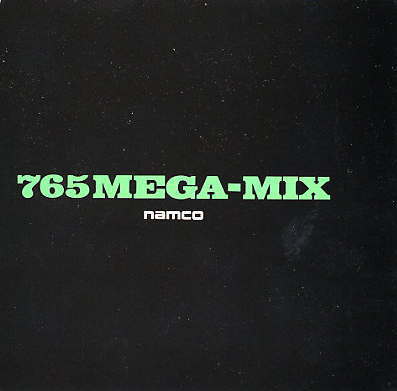
These three mixes are from a remix album that I bought a few months ago called 765 Mega-Mix. Why the numerical designation? I have no idea.

The album features six remixes of game music from Namco titles. About half of them are from games I’ve never heard of (if you’re curious as to what those titles are, click here). I bought it for the two remixes to the Xevious theme. Game music fanatics reading this probably know that Xevious is an important title in the history of game music, as a remix of the game’s theme by Hosono Haruomi of YMO was one of the first prominent game music releases in Japan.

These are not additional mixes by Hosono. Instead they are done by one Koji Orihara, who is best known for…well…nothing. Absolutely nothing. Dude’s Discogs page is a near-blank. He’s on a couple of other compilations and that’s it. I dunno, maybe his uncle worked at Namco or something. His mixes are good though, Orihara knew that it was best to leave well-enough along, so on both of his takes on the track he lets that memorable melody play over and over, and instead of replacing it, augments it with game effects and some good beats. Gimme more remixes to the theme from Xevious, gimme 2 LPs worth. I want them all.

Even more fun is “Namco In The 80’s.” As the title suggests, this track is a medley of music from 80s Namco titles. Specifically, it features (in order) Galaga, Pac-Man, Rally-X, Dig Dug, Mappy, and Galpus. Sometimes the remixes are bare-bones (the Galaga remix is literally just the game’s music with a beat tacked on behind it) but others rework and remake the songs more. The Pac-Man section is pretty rad. It’s not “Pac-Man Fever” rad, but hey, what is?

Again, apologies for the bare-bones slap-dash post tonight. Hopefully I’ll be up to writing more soon. And even if I’m not, I’ll be sharing the final volume of that Bleachers set the millisecond I get it. So I guess that’ll motivate me if nothing else will. Yinz take care of each other and hug your loved ones if you haven’t already, okay?

A Rare Zelda Theme Remix (and more)

Friday, May 31st, 2019

It must be said that 1986 was a hell of a year for video game music. According to the VGMdb, only one game music album came out the year prior; The Return of Video Game Music. In 1986, nearly 40 records and singles with some connection to video games were released. That’s nearly one a week.

Some stone-cold game music classics came out that year. The first GMO releases with music by companies like Capcom, Namco, Sega, and Nintendo all went to shelves in 1986. Same for the Dragon Quest Suite, the first commercially released LP featuring a symphonic arrangement of a game music soundtrack.

Those are in-demand titles by game music collectors, but at least most of them have been re-issued at some point. For example, you can pick up CD copies of Famicom Music relatively affordably online (and I suggest you do, that’s a fantastic album).

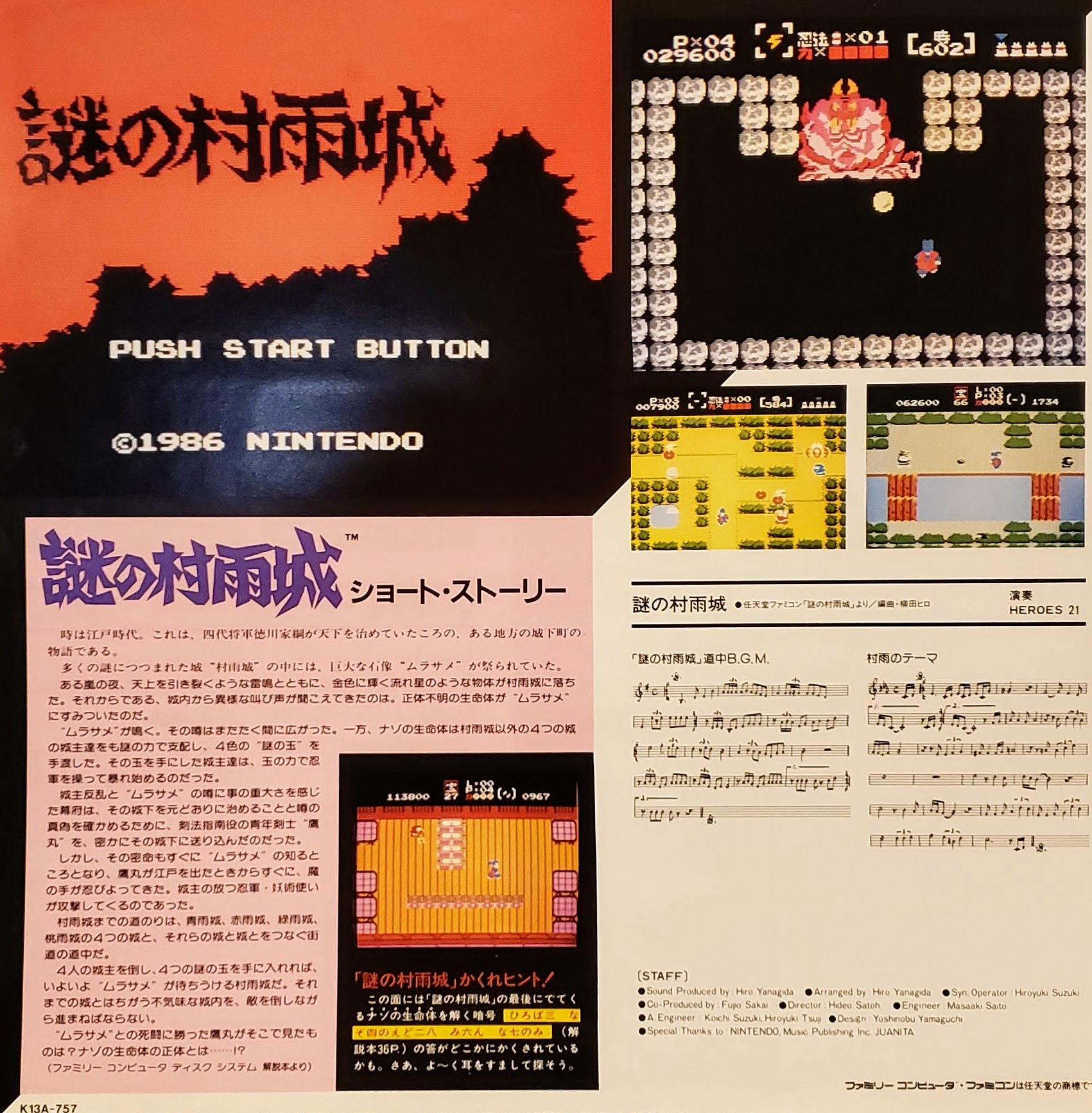
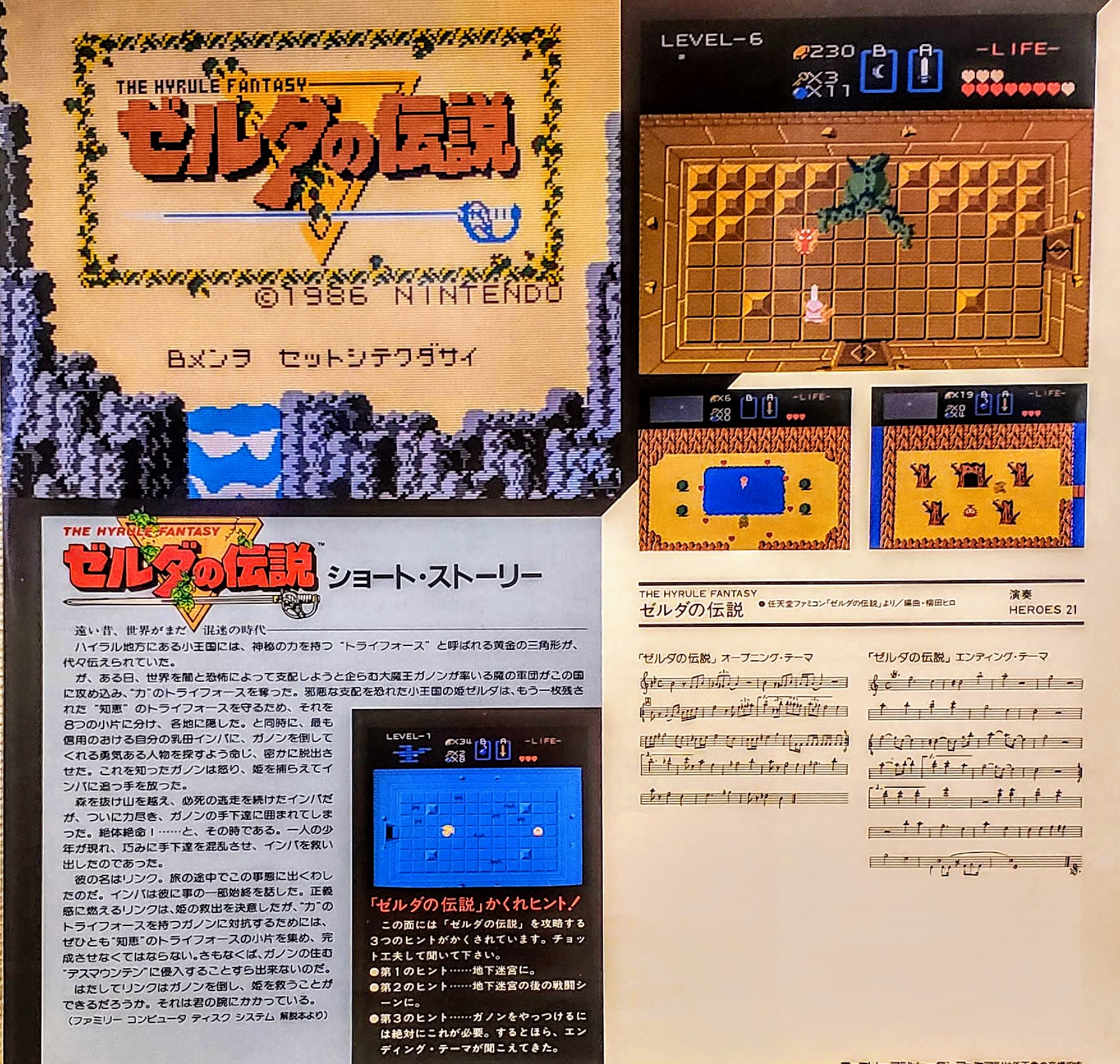
But a lot of key titles from 1986 remain out-of-print and command insane prices online. One such title is this.

Heroes 21
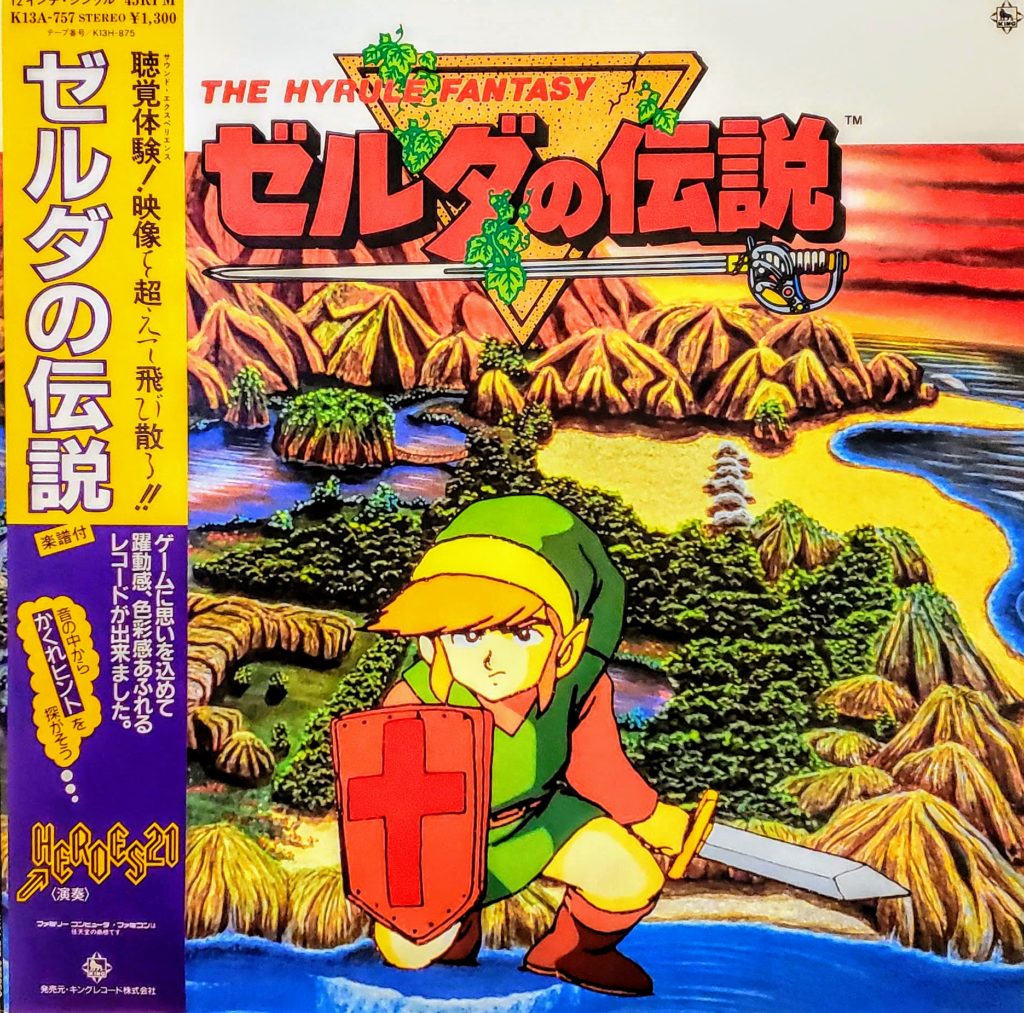
ゼルダの伝説 (The Legend Of Zelda)
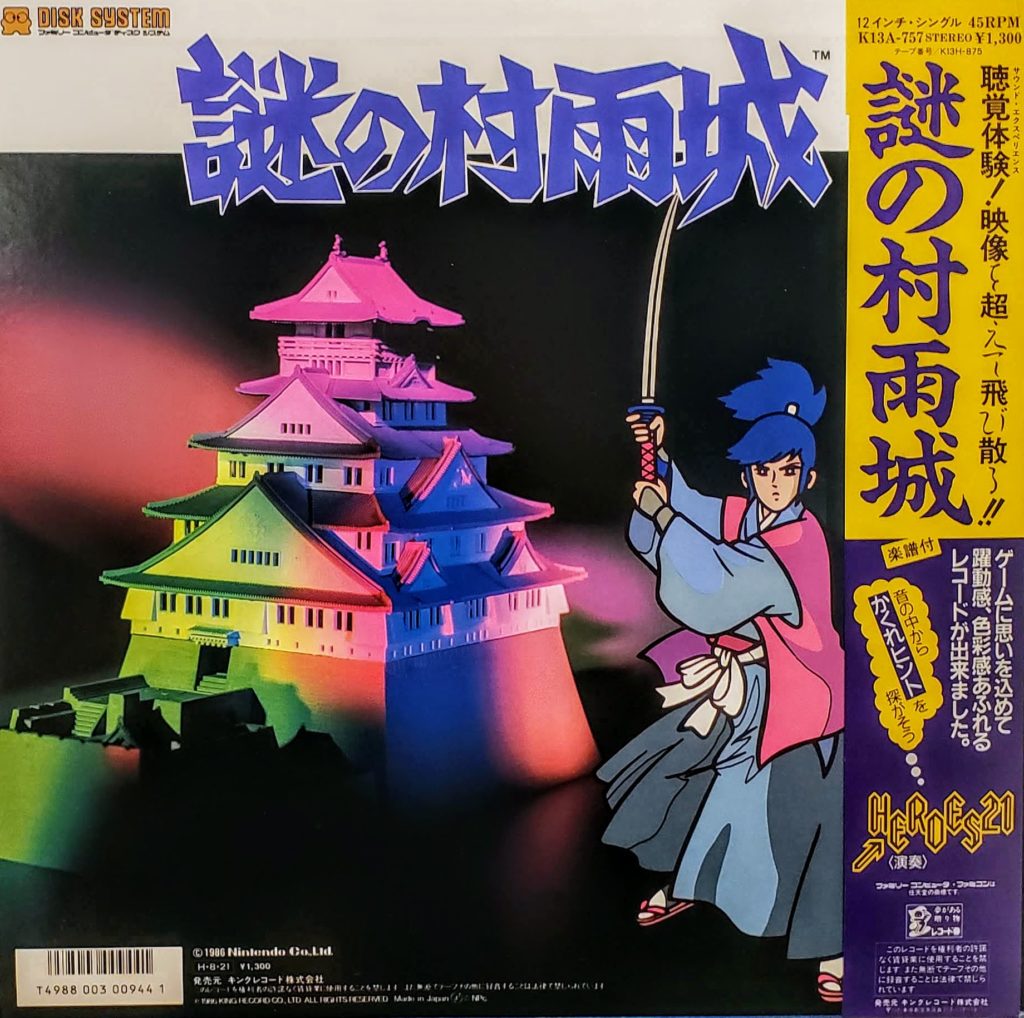
謎の村雨城 (The Mysterious Murasame Castle)

This is a two-track 12″ single. The A-side, as you can guess from the image above, features an extended remix of the theme to The Legend Of Zelda. The B-side features a mix of music from The Mysterious Murasame Castle. There is also a 7″ single with the same cover art and tracklisting, but that does not have the same music. The versions on that sound absolutely nothing like the ones here. The 7″ arrangements are more traditional, while these are wacky sample-heavy and much more experimental. They sound like Art of Noise by the way of Koji Kondo.

Speaking of Koji Kondo….

Every source I could about this record credited Koji Kondo as the performer on the album. Even on Discogs and the VGMdb. This is not true. Yes, the two tracks on this album are both based on music by Koji Kondo, but it would appear that he had absolutely nothing to do with this release. The actual performers are someone or something called Heroes 21. Their name is right there on the Obi strip, with the kanji for “performed by” (演奏) right under them. But that fact was somehow lost to time.

So, that begs the question, who the hell is/are Heroes 21?

At first, I thought that they might be the same people who were behind Bonus 21, the group credited on the the equally hard-to-find Mario Syndrome release that also came out in 1986. The title treatment of both artists is identical, and both releases are from King Records.

However, when I compared the credits on each release, I saw that only two people appear on both, and they’re both engineers. The arrangers on both albums are different. Mario Syndrome was arranged by Shunji Inoue (currently the VP of Bandai Namco). This single was arranged by Hiro Yanagida, the keyboardist for the influential Japanese rock group The Apryl Fool who went on to a mildly successful solo career as a prog rock musician.

Doing further research (again, thanks largely to the amazing resource that is the VGMdb) I found that King Records also released a Solomon’s Key/Mighty Bomb Jack single in 1986. That release is credited to Replica 21. The arranger on that is Yoichiro Yoshikawa, a composer who put out a few albums and also worked with Togawa Jun, writing the music on her signature classic, “Suki Suki Daisuki.”

So all the artists are completely unrelated. Perhaps “_____ 21” was some kind of branding effort by King Records to lump all of their game music artists together? There’s so little information out there about these records, even less so in English, that it’s hard to say. I don’t think King Records kept the “21” formatting going in future releases either, so who knows what the deal was.

Even without the mysterious branding, these are must-have mixes for any game music aficionado. As I said, they’re really out-there, very indicative of what was happening with electronic pop music at the time. Samplers were a big deal when they came out, so there were a lot of tracks like this at the time, stuff composed almost entirely of samples. If you dig this, I recommend checking out Yellow Magic Orchestra’s Technodelic and Ryuichi Sakamoto’s Furturista, both are great albums built almost entirely out of samples.

And keep checking here to see if I ever score a copy of the 7″ version! Like I said, it’s totally different!